

A Global Celebration of Space
World Space Week is an annual international observance proclaimed by the United Nations to celebrate the contributions of space science and technology to the human condition.. Its dates commemorate two pivotal moments in space history: the launch of Sputnik
1, the first human-made satellite, on October 4, 1957, and the signing of the Outer Space Treaty on October 10, 1967.. Each year, the World Space Week Association, in coordination with the UN, selects a theme to unify the thousands of events that take place in over 100 countries, making it the largest annual space event on Earth..
What is 'The Rocket Revolution'?
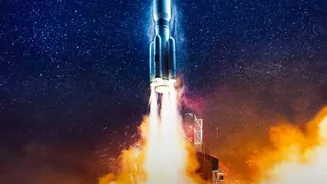
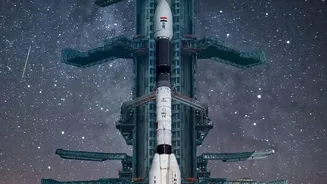
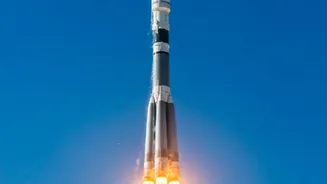
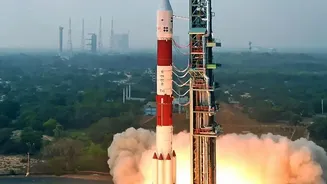
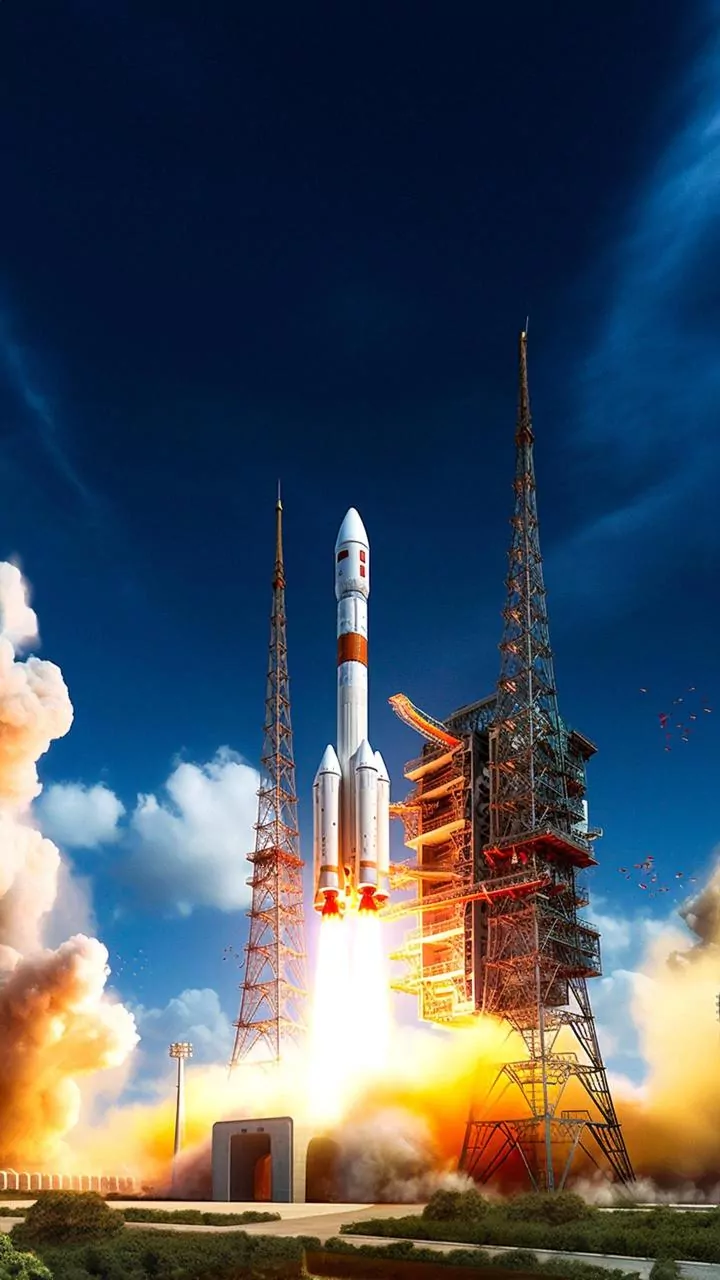
The 2026 theme, 'Rocket Revolution', focuses on the dramatic transformation in how we access space.. For decades, space launches were the exclusive domain of a few government agencies. Today, that is rapidly changing. The revolution is about more than just building bigger rockets; it encompasses reusable launch systems that drastically cut costs, the increased frequency of launches, and the rise of commercial spaceflight.. This shift is democratising access to orbit, enabling startups, universities, and more nations to participate in space activities.. It’s a move from discarding a rocket after one use to treating it more like an airliner, a paradigm shift that accelerates everything from scientific research to services we use daily, like weather forecasting and high-speed communications..
How India Is Celebrating
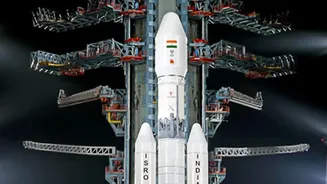
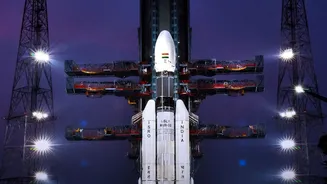
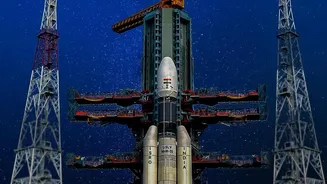
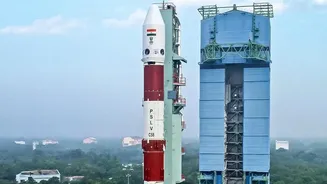
Across India, the 'Rocket Revolution' is being celebrated with a host of activities designed to engage the public, especially students. The Indian Space Research Organisation (ISRO) is leading the charge, with its centres in Thiruvananthapuram—the Vikram Sarabhai Space Centre (VSSC), Liquid Propulsion Systems Centre (LPSC), and others—organising a week of events.. These include interactive lectures by ISRO scientists for students across Kerala, a special 'Your Space' program for students to present ideas, and a public outreach event at the Kerala State Science and Technology Museum.. Universities are also joining in, with institutions like Chandigarh University and Sethu Institute of Technology hosting competitions, workshops, and presentations focused on space technology and innovation..
A Theme That Fits India's Ambitions
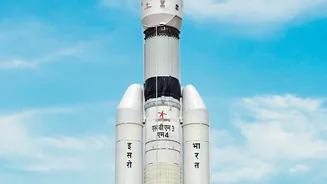
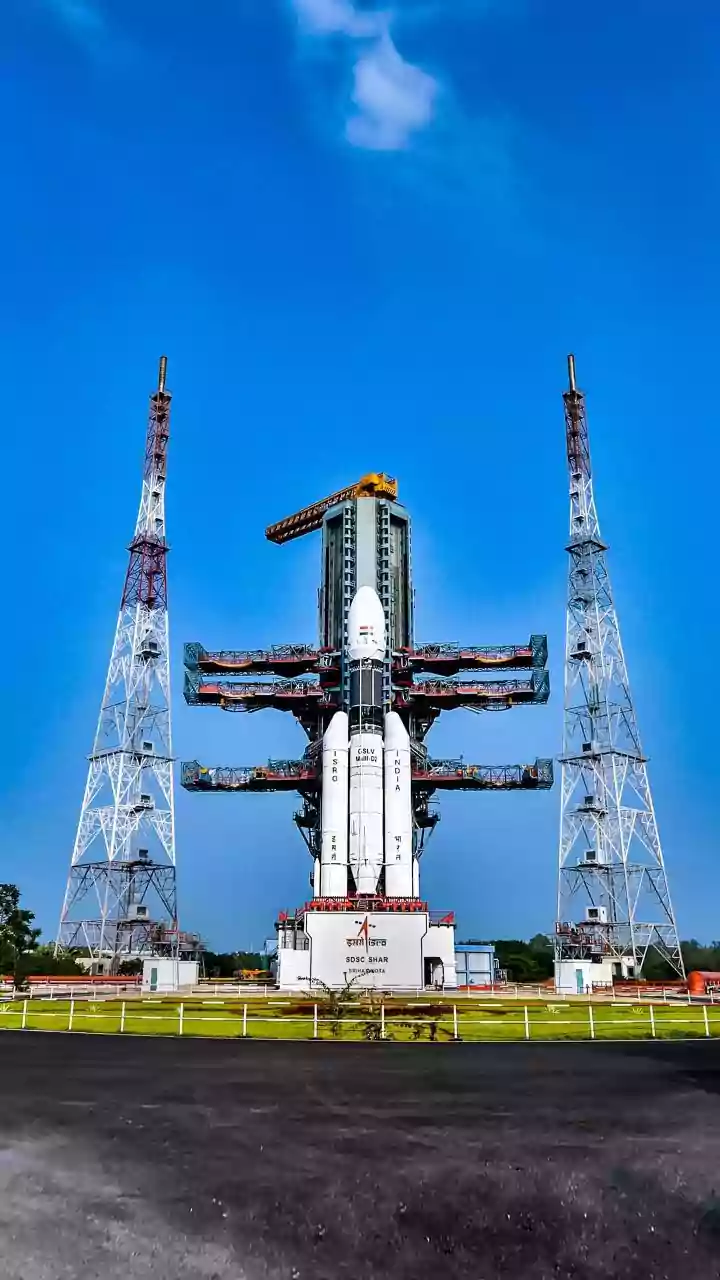
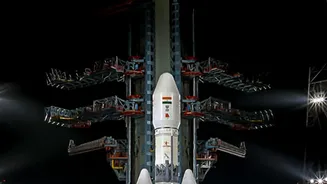
The 'Rocket Revolution' theme is particularly resonant for India. The nation's space program is in the midst of its own revolutionary leap. ISRO is not only focused on major missions like Gaganyaan, India's first human spaceflight, but is also developing critical technologies for next-generation launch systems. This includes work on reusable launch vehicles (RLVs) and semi-cryogenic engines, which are key to making space access more affordable and sustainable. The theme aligns perfectly with India's goal to significantly increase its launch cadence, with aims for as many as 50 launches annually.. This requires a robust and innovative launch capability, which is precisely what the rocket revolution is all about.
The Rise of Private Players
A crucial part of India's rocket revolution is the emergence of a vibrant private space sector. Since the sector was opened to private participation in 2020, over 400 space startups have emerged.. Companies like Skyroot Aerospace, which has already successfully launched a private rocket, and Agnikul Cosmos are developing their own launch vehicles, once a feat only ISRO could achieve.. This surge in private activity is a core component of the government's strategy to expand India's share of the global space economy from around 2% to a projected 8-10%.. With new policies, liberalised FDI, and support from bodies like IN-SPACe, these private players are set to handle more routine manufacturing and launch services, freeing ISRO to focus on advanced research and deep space exploration..