




The Problem of 'Analogue' Paneer
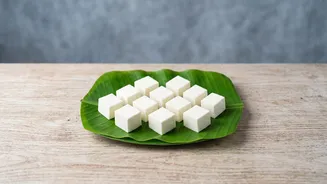
In recent years, a growing concern for consumers and food safety authorities has been the rise of 'analogue' or imitation paneer. Unlike traditional paneer, which is a fresh cheese made by curdling milk, these lookalikes are often produced using cheaper
ingredients like vegetable oils (such as palm oil), starch, milk powder, and various emulsifiers. While selling analogue products is not illegal, the problem arises when they are deceptively sold as genuine paneer, misleading customers at markets, restaurants, and catering services. The primary motivation for this is cost-cutting, as milk is significantly more expensive than vegetable fats. This practice not only deceives buyers but also raises nutritional and health concerns, as these imitation products lack the protein and calcium of real paneer and may contain unhealthy trans fats.
FSSAI’s Push for Transparency
To tackle this issue, the FSSAI has proposed the Food Safety and Standards (Prohibition and Restrictions on Sales) Amendment Regulations, 2026. The core of the proposal is simple: a product not made from milk constituents cannot use the term 'paneer'. Under these draft rules, any product currently licensed or sold under the 'Analogue in Dairy Context' category must stop using the word 'paneer' on its packaging, marketing materials, or menu cards. This extends to hotels, restaurants, and caterers, who will be required to clearly disclose when they are using a paneer substitute. The move is designed to ensure consumers know exactly what they are buying and eating, empowering them to make informed choices based on accurate information. The FSSAI has invited suggestions and objections from the public before finalizing the regulations.
Real vs. Fake: How to Spot the Difference
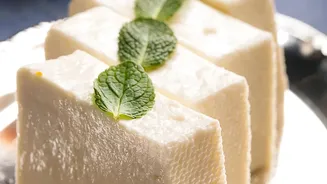
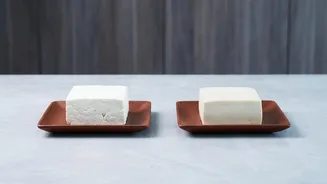
While regulators work on enforcing clearer labels, consumers can learn to identify real paneer from its imitations. There are several simple tests you can perform at home or even at the store. Real paneer has a soft, moist, and slightly crumbly texture, while fake paneer often feels rubbery, dense, or unnaturally smooth. Genuine paneer will have a mild, milky aroma; a chemical or sour smell is a red flag. Another easy check is the crumble test: real paneer should crumble easily when rubbed, whereas an analogue version might feel sticky or stretchy. You can also perform a simple iodine test by boiling a small piece of paneer and adding a few drops of iodine solution. If it turns blue or black, it indicates the presence of starch, a common additive in fake paneer.
Health and Nutritional Concerns
The difference between real and analogue paneer goes beyond taste and texture; it has significant health implications. Authentic paneer is a rich source of protein and calcium. Analogue versions, made with vegetable oils, are often nutritionally inferior, offering lower protein content while being higher in unhealthy fats and carbohydrates. Some vegetable fats used can be high in trans fats, which are known to raise bad cholesterol levels and increase the risk of heart disease. Furthermore, the consumption of adulterated or synthetic paneer can lead to digestive issues like bloating, stomach cramps, and long-term health risks if non-food-grade chemicals are used. By choosing genuine paneer, you are not just getting better flavour but also ensuring you receive the nutritional benefits you expect from a dairy product.