



The Allure of the Thermometer
In the world of home composting, the long-stemmed thermometer is often seen as a must-have. It promises a scientific window into the heart of your pile, telling you if you’ve reached the coveted 'hot' phase. This is the thermophilic stage, typically between
55–65°C, where decomposition happens fastest and weed seeds or pathogens are effectively killed off. Monitoring this heat can be satisfying and informative, confirming that the microorganisms are hard at work. But for the average home composter, is it truly necessary? The short answer is no. While a thermometer provides precise data, it doesn’t tell the whole story. A pile that doesn’t reach high temperatures can still produce beautiful, nutrient-rich compost—it will just happen more slowly. Rather than relying on a single number, a more holistic and intuitive approach often yields better, more consistent results.
Your Nose Knows Best: Decoding Smells
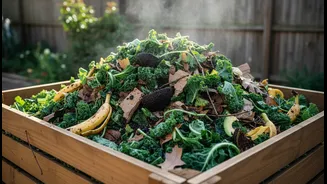
One of the most reliable indicators of compost health is its aroma. A healthy, well-balanced compost pile should smell pleasant and earthy, like a forest floor after a fresh rain. This scent signifies that aerobic microbes (the oxygen-loving good guys) are thriving. When your pile smells off, it's sending a clear signal that something is wrong. An ammonia-like smell indicates an excess of nitrogen-rich 'green' materials, like kitchen scraps or fresh grass clippings. A smell of rotten eggs or sour vinegar points to anaerobic conditions, meaning the pile is too wet and compacted, suffocating the beneficial microbes. Both problems are easily fixed. If you smell ammonia, simply mix in more carbon-rich 'brown' materials like dried leaves, shredded cardboard, or sawdust. If it smells rotten, turn the pile thoroughly to introduce air and add dry, bulky browns to absorb excess moisture.
A Hands-On Feel for Texture
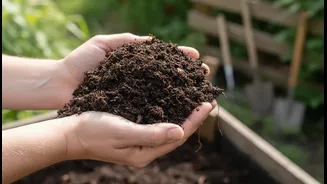
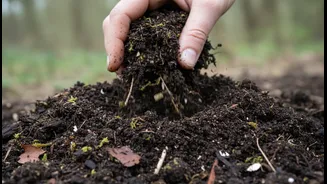
The way your compost feels is just as important as how it smells. The ideal moisture level for a compost pile is between 40 and 60 percent, which feels like a wrung-out sponge. Grab a handful and give it a firm squeeze. If a few drops of water come out, your moisture level is perfect. If water streams out, the pile is too wet, which can lead to those smelly anaerobic conditions. If the handful feels dry and crumbly and doesn't hold its shape, it’s too dry, and the decomposition process will slow down or stop altogether. To fix a soggy pile, add more dry 'browns' and turn it to improve aeration. For a dry pile, the solution is as simple as adding water. Use a watering can or hose to lightly moisten the materials as you turn them, ensuring the moisture is evenly distributed throughout.
What Healthy Compost Looks Like
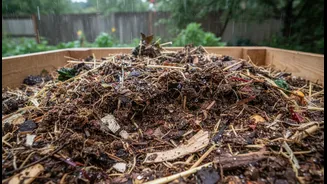
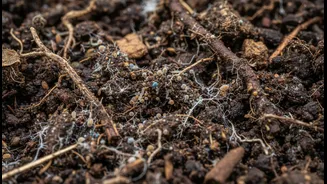
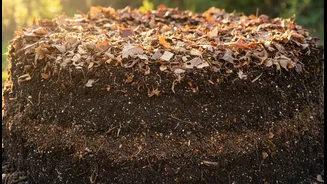
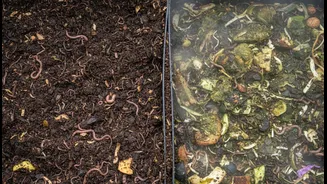
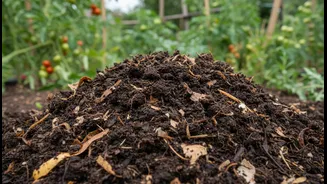
As your compost matures, its appearance provides further clues. Finished compost should be dark, rich, and crumbly, resembling good topsoil. You should no longer be able to identify the original materials you added, like vegetable peels or leaves. However, seeing tougher, fibrous items like the 'skeletons' of plants is a positive sign that the softer tissues have been broken down. Another excellent indicator of a healthy ecosystem is the presence of life. Seeing plenty of earthworms, mites, and other beneficial insects means you have created a welcoming environment for the organisms that do the heavy lifting of decomposition. If your pile looks static, stays light in colour, or has no visible signs of life, it may be stalled due to being too dry, too small, or having an imbalanced mix of materials.
Putting It All Together: A Sensory Checklist
Instead of relying on a single temperature reading, get into the habit of performing a quick sensory check every week or so. Start by assessing the smell: is it earthy and pleasant? If not, diagnose the off-smell and take action. Next, reach in and feel the texture: does it feel like a damp sponge? If it’s too wet or too dry, make the necessary adjustments. Finally, give it a good look: is it getting darker and breaking down? Are there worms and bugs present? By consistently using your senses to monitor the pile, you develop a deeper understanding of the composting process. This intuitive connection allows you to respond to your compost's needs in real-time, guiding it toward becoming the 'black gold' your garden craves, no thermometer required.