





The Vegan Baker's Secret Weapon: The Flax Egg
One of the most remarkable uses for flaxseed is as an egg substitute in baking, a staple for many vegan bakers. A 'flax egg' is incredibly simple to make: just mix one tablespoon of ground flaxseed with three tablespoons of water. Let the mixture sit
for about 5 to 15 minutes until it thickens to a gel-like, goopy consistency similar to a beaten egg. This mixture works wonders as a binder in recipes like muffins, pancakes, cookies, and quick breads. While it provides binding properties, it won't create the same lift as a real egg, so it's best used in recipes that don't rely on eggs for structure, such as dense brownies or chewy cookies. For best results, use freshly ground flaxseed and ensure it's well-mixed with the water.
Breakfast Boost: Beyond a Simple Topping
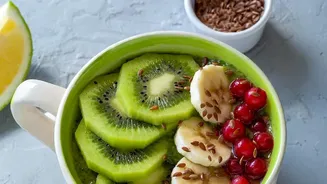
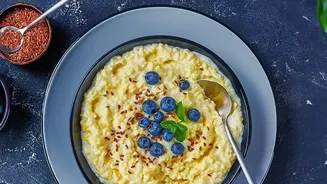
While sprinkling ground flaxseed over cereal or yoghurt is a great start, you can integrate it more deeply into your morning meal. Stir a couple of tablespoons of ground flaxseed into your pancake or waffle batter. It adds a subtle nutty flavour and boosts the fibre content. You can also mix it into hot oatmeal as it cooks, making it creamier and more filling. For a grab-and-go option, add ground flax to your favourite smoothie. It thickens the texture and adds a dose of healthy omega-3 fatty acids and protein without significantly altering the taste. If you're a fan of overnight oats, flaxseed is a perfect addition, helping to create a thick, pudding-like consistency.
Savoury Surprises: Crackers, Wraps, and Breading
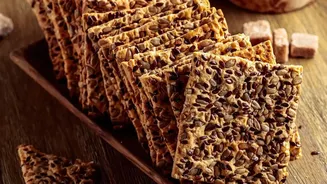
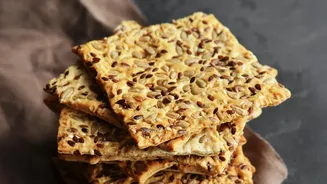
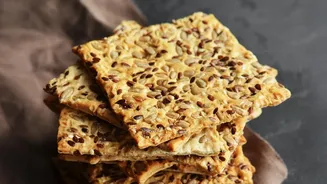
Flaxseed’s talents extend far beyond sweet treats. It can be the star of many savoury dishes. Homemade flaxseed crackers are surprisingly easy to make, often requiring just ground flaxseed, water, and seasonings. After mixing, the 'dough' is spread thinly on a baking sheet and baked until crisp. These crackers are naturally gluten-free and packed with fibre. You can also create flexible, plant-based wraps using a dough made primarily from ground flaxseed and water, which are perfect for filling with vegetables and proteins. For another savoury twist, add ground flaxseed to the breading for chicken or fish to add extra nutrients and a satisfying crunch. It also works as a binder in veggie burgers or meatballs, helping to hold them together.
Better Baking with Batters and Doughs
Incorporating ground flaxseed directly into your flour mixes for bread, muffins, and other baked goods is an easy way to enhance their nutritional profile. Because flaxseed is highly absorbent, you may need to add a little extra liquid to your recipe to maintain the right moisture level. Generally, adding a few tablespoons is enough to provide benefits without drastically changing the recipe's outcome. In addition to boosting fibre and omega-3s, flaxseed can help create a more tender and moist crumb in baked goods like quick breads and muffins. It can even be used to replace some of the fat in a recipe. The general rule is to substitute one tablespoon of oil or butter with three tablespoons of ground flaxseed mixed with water.
The Ground Rules: Whole vs. Milled Flaxseed
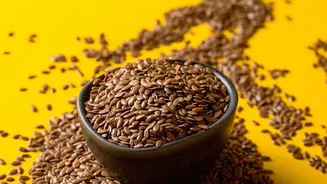
To get the most out of flaxseed, it's important to use it in the right form. While whole flaxseeds look great sprinkled on top of bread, your body can't easily break down their tough outer shells. This means the valuable nutrients inside, like omega-3 fatty acids, pass through your system largely undigested. For this reason, most recipes and nutrition experts recommend using ground (or milled) flaxseed. You can buy it pre-ground, or you can grind whole seeds yourself in a coffee grinder or blender for maximum freshness. If you grind your own, do it in small batches and store any extra in an airtight container in the fridge or freezer to protect the delicate oils from going rancid.