




What is Ethanol Blending and Why Is India Doing It?
India's Ethanol Blended Petrol (EBP) Programme is a cornerstone of its energy strategy. The goal is to mix ethanol, a biofuel typically made from sugarcane or maize, with petrol. This serves several key national interests. Firstly, it enhances energy security.
With India importing nearly 85% of its crude oil, blending domestically produced ethanol reduces dependence on volatile global markets and saves valuable foreign exchange. Secondly, it supports farmers by creating a large, stable market for crops like sugarcane, boosting rural incomes. Finally, it's an environmental measure. Ethanol burns more cleanly than pure petrol, which helps lower greenhouse gas emissions and contributes to India's climate goals. The government aggressively pursued this policy, achieving its 20% blending (E20) target in 2025, five years ahead of the original 2030 schedule.
The Rise of E20 and Consumer Concerns
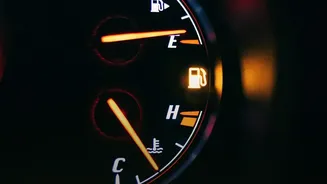
The nationwide rollout of E20 petrol as the default option has been met with a mixed response. While the government highlights the policy's strategic benefits, many vehicle owners have raised concerns. The primary complaint revolves around a noticeable drop in mileage. Because ethanol has a lower energy density than petrol, a vehicle needs to burn more fuel to cover the same distance. Government officials, including Transport Minister Nitin Gadkari, have acknowledged that E20 can reduce fuel efficiency by 2% to 6%, depending on the vehicle's age and type. Beyond mileage, there are worries about the impact on older vehicles. Many cars and two-wheelers manufactured before 2023 were designed for E10 (10% ethanol) fuel. The corrosive nature of higher ethanol concentrations can potentially degrade rubber and plastic components in the fuel systems of these non-compliant vehicles over time.
Why the Debate for a Lower-Ethanol Option?
The headline of this article reflects the core of the current situation: the debate is very much alive. The central issue is not about rolling back the E20 mandate entirely, but about reintroducing a lower-blend option, like E10, alongside it. This discussion is primarily driven by the concerns of owners of older vehicles, who feel they have no choice but to use a fuel that may not be optimal for their engines. In late August 2026, the Chairman of Bharat Petroleum Corp Ltd (BPCL) clarified that while there's no decision to replace E20, discussions are happening about making E10 available for these older cars and bikes. The logistical challenge, however, is significant. Supplying an additional fuel grade across India's vast distribution network would require substantial investment and create complexities for oil marketing companies.
Industry and Government's Balancing Act
The automotive industry is in a delicate position. The Society of Indian Automobile Manufacturers (SIAM) has publicly reiterated its full support for the government's E20 program. However, behind the scenes, there have been technical discussions about fuel quality and its impact on vehicle components. In August 2026, a communication from SIAM to the petroleum ministry about potential fuel contamination and component failures was reported in the media, which SIAM later withdrew, stating the figures required further validation. This incident highlighted the sensitivity of the issue. The government, for its part, maintains that extensive testing by institutions like the Automotive Research Association of India (ARAI) and Indian Oil Corporation (IOCL) has shown no evidence of widespread engine failure due to E20. Officials have stressed that the benefits of energy security and farmer income outweigh the manageable drop in mileage.