
What Happened on August 26?
On the morning of August 26, 2026, a massive section of a mountain high on the Nepal-Tibet border gave way. Scientists analysing satellite imagery and seismic data believe a huge portion of a glacier, along with the bedrock beneath it, collapsed. The
event was so powerful that it registered as a seismic event equivalent to a magnitude 5.2 earthquake. This colossal avalanche of ice and rock plunged into the valley below, transforming into a fast-moving, destructive wall of water, mud, and debris. The torrent surged down the Lhende Khola, a tributary that feeds into the Bhote Koshi and Trishuli river systems, wiping out homes, bridges, and hydropower plants with little warning.
The Science of a Mountain Failure
This was not a typical landslide. Experts point towards a more insidious cause: long-term climate change. The Himalayas, home to the world’s “Third Pole,” are warming faster than the global average. This accelerated warming melts glaciers and, crucially, thaws the permafrost—the frozen ground that acts like glue, holding steep mountain faces together. As this frozen layer degrades, the structural integrity of the mountains weakens, making them far more susceptible to sudden, massive failures like the one that occurred. Scientists have warned that such events are becoming more frequent as global temperatures rise, destabilising the very architecture of the world's highest mountains.
A New Threat: The Barrier Lake
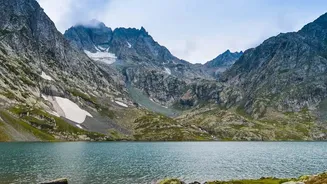
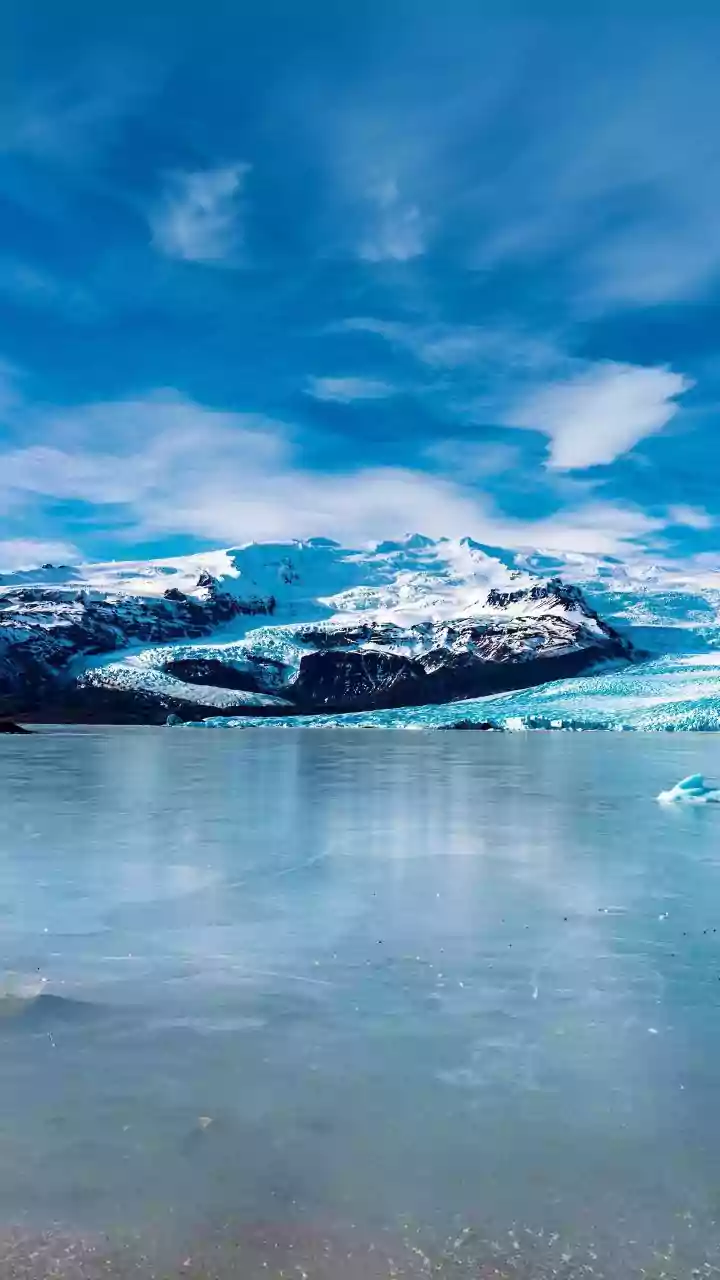
In the aftermath of the initial deluge, satellite imagery has revealed a new and pressing danger. The debris from the massive avalanche has dammed the river flow high in the mountains, creating at least two new glacial lakes. These are known as barrier lakes, or moraine-dammed lakes. They are held back not by solid rock, but by a loose, unstable mixture of soil, rock, and ice deposited by the collapse. This is the core of the new flood threat. While the initial flash flood was caused by the direct force of the avalanche, the next one could come from one of these newly formed lakes bursting its fragile dam.
Understanding Outburst Floods
The danger posed by these new lakes is known as a Glacial Lake Outburst Flood (GLOF). A GLOF happens when the unstable moraine dam fails. This can be triggered by several factors: rising water pressure, another landslide or avalanche crashing into the lake, or simply the natural erosion of the loose dam material. When the dam is breached, the lake can empty with terrifying speed, releasing millions of cubic metres of water in a destructive surge that is often more powerful than a normal river flood. This is why authorities in Nepal and downstream are on high alert; the new lakes are essentially ticking time bombs, and it is extremely difficult to predict when or if they might burst.
The Aftermath and The Way Forward
The human cost of the August 26 flood has been immense, with hundreds dead and thousands missing across Nepal and Tibet. Rescue and relief operations are underway, but they are hampered by the destruction of roads and bridges and the ongoing risk. Authorities issued fresh warnings as recently as August 30 after water levels in the Bhote Koshi rose again. The disaster highlights a critical need for enhanced monitoring of high-altitude glaciers and the development of more robust early-warning systems that can provide communities with precious minutes to evacuate. For India, the situation is also concerning, as the Trishuli river flows into the Gandak (Narayani) river, a major waterway in Bihar and Uttar Pradesh, making cross-border data sharing and preparedness essential.