







What is the New Timeline?
According to a memo from NASA Administrator Jared Isaacman, the Artemis III mission is running approximately 90 days behind schedule. Initially planned as the mission to land astronauts on the Moon, Artemis III was redesigned earlier in 2026 to be a demonstration
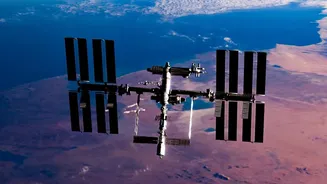
flight in low-Earth orbit, now targeted for 2027. During this mission, astronauts will test the Orion spacecraft’s rendezvous and docking capabilities with test versions of the Human Landing Systems (HLS) being developed by SpaceX and Blue Origin. This orbital test is considered a crucial risk-reduction step before attempting a landing. Isaacman stated that a launch in the summer of 2027 is now the best-case scenario, but stressed that the agency will only launch when it is fully ready.
The Hardware Hurdles
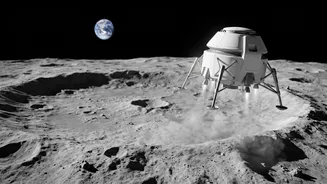
The delay isn't due to a single problem but a cascade of challenges across a complex supply chain. The primary drivers are the development schedules for the two commercial lunar landers—SpaceX's Starship and Blue Origin's Blue Moon. These sophisticated vehicles are essential for the program, but their development has been slower than hoped. Beyond the landers, NASA is also facing delays with other critical hardware, including valves and actuators for the Space Launch System (SLS) rocket and components for the Orion spacecraft. Even the new-generation spacesuits, being built by Axiom Space, are on a tight schedule with little room for error to be ready for an eventual landing. NASA is now intervening directly with suppliers to get delayed components back on track.
The Impact on a 2028 Landing
The slip for Artemis III has a direct and significant impact on the goal of landing astronauts on the lunar surface in 2028. That landing is now planned for the Artemis IV mission. The 2028 target has been NASA's stated goal for some time, representing not just a single mission but the start of a sustained presence, with plans for at least one landing per year thereafter. The delay to the Artemis III test flight compresses the timeline for Artemis IV. Administrator Isaacman's memo acknowledged that the schedule pressure could mean NASA only gets one shot at a lunar landing in 2028, instead of the two missions the agency had hoped to launch that year. If the hardware from commercial partners isn't ready in time, the entire cadence of the program is threatened.
A New Space Race Heats Up
The delays are not happening in a vacuum. NASA leadership has increasingly framed the Artemis program within the context of a competitive race with China. China has a methodical and highly successful robotic lunar program, having already landed on the far side of the Moon and returned samples. The nation has publicly stated its goal of landing its own astronauts, or taikonauts, on the Moon by 2030. This geopolitical dimension adds pressure to NASA's timeline. The Artemis delays could tighten that race significantly, turning what once seemed a comfortable lead into a neck-and-neck contest. Administrator Isaacman noted in his memo that the pace of the lunar program carries strategic weight, emphasizing that “perpetuating the status quo is not an achievable strategy in this race.”