



The Familiar Comfort of Crowded Shores
There’s a reason why destinations like Udaipur’s Lake Pichola, Nainital, and the backwaters of Kerala are perennial favourites. They are beautiful, accessible, and offer a well-established tourism infrastructure with plentiful hotels, restaurants, and activities.
These places are easy to plan and execute. However, this popularity often comes at the cost of peace and personal space. During peak seasons, these iconic waterfronts can feel less like a tranquil retreat and more like a crowded marketplace, with long queues and a constant buzz of activity that can detract from the natural beauty you came to see.
The Allure of the Undiscovered Lake
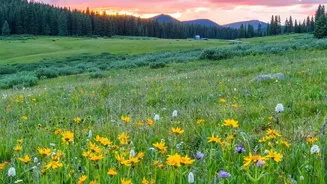
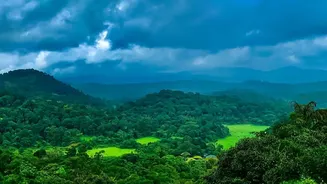
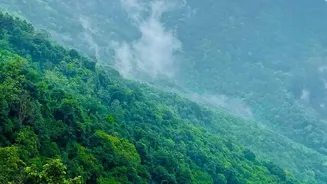
In contrast, India is dotted with countless lesser-known lakes that offer a completely different experience. Imagine a pristine, high-altitude lake with crystal-clear water reflecting snow-capped peaks, or a serene reservoir tucked away in a dense forest, with only the sound of birds for company. These hidden gems, from Sattal in Uttarakhand to Tso Moriri in Ladakh, promise solitude, vast open spaces, and an intimate connection with nature. They provide an escape from the commercialisation that often surrounds popular tourist spots, allowing for a more authentic and personal journey. For photographers, trekkers, and mindful explorers, the appeal is undeniable.
The Key Qualification: Trading Convenience for Quiet
Here lies the most important consideration for any aspiring quiet traveller: true serenity almost always involves a trade-off with convenience. The key qualification to keep in mind is that isolation and a lack of crowds usually mean a lack of modern amenities. Many of these tranquil spots are remote for a reason. The roads leading to them can be challenging and poorly maintained, requiring a sturdy vehicle or a multi-hour trek. Once there, you may find that mobile networks are weak or non-existent, ATMs are hours away, and food options are limited to what your homestay or a small local dhaba can provide. Accommodation is often basic, consisting of simple guesthouses, homestays, or campsites rather than luxury hotels. While places like Pangong Tso are stunning, they are at high altitudes requiring acclimatisation, and facilities remain minimal.
Planning for a Successful Remote Escape
Embracing a quiet lake getaway requires a shift in mindset from being a tourist to being a self-reliant traveller. The first step is thorough research. Understand the accessibility, especially if a trek is involved, like for Parashar Lake or Chembra Peak's heart-shaped lake. Permits may be required for sensitive areas, such as those near borders or in wildlife sanctuaries. Packing is crucial; carry sufficient cash, a first-aid kit, necessary medications, power banks, and some non-perishable snacks or meals. It's wise to book your stay in advance, as options can be limited. Most importantly, manage your expectations. Don't anticipate the polished service of a city hotel. Instead, embrace the simplicity, the potential for unexpected challenges, and the unparalleled reward of having a slice of paradise almost to yourself. The goal is not just to see a place, but to experience it on its own terms.
A Few Quiet Corners to Consider
If you're ready to make the trade-off, India has many options. In Himachal Pradesh, Parashar Lake offers spiritual calm, though reaching it requires either a dedicated drive or a trek. In Kerala, the trek to Chembra Peak in Wayanad reveals a stunning heart-shaped lake, Hridaya Saras, far from the bustling backwaters. In Mizoram, Tam Dil is a man-made lake surrounded by lush forest, offering a peaceful retreat largely untouched by mainstream tourism. And in Ladakh, for those willing to venture beyond the now-famous Pangong Tso, the more secluded Tso Moriri provides a similar high-altitude spectacle with fewer crowds. Each of these destinations offers immense beauty, but they all demand a degree of preparation and a spirit of adventure.