






Moving Beyond the Protein Obsession
Everywhere you look, protein is the star of the show. From social media influencers to food packaging, the message is clear: more protein is always better. This relentless focus has turned eating into a competitive sport, where we track grams and worry
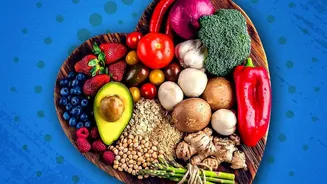
about hitting high targets. But this obsession often comes at a cost. When we fixate on one nutrient, we risk overlooking others that are just as crucial for our health, like fibre, complex carbohydrates, vitamins, and minerals. This narrow view can lead to a diet that is not only expensive but also unbalanced, potentially causing digestive issues and even straining our kidneys over time. True wellness isn’t about maximizing a single component; it’s about embracing a variety of whole foods.
The Humble Power of Pulses
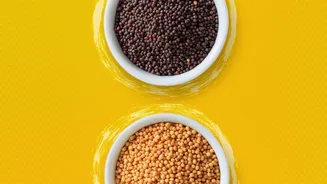
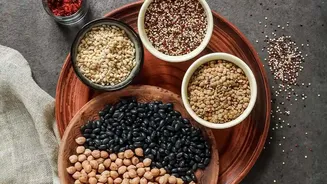
For generations, especially in India, pulses have been a cornerstone of daily meals. The term 'pulses' refers to the dried, edible seeds of legume plants—think of your everyday dal, chana, rajma, and moong. These are not a new health fad; they are foundational foods that have nourished populations for thousands of years. Far from being just a 'poor man's protein', pulses are a nutritional powerhouse celebrated in cuisines worldwide for their versatility and health benefits. By returning our focus to these staples, we can step away from the confusing and often stressful world of modern diet trends and ground our nutrition in something proven, affordable, and deeply familiar.
A Complete Nutritional Package
While pulses are indeed an excellent source of plant-based protein, that's only part of their story. A single serving delivers a powerful dose of dietary fibre, which is essential for good digestion, keeping you feeling full for longer, and maintaining stable blood sugar levels. This combination of protein and fibre is what makes pulses so satisfying and beneficial for weight management. But the benefits don’t stop there. They are packed with essential micronutrients like iron, folate, magnesium, and zinc. This makes them a comprehensive food that supports everything from heart health by helping to lower cholesterol to promoting bone health. Instead of isolating one nutrient, pulses offer a synergistic blend that supports overall well-being.
Good for You and the Planet
Choosing to eat more pulses is also a powerful act of environmental stewardship. Compared to animal proteins, pulses have a remarkably low environmental footprint. They are incredibly water-efficient; for example, producing a kilogram of lentils requires a fraction of the water needed for a kilogram of beef. Furthermore, pulses have a unique ability to 'fix' nitrogen in the soil. This natural process enriches the soil, reducing the need for chemical fertilizers and making the land more fertile for future crops. In an era where sustainable choices are more important than ever, incorporating more pulses into your diet is a simple way to eat healthily while also caring for the planet.
Making Pulses a Daily Delight
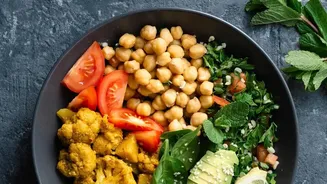
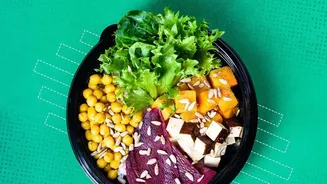
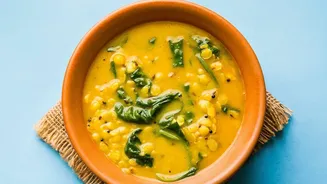
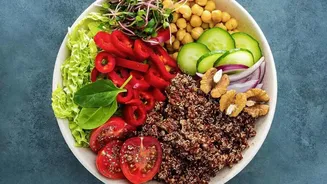
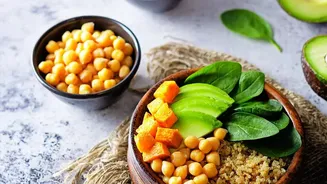
Integrating more pulses into your diet doesn’t require a radical overhaul. In fact, you're likely eating them already. The key is to be more intentional. Start by aiming for at least one pulse-based meal a day. This could be a comforting bowl of masoor dal, a hearty rajma curry, or a simple chana salad. You can also get creative by adding lentils to your vegetable soups to make them more filling, or swapping some of the meat in a dish for a can of chickpeas or kidney beans. Using besan (chickpea flour) for pancakes or snacks is another fantastic way to boost your intake. By exploring the sheer variety of pulses and the countless ways to prepare them, you’ll find that eating a balanced diet is not only easy but also delicious.