



The Global Ambition Meets Local Reality
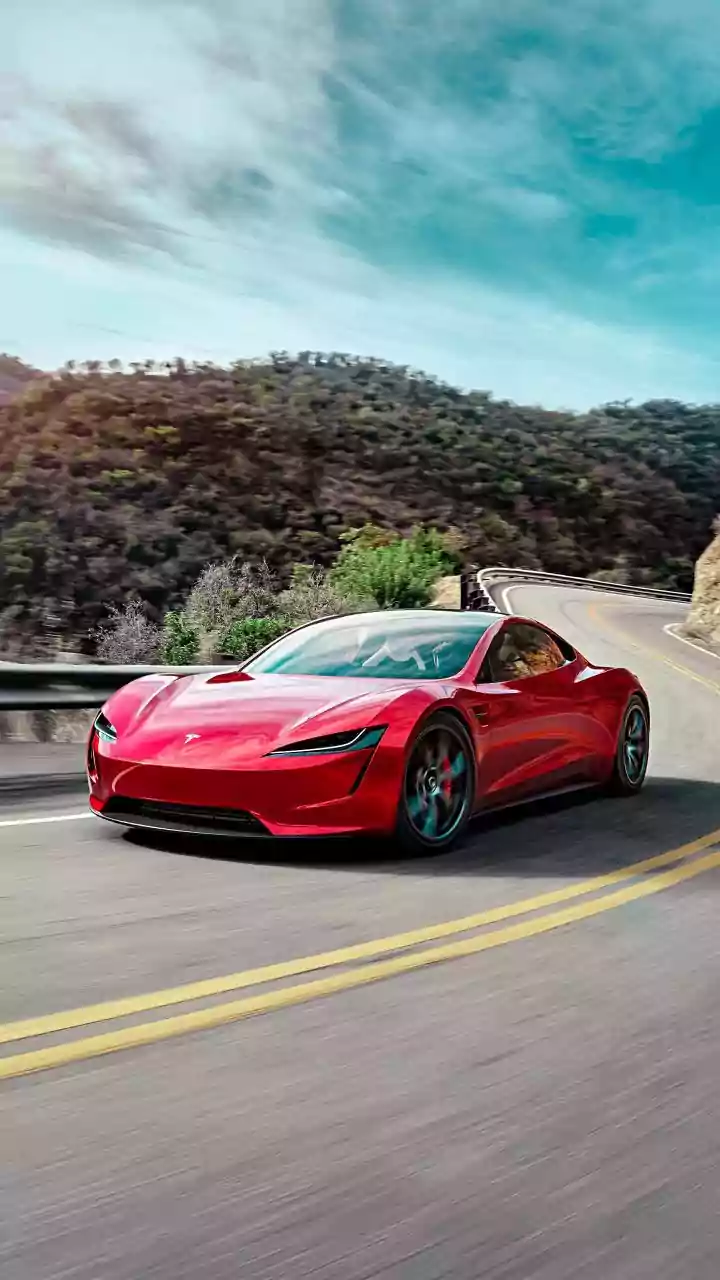
For years, Tesla's entry into the Indian market has been a topic of intense speculation. The country, with its massive population and growing economy, represents one of the last major untapped markets for the electric vehicle giant. At the heart of Tesla's brand
is the promise of a self-driving future, powered by its advanced neural network. However, the systems trained on the relatively orderly roads of North America and Europe are now facing their most formidable challenge: the Indian street. The question is not just whether a Tesla can drive in India, but whether the very concept of autonomous driving as we know it can adapt to such a dynamic environment.
A Symphony of Unpredictable Traffic
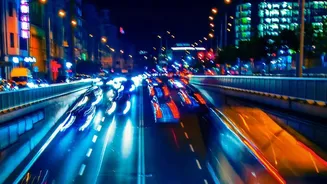
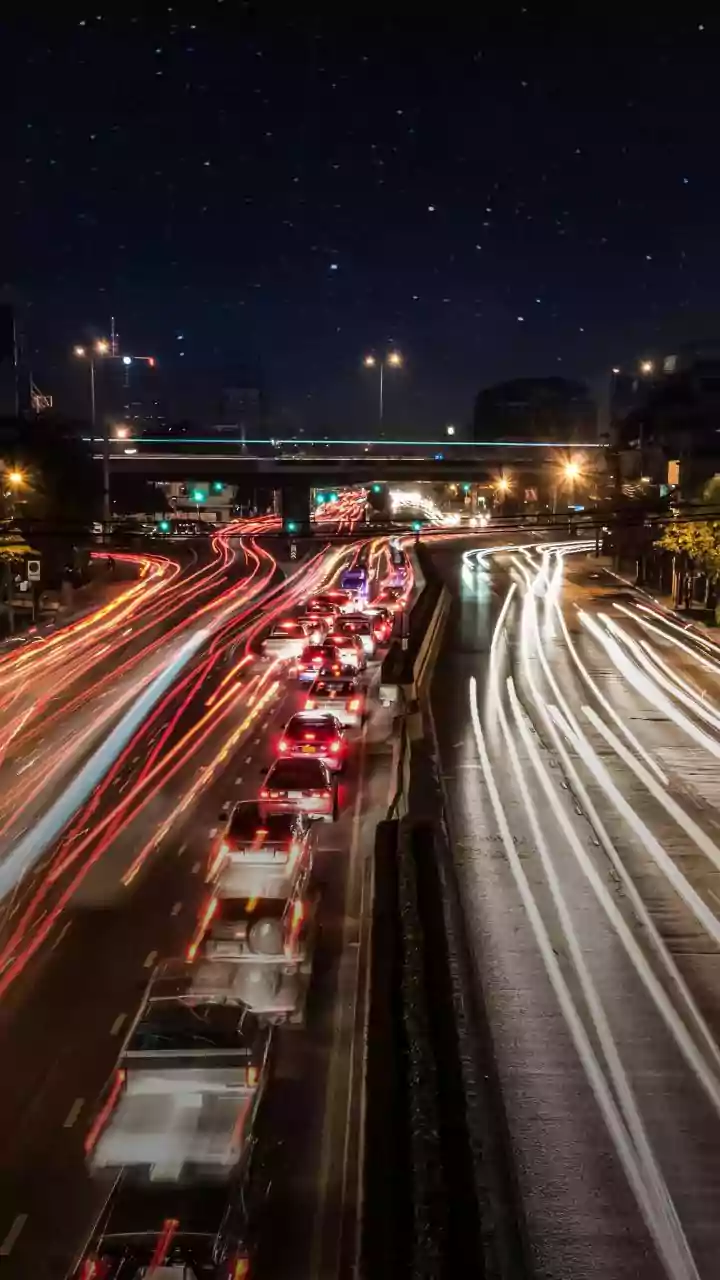
The primary hurdle for any autonomous system in India is the sheer heterogeneity of traffic. It's a complex ecosystem where cars, buses, and trucks share the road with a swarm of two-wheelers, auto-rickshaws, cyclists, and even animal-drawn carts. This mixed traffic doesn't follow the predictable, lane-based logic that FSD is built on. An auto-rickshaw might stop abruptly, a motorcycle may weave through a non-existent gap, and pedestrians often cross roads assuming that oncoming traffic will adjust. For an AI, these aren't just 'edge cases'; they are the norm. Each vehicle type moves with its own logic, creating a fluid and constantly changing environment that is difficult for current AI models to process reliably.
When Lane Lines Are Just a Suggestion
Tesla's vision-based system relies heavily on clear visual cues like lane markings and consistent signage to navigate. In many parts of India, these are either faded, non-existent, or simply ignored. Drivers create their own lanes in dense traffic, and road layouts can change dynamically due to everything from a pothole to a local wedding procession. Potholes, sudden construction debris, and inconsistent road surfaces add another layer of complexity that cameras must detect and navigate. During monsoon season, heavy rains can reduce visibility and flood roads, further degrading the performance of vision-only systems and making navigation even more treacherous.
The Unwritten Rules of the Road
Perhaps the most significant challenge is the human element. Driving in India is a social activity governed by an unwritten language of communication. A slight hand gesture, a specific pattern of honking, or brief eye contact at an intersection can convey complex intentions like 'go ahead,' 'I'm turning,' or 'wait.' These are subtle, intuitive cues that human drivers understand but which are nearly impossible for an AI to interpret. Tesla's FSD is programmed to follow strict traffic laws, but on Indian roads, survival often depends on bending those rules and reacting to the informal social contract between drivers. This gap between codified law and real-world practice is where an autonomous system can falter.
Can the AI Learn to be Indian?
For Tesla to succeed, its AI must be retrained extensively on local data. The company would need to collect millions of kilometers of driving data from Indian cities to teach its neural network to recognise and predict the unique behaviours of local vehicles and pedestrians. This is a monumental task, as the system would need to learn to anticipate a far higher degree of unpredictability than it has ever encountered. Furthermore, regulatory hurdles remain significant. The Indian government has expressed concerns about job losses for drivers and has yet to establish a legal framework for autonomous vehicles. While some see the potential for improved safety, public trust is low, and many are skeptical about handing control over to an algorithm in such a chaotic environment.