

What Exactly is Gochujang?
Step into any Asian market and you'll likely see tubs of a deep red, thick paste. That's gochujang, a cornerstone of Korean cuisine. It’s a fermented condiment made from red chili powder (gochugaru), glutinous rice, fermented soybean powder, and salt.
Unlike one-note hot sauces that just bring the heat, gochujang offers a symphony of flavors. It’s spicy, but also has a subtle sweetness from the rice and a deep, savory umami flavor from the fermented soybeans. Think of it as a complex flavor bomb that adds incredible depth to anything it touches.
The Magic of Fermentation
The key to gochujang's unique taste is fermentation. The process, which traditionally took place over years in earthenware pots, develops a rich, pungent, and savory character that you simply can't get from a simple mix of chili and vinegar. The glutinous rice starches break down into sugars, providing a natural sweetness that balances the salt and chili heat. This depth of flavor is what makes it so much more than just a hot sauce; it’s an ingredient that builds layers of taste in marinades, stews, and dipping sauces.
A Perfect Partner for Tofu
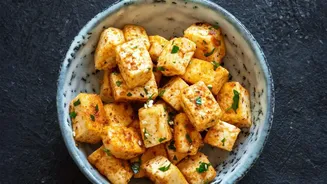
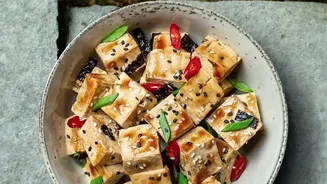
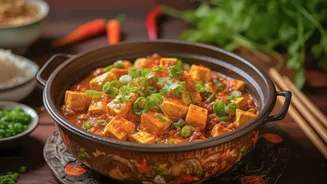
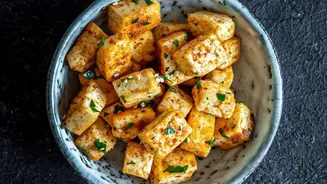
Tofu's greatest strength is its ability to act as a blank canvas, but that's also its weakness if not treated correctly. By itself, it can be plain. This is where gochujang shines. Its bold, multi-faceted flavor profile is exactly what a neutral protein like tofu needs to become the star of a dish. When used in a marinade, the paste clings to the tofu, infusing it with its spicy, sweet, and umami notes. As the tofu cooks, the sugars in the gochujang can caramelize slightly, creating an even more delicious and irresistible coating.
Building a Simple Gochujang Marinade
Creating a delicious marinade for your tofu is incredibly easy and doesn't require a long list of ingredients. The gochujang does most of the heavy lifting. A great starting point is to whisk together gochujang with a few other pantry staples. Try combining gochujang with soy sauce for saltiness, a touch of sesame oil for nutty aroma, minced garlic and ginger for fresh, aromatic spice, and a little sweetener like maple syrup or honey to round out the heat. This combination creates a balanced sauce that’s perfect for coating tofu before baking, air frying, or pan-frying.
Assembling the Perfect Rice Bowl
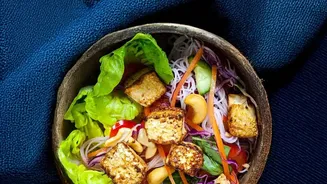
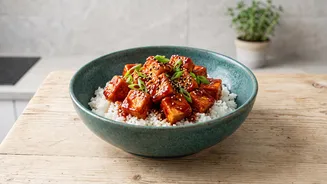
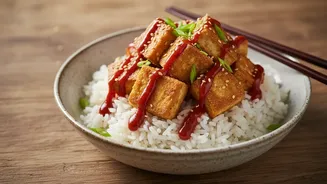
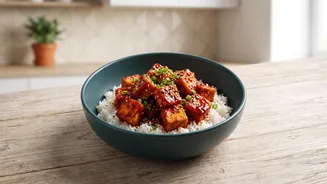
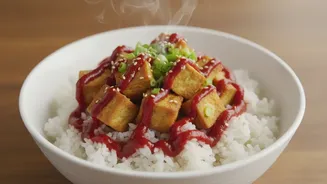
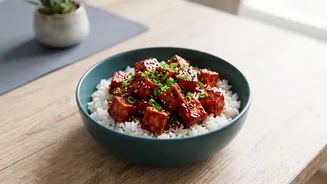
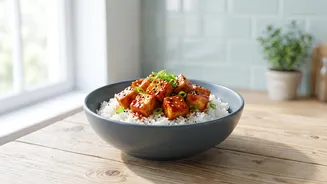
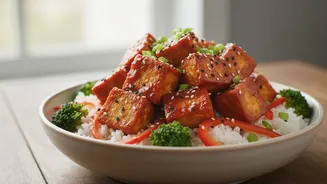
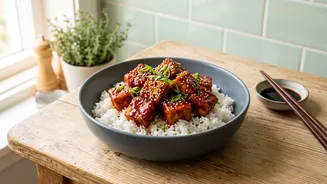
Once you have your flavour-packed gochujang tofu, building a satisfying rice bowl is all about balance. Start with a bed of fluffy steamed rice—brown or white rice both work well. Then, add your cooked tofu and surround it with complementary vegetables. The options are endless, but some great choices include steamed broccoli or bok choy, fresh carrot and cucumber ribbons, and edamame beans for an extra protein boost. For a touch of authentic Korean flair, add some kimchi for its tangy, fermented crunch. Garnish with a sprinkle of toasted sesame seeds and sliced green onions, and you have a complete, vibrant meal.