



The Undisputed Classic: Coconut Chutney
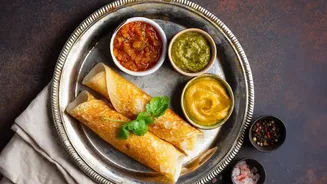
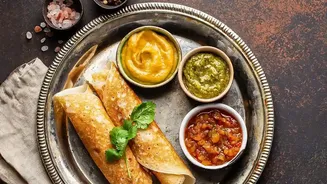
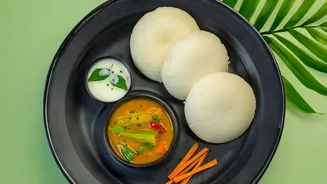
No discussion of breakfast chutneys can begin without paying respects to the king: the humble coconut chutney. A non-negotiable staple across South India, it’s the default partner for idli, dosa, vada, and uttapam. Reports in 2026 confirm its reign is unchallenged,
with its magic lying in its simplicity and freshness. Made from freshly grated coconut, green chillies, a touch of ginger, and often roasted chana dal for body, it's the tempering that makes it sing. The sound of mustard seeds, curry leaves, and urad dal crackling in hot oil before being poured over the freshly ground paste is a core memory in countless households and a signal that breakfast is ready. While countless variations exist—some with tamarind for tang, others with coriander for freshness—the pure, white, creamy version remains the benchmark against which all others are judged.
The Fiery Counterpart: Tomato and Onion Chutneys
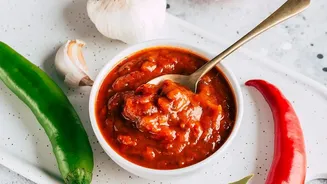
Where coconut chutney is cool and creamy, its red counterparts—made from tomato, onion, or a combination of both—bring the fire. Often called 'Kara Chutney' in Tamil Nadu, this category of condiment offers a spicy, tangy, and slightly sweet kick that beautifully contrasts with the fermented notes of dosa and idli batter. These chutneys are particularly popular in street-side stalls, where their vibrant colour and bold flavour stand out. The base usually involves sautéing onions and tomatoes with garlic and a generous amount of dried red chillies until soft and caramelised, then blending it all into a rich paste. Some versions incorporate peanuts or lentils to add texture and depth, making them a hearty and indispensable part of the South Indian breakfast platter.
The All-Rounder: Green Pudina-Dhania Chutney
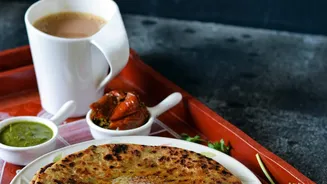
Moving north, the indispensable green chutney takes center stage. A vibrant blend of fresh mint (pudina) and coriander (dhania), this chutney is the ultimate all-rounder in the Indian culinary lexicon. While ubiquitous with snacks like samosas and chaat, it’s also a breakfast essential, served alongside parathas, bread pakora, and moong dal cheela. Its power lies in its invigorating freshness, which cuts through the richness of fried foods. The simple combination of herbs, green chillies, lemon juice, and sometimes ginger creates a flavour profile that is sharp, tangy, and cooling all at once. Recent trends see home cooks and chefs adding ingredients like yogurt for creaminess or amchur (dry mango powder) for extra tang, reinforcing its status as one of India's most adaptable and beloved condiments.
The Regional Star: Peanut Chutney
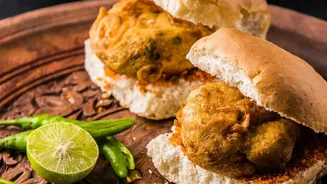
While coconut is dominant in the coastal south, peanut (or groundnut) chutney holds its own, especially in parts of Andhra Pradesh, Karnataka, and Maharashtra. Known as 'Shenga Chutney' in Karnataka or 'Palli Chutney' in Andhra, this condiment is celebrated for its rich, nutty flavour and creamy texture. It's typically made by roasting peanuts and blending them with red chillies, garlic, and tamarind. What makes it a current favourite is its accessibility and nutritional profile; it's packed with protein and healthy fats. Food writers in 2025 and 2026 have noted its rising popularity not just as a side for idli and dosa, but also as a versatile dip for everything from vada pav to sandwiches, showcasing a trend towards robust, protein-rich accompaniments.
The Modern Twist: Health-Forward Seed Chutneys
The latest narrative in the world of Indian chutneys is the rise of health-conscious variations. Responding to a growing wellness trend, food bloggers and nutritionists are popularising chutneys made from nutrient-dense seeds. One notable example gaining traction is chutney made from hemp seeds, praised for its anti-inflammatory properties and high protein content. Another popular choice is flaxseed chutney, which offers a toasty, nutty flavour along with a dose of omega-3s. These modern interpretations often blend traditional spice profiles with superfood ingredients, creating condiments that are not only flavourful but also functional. These chutneys, served with millets or multigrain dosas, reflect a broader shift in urban Indian breakfast habits towards more nutritious, mindful eating.