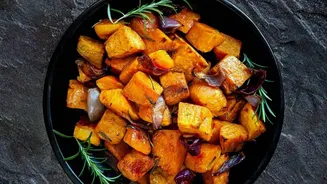

1. Sweet Potato (Shakarkandi)
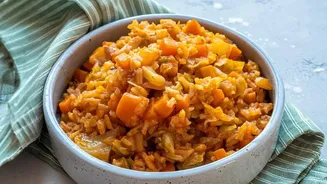
The sweet potato is a powerhouse of nutrition and flavour, making it a favourite in many Indian households. Its natural sweetness intensifies beautifully when cooked, lending itself to a variety of preparations. For roasting, simply cube it, toss with
olive oil, salt, and a dash of garam masala or chaat masala, and cook until tender and caramelised. When it comes to baking, its moist texture makes it an excellent base for healthier brownies or cakes. In curries, sweet potato adds a wonderful creamy texture and a subtle sweetness that balances spicier ingredients. It pairs exceptionally well with coconut milk-based gravies, creating a comforting and satisfying dish. Rich in Vitamin A and fibre, it is a healthy addition to any meal.
2. Beetroot (Chukandar)
Known for its vibrant colour and earthy taste, beetroot is more versatile than you might think. Roasting beetroots brings out their inherent sweetness, making them a delicious side dish on their own or a great addition to salads. For a simple roast, wrap them in foil and bake until fork-tender. For baking, pureed beetroot can be added to chocolate cake batters for extra moisture and a rich, deep colour. In the realm of curries, beetroot can be cubed and simmered in a spiced coconut milk base or grated into a yogurt sauce. Its earthy flavour complements bold Indian spices like cumin, coriander, and mustard seeds. Plus, beetroots are packed with essential nutrients and are known for their potential health benefits.
3. Carrot (Gajar)
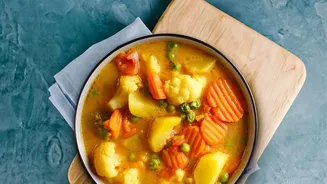
Carrots are a staple root vegetable in India, beloved for their sweet flavour and crunchy texture. While often enjoyed raw or in halwa, they are fantastic when cooked. Roasting carrots enhances their sweetness, and they pair wonderfully with herbs like thyme or Indian spices like cumin. They can be baked into savoury muffins or breads, adding moisture and a touch of sweetness. In curries, carrots hold their shape well and contribute a pleasant sweetness and vibrant colour. They work well in both dry sabzis and rich, gravy-based dishes alongside peas and potatoes. Carrots are famously rich in beta-carotene, which is essential for eye health, and provide a good amount of fibre.
4. Taro Root (Arbi)
Taro root, or arbi, has a unique starchy texture and a mild, nutty flavour. It's a popular ingredient in various regional Indian cuisines. When roasted or fried, arbi becomes wonderfully crispy on the outside and soft on the inside, often seasoned with ajwain (carom seeds) and amchur (dry mango powder) for a tangy kick. While not typically used in baking sweets, it can be boiled and mashed as a component in savoury baked patties or tikkis. Arbi shines in curries, where it can be prepared in a dry stir-fry style (Sukhi Arbi) or in a tangy yogurt or tomato-based gravy. It absorbs flavours well, making it a perfect vehicle for a blend of Indian spices. It is important to cook taro root thoroughly to avoid any throat irritation.
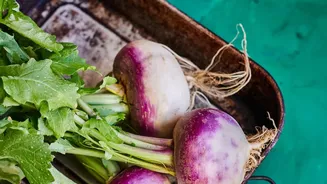
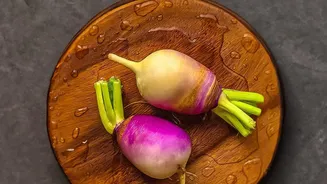
5. Turnip (Shalgam)
The turnip is a slightly peppery and sweet root vegetable that becomes tender and milder when cooked. Roasting helps to mellow its sharp flavour and brings out a subtle sweetness, making it a great companion for other root vegetables like carrots and potatoes. Turnips can also be baked, often mashed with butter and spices or included in a savoury vegetable bake. In Indian cooking, turnips are frequently used in curries and sabzis. A simple Shalgam Ki Sabji, where the turnip is cooked with onions, tomatoes, and spices, is a comforting and nutritious dish. Turnips are low in calories and a good source of Vitamin C and fibre, making them a healthy choice for a weeknight meal.