



Understanding the 'Raw Potato' Problem
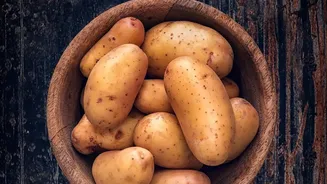
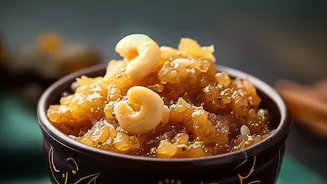
Aloo Halwa, a beloved sweet from Uttar Pradesh, is a staple during religious fasts (vrat) because it's both satisfying and energising. However, its primary ingredient, the potato, presents a unique challenge. Unlike carrots or gourds, potatoes have a distinct,
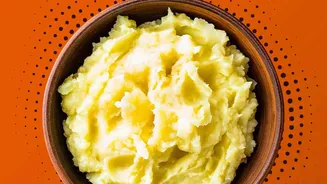
earthy flavour and a starchy texture that can sometimes translate into a slightly raw or 'kacha' note in the final dish. This happens when the potato isn't cooked down correctly, its starches don't fully break down, and its inherent vegetable taste isn't transformed. The result is a halwa that tastes more like a sweetened potato mash than a luxurious dessert. Many recipes try to mask this with extra sugar or ghee, but the most effective solution is not to cover the flavour, but to cook it out entirely.
The Secret: The Art of Patient 'Bhunai'
The single most important step to elevate your Aloo Halwa is the 'bhunai,' or the process of roasting the potatoes. This is where the magic happens. By slowly roasting the boiled and mashed or grated potatoes in ghee over a low to medium flame, you do more than just cook them. This patient sautéing process is crucial for evaporating all the excess moisture and, most importantly, cooking off that raw potato smell. As the potatoes roast, they undergo a transformation. The starches toast and develop a nutty aroma, the colour deepens to a beautiful golden brown, and the raw scent is replaced by the irresistible fragrance of ghee and toasted potato. This stage cannot be rushed. It requires constant stirring to prevent sticking and ensure even cooking.
Mastering the Roasting Technique
To achieve that perfect roast, start by heating a generous amount of desi ghee in a heavy-bottomed pan. Once the ghee is warm, add your boiled and mashed (or grated) potatoes. Keep the flame on low to medium and begin to stir. For the first few minutes, it might seem like the potato is just absorbing the ghee. Be patient. Continue stirring, pressing down with your spatula. After about 10-12 minutes, you will notice a change. The mixture will start to change colour and you'll smell a pleasant, nutty aroma. The true sign of success is when the halwa starts to pull away from the sides of the pan and the ghee begins to separate, leaving a glossy sheen on the surface. This indicates that the raw notes are gone and the potato is perfectly primed for the next steps.
Building the Perfect Halwa
Once you have successfully roasted the potatoes, the rest of the process is quick. With the mixture still on the heat, add your sugar. As the sugar melts, the halwa will become a bit runny at first. Continue to stir for a few more minutes until it thickens again. This is the time to introduce your flavourings. Pour in warm milk, perhaps infused with a few strands of saffron for colour and aroma. Add a pinch of cardamom powder, which beautifully complements the richness of the potato and ghee. Finally, stir in your choice of nuts—chopped almonds, cashews, and raisins are all excellent additions that provide a wonderful textural contrast to the smooth halwa. Cook for another minute until everything is well combined and the halwa has reached a thick, scoopable consistency.
Final Touches for a Flawless Finish
For the best texture, ensure your potatoes are boiled until very tender, then peeled and mashed or grated while still warm to avoid lumps. Using a heavy-bottomed or non-stick pan is highly recommended, as it distributes heat evenly and makes the constant stirring process much easier, preventing the halwa from scorching. Don't be shy with the ghee; it is essential not just for flavour but also for the roasting process itself—the more ghee, the tastier the halwa. Once cooked, serve the Aloo Halwa warm, garnished with extra slivered nuts and perhaps a few strands of saffron. The difference that patient roasting makes is undeniable, transforming a simple dish into a truly memorable dessert.