





The Science of the Stretch
Leather is a natural material, essentially a skin, composed of a complex web of tightly woven fibres. When you consistently overload your bag, the constant weight and tension cause these fibres to relax and stretch. Think of it like an elastic that has
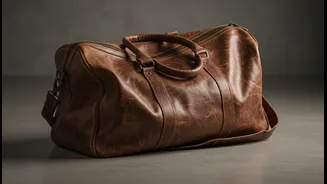
been pulled too far, too many times; it loses its ability to snap back. This process is accelerated at stress points, such as where handles are attached or at the base of the bag. Over time, this constant strain leads to permanent deformation—the leather sags, bulges, and loses its original, crisp silhouette. High-quality leather has a denser fibre structure and will resist stretching better than lower-grade leather, but no leather is completely immune to the effects of excessive weight.
How to Spot the Danger Signs
The damage from overloading doesn't happen overnight. It’s a gradual process, but there are early warning signs. Look for noticeable stretching or thinning on the shoulder straps or handles where they bear the most weight. You might see the bag’s base starting to droop or sag, creating a 'puddled' look, especially in larger totes. Another key indicator is strain around the hardware. If the leather where D-rings, buckles, or clasps are attached looks pulled or distorted, it’s a clear sign the bag is under too much stress. Catching these signs early gives you a chance to change your habits before the damage becomes irreversible.
The Cardinal Rule: Pack Light
The most effective way to prevent your leather bag from deforming is simple: don't overstuff it. Every bag has a natural limit, and consistently pushing past it will weaken its structure. Make a habit of performing a regular 'bag audit.' Empty your bag completely at the end of each day or week and assess what you truly need to carry. Remove non-essential items like old receipts, multiple pens, or that half-empty water bottle. For days when you need to carry a laptop, a change of shoes, and more, consider using a sturdier backpack designed for heavier loads, distributing the weight more evenly and saving your stylish leather bag from undue strain.
Smart Storage Maintains Shape
How you store your bag is just as important as how you carry it. Never hang a leather bag by its straps for long periods, as gravity will stretch the handles and deform the body of the bag. The best practice is to store it upright on a shelf. To help it maintain its shape, stuff the bag loosely with acid-free tissue paper, bubble wrap, or even old soft t-shirts. Never use newspaper, as the ink can transfer and stain the lining. Finally, keep your bag in a breathable dust bag (a cotton pillowcase also works) to protect it from dust and sunlight, which can cause the leather to dry out and fade. Avoid plastic bags, which can trap moisture and lead to mold.
Conditioning and Care for Resilience
Well-maintained leather is more resilient. Leather needs moisture to stay flexible, and regular conditioning prevents it from becoming dry, brittle, and prone to cracking. Think of leather conditioner as a moisturizer for your bag. Depending on your climate and how often you use the bag, conditioning it every 3 to 6 months is a good rule of thumb. Use a small amount of a conditioner made specifically for leather and apply it with a soft cloth in a circular motion. This keeps the fibres supple, helping the bag withstand daily use and resist minor stretching more effectively. Just be careful not to over-condition, as this can make the leather too soft and reduce its structural stiffness.
Can a Stretched Bag Be Saved?
Unfortunately, once leather has significantly stretched, it's very difficult, if not impossible, to shrink it back to its original shape. Prevention is far more effective than a cure. For minor sagging, using a structured bag insert or a base shaper can help restore the bag’s silhouette during use. If a strap has become dangerously thin or torn, it’s time to see a professional. A good leather repair shop or cobbler can often reinforce, shorten, or in some cases, replace a strap. For severe deformation of the bag’s body, however, the damage is typically permanent. The best approach is to treat your bag with care from day one.