





The King of Fruits Hits a Wall
For 18 long years, from 1989 to 2007, the world-famous Indian mango was conspicuously absent from American shelves. The reason wasn't a lack of demand but a formidable biosecurity barrier. The U.S. Department of Agriculture (USDA) had imposed a ban due
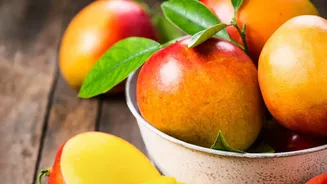
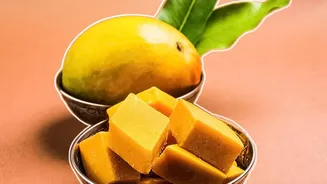
to concerns over pests like the Oriental fruit fly and the mango seed weevil. American authorities feared that these pests, if accidentally introduced, could devastate their domestic fruit industries, particularly in states like California and Florida. This meant that beloved varieties like the Alphonso and Kesar, celebrated in India for their unparalleled flavour and aroma, were forbidden fruit for American consumers and the large Indian diaspora longing for a taste of home.
A Sweet Tool of Diplomacy
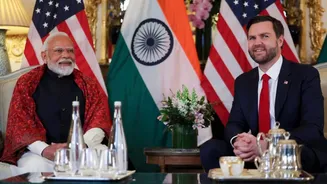
The mango has long been more than just a commercial crop in India; it's a centuries-old instrument of diplomacy. From Jawaharlal Nehru charming foreign dignitaries to modern-day embassy functions in Washington, the fruit has been a delicious cultural ambassador. The trade ban was therefore not just an economic issue but a matter of national pride. The breakthrough began to take shape during high-level diplomatic engagements. In a 2006 state visit to India, then-US President George W. Bush was served an Alphonso mango. His reported reaction—describing it as a "hell of a fruit"—became a legendary turning point in the negotiations. This personal endorsement helped elevate the issue, transforming the mango into a symbol of a strengthening India-US relationship.
The 'Mangoes for Motorcycles' Bargain
The path to lifting the ban was a classic example of trade negotiation: a tit-for-tat exchange. The agreement that emerged was often dubbed the "mangoes for motorcycles" deal. While India pushed for access to the lucrative US fruit market, the United States was keen on reducing tariffs to sell its iconic Harley-Davidson motorcycles in India. This reciprocal arrangement, part of a broader push to deepen economic ties that also included a landmark civil nuclear deal, illustrated how items of cultural significance could be used as leverage in complex foreign policy discussions. It showed that in the world of international trade, everything is connected.
The Scientific Solution: Irradiation
To resolve the pest concern, a scientific solution was required. Hot water treatment, used for mangoes from other regions, was found to damage the delicate Indian varieties. The answer came from India's own atomic research institutions: irradiation. This phytosanitary process involves exposing the packed mangoes to a controlled dose of gamma radiation from a Cobalt-60 source. The radiation neutralizes any pests by making them sterile, thus preventing them from reproducing and posing a threat to US agriculture. Crucially, the process does not affect the fruit's taste, texture, or safety. After extensive testing and certification of Indian facilities by US inspectors, the USDA approved irradiation as the official protocol, paving the way for exports to resume.
A Fruitful Partnership and Its Future
The first commercial shipment of Indian mangoes landed in the US in April 2007 to great anticipation. Since then, the trade has become a celebrated example of 'mango diplomacy'. The journey hasn't been without hiccups; trade was temporarily suspended during the COVID-19 pandemic when US inspectors were unable to travel to India. However, the framework was renewed, and trade has since flourished, with Indian consulates actively promoting varieties like Kesar to American consumers. The story of the mango trade deal is a powerful reminder of how food is interwoven with global politics, economics, and culture. It demonstrates that with a mix of persistent diplomacy, scientific innovation, and mutual interest, even the most challenging trade barriers can be overcome.