

Why Roasting Reigns Supreme
Steaming or boiling cauliflower can often result in a soft, sometimes bland, texture. Roasting, however, is a transformative process. The high, dry heat of the oven encourages caramelization, bringing out the vegetable's natural sugars. This creates a beautiful
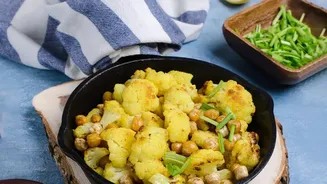
contrast: tender-on-the-inside florets with delightfully crispy, browned edges. The result is a richer, nuttier flavour profile that stands up well to bold seasonings. Furthermore, cauliflower acts like a sponge, readily absorbing the flavours of oils, spices, and herbs it's tossed with, making it an incredibly versatile canvas for culinary creativity. Roasting at a high temperature, typically between 400°F and 450°F (200°C to 230°C), is key to achieving that perfect texture and avoiding sogginess.
The Indian Approach: A Symphony of Spice
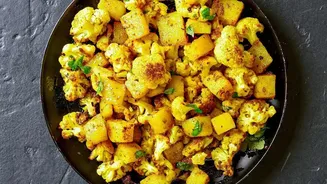
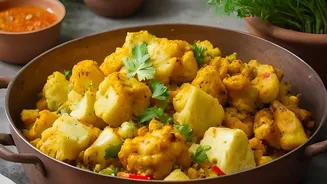
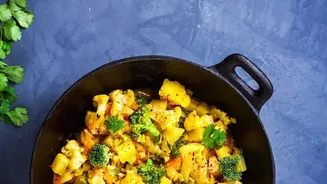
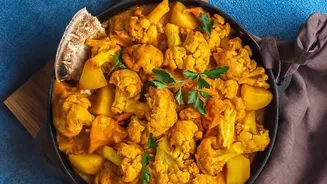
In Indian cuisine, cauliflower, or 'gobi', is a staple, and roasting it elevates classic dishes to new heights. The most iconic preparation is Tandoori Gobi, where florets are marinated in a thick mixture of yoghurt (curd), ginger-garlic paste, and a blend of aromatic spices like turmeric, red chilli powder, garam masala, and coriander powder. A touch of gram flour (besan) helps the marinade cling to the cauliflower during roasting, creating a flavourful crust. The result is a smoky, tangy, and deeply spiced appetiser or side dish that rivals its non-vegetarian counterparts. A simpler, yet equally flavourful, method involves tossing cauliflower florets in oil and a dry spice mix of cumin, coriander, and turmeric before roasting, then finishing with a squeeze of lemon juice and fresh cilantro.
A Trip to the Mediterranean
The Mediterranean style of roasting cauliflower is all about fresh, vibrant, and sun-kissed flavours. A generous drizzle of extra virgin olive oil, a squeeze of fresh lemon juice, and a handful of herbs form the base of this approach. Common seasonings include garlic, oregano, thyme, and sometimes a pinch of red pepper flakes for warmth. The cauliflower is roasted until tender and golden, then often tossed with other regional ingredients. Think briny Kalamata olives, creamy feta cheese, toasted pine nuts, and fresh mint for a dish that is both rustic and sophisticated. Another popular variation includes a creamy tahini sauce, often seasoned with lemon and garlic, drizzled over the roasted florets, sometimes with the addition of sweet dates and crunchy pistachios.
East Asian Influences: Umami and Edge
For a completely different flavour profile, East Asian-inspired recipes bring the magic of umami to roasted cauliflower. A common marinade or glaze combines ingredients like soy sauce (or tamari), nutty sesame oil, freshly grated ginger, and garlic. For a touch of heat and complexity, additions like gochujang, sriracha, or a Chinese chilli garlic sauce are often used. Some recipes introduce a hint of sweetness with honey or maple syrup to balance the savoury and spicy notes. Once roasted, the cauliflower is often garnished with a sprinkle of toasted sesame seeds and sliced green onions, creating a dish that is savoury, slightly sweet, and addictively delicious. This style works wonderfully as a side dish or can even be the star of a vegetarian meal.
Modern Twists and Serving Ideas
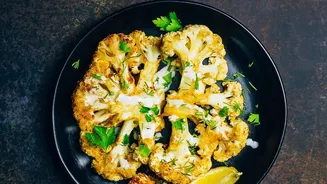
The versatility of roasted cauliflower doesn't stop with regional spice blends. One of the most popular modern preparations is the 'cauliflower steak,' where thick, cross-section slices of a whole cauliflower head are roasted and served as a main course. Roasting the cauliflower whole is another show-stopping approach; after a brief boil to soften it, the entire head is brushed with oil and roasted until the outside is crisp and the inside is buttery soft. Beyond being a side dish, roasted cauliflower is a fantastic addition to salads, grain bowls, and pasta dishes, adding texture and a deep, savoury flavour. You can even purée it to create a smoky, creamy soup base. The possibilities are truly endless, limited only by your spice rack and imagination.