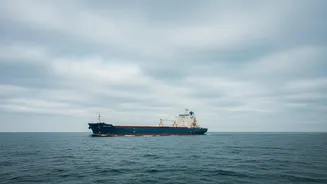







A Waterway on High Alert
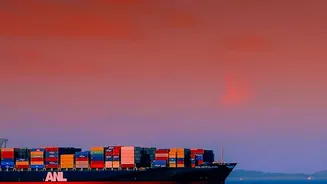
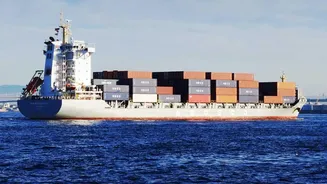
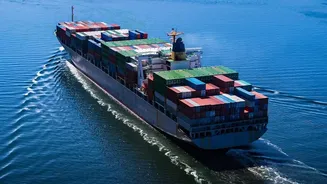
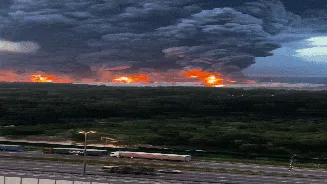
The Black Sea has become a key arena in the ongoing conflict, with recent weeks seeing a significant escalation. Both sides have intensified attacks on port infrastructure and commercial vessels. Russia has launched missile and drone strikes against major
Ukrainian ports like Odesa, while Ukraine has targeted Russian naval assets and oil tankers, disrupting traffic. This tit-for-tat escalation has effectively turned the region into a high-risk zone for civilian shipping. The tangible effects include sharply rising war-risk insurance premiums for vessels, which have doubled in some cases, adding hundreds of thousands of dollars to the cost of a single voyage. Consequently, some shipowners have suspended operations, reducing the flow of goods through this vital corridor.
The Global Breadbasket Feels the Squeeze
The Black Sea is often called the world's breadbasket for a reason. Russia and Ukraine are two of the largest wheat exporters globally, and their shipments are critical for global food security. The latest disruptions are choking this essential supply line. Ukraine, which ships over 90% of its agricultural goods through its Black Sea ports, has seen its export capacity significantly diminished. Some estimates suggest Ukraine's agricultural exports for the 2026-27 season could be cut by more than half, with wheat exports potentially falling by 53%. This squeeze on supply has an immediate impact on prices. In recent weeks, wheat prices have climbed by nearly 25% from their January 2026 levels, reaching two-year highs as markets react to the uncertainty. A recent diplomatic effort by Ukraine to secure a ceasefire for civilian ships was dismissed by Moscow, adding to market concerns.
Energy Markets Get Jolted
It isn't just grain; the Black Sea is also a vital artery for the global energy trade, particularly for shipments of crude oil and refined products from Russia and the surrounding region. Attacks on tankers and the Russian port of Novorossiysk, a major hub, have sent shockwaves through the oil markets. The increased risk has caused daily charter rates for oil tankers in the region to surge, in some cases more than doubling to over $400,000 a day. This 'risk premium' adds to the overall cost of oil before it even reaches its destination. Analysts warn that continued disruptions could reduce global crude oil tanker volumes, putting further pressure on an already challenged energy supply chain. This creates volatility not just for crude oil but also for products like diesel, impacting transportation and industry worldwide.
Why This Matters for India
The events unfolding thousands of kilometers away have a direct link to the budgets of Indian households. India is a major importer of edible oils, including sunflower oil, a significant portion of which has traditionally come from the Black Sea region. Disruptions there can lead to higher import costs and, ultimately, higher prices for cooking oil on local shelves. While India is largely self-sufficient in wheat, global price movements still have an influence. Higher international wheat prices can make imports more expensive for neighbouring countries, altering regional trade flows and indirectly affecting domestic price sentiment. The more immediate impact, however, comes from oil prices. As a nation heavily dependent on imported crude, any spike in global oil prices due to geopolitical tensions translates directly to higher prices for petrol and diesel at the pump. This, in turn, drives up transportation costs for all goods, contributing to broader inflation that affects everything from food to daily essentials.