





Embrace Flexible Planning
Instead of a strict, ingredient-specific menu for the week, try planning by meal type. Decide you will make three dry sabzis, two curries, and a large batch of dal. This framework allows you to adapt at the market. Your plan might say 'leafy green sabzi',
which could be palak, methi, or amaranth, depending on what is freshest and most affordable on the day you shop. This approach prevents you from being locked into buying an expensive ingredient just because it was on your list. Planning meals, even loosely, is one of the most effective ways to reduce both spending and food waste.
Shop Smarter, Not Harder
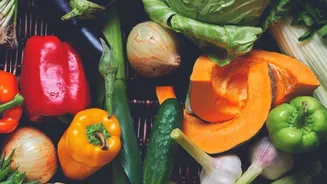
Where you shop makes a significant difference. Local mandis and farmers' markets often have lower prices and fresher produce than supermarkets because they have shorter supply chains. Buying seasonal produce is the single most effective strategy for saving money, as in-season items are abundant and therefore cheaper. Don't be afraid to buy smaller quantities more frequently; purchasing 250g of tomatoes twice a week instead of a full kilogram at once can reduce spoilage if your meal plans change. And always check your pantry before you leave home to avoid buying duplicates.
Master the Art of Substitution
A key skill in a flexible kitchen is knowing how to substitute ingredients. If tomatoes are prohibitively expensive, create a tangy curry base using tamarind paste, yogurt (dahi), or dried mango powder (amchur). If a recipe calls for an expensive or unavailable vegetable like zucchini or broccoli, consider using bottle gourd (lauki) or cauliflower, which can provide a similar texture in many Indian dishes. Bhavnagri peppers can stand in for jalapeños, and radish can offer a spicy kick in place of other ingredients. Knowing these simple swaps means you can follow a recipe's spirit without following its exact, costly ingredient list.
Waste Nothing, Want Nothing
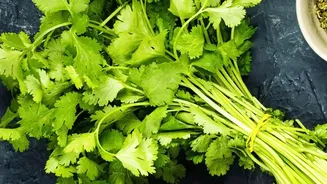
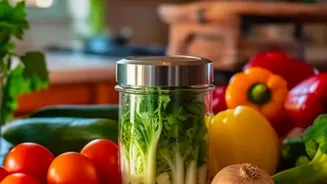
Reducing food waste is like finding money in your kitchen. Indian culinary traditions have always embraced using every part of the plant. Stems from coriander, leaves from cauliflower, and peels from vegetables like potatoes can all be used in sabzis, stocks, or chutneys, provided they are washed well. Proper storage is also crucial for extending the life of your produce. Keep leafy greens dry and in airtight containers, and store items like onions and potatoes in a dark, dry place. Using older produce before fresh items—a 'first in, first out' system—ensures that what you buy actually gets eaten.
Lean on Your Pantry and Freezer
Your pantry and freezer are your best allies against price volatility. Stock up on staples like dals, chana, and rajma, which provide a stable, protein-rich base for countless meals. Frozen vegetables like peas and corn have consistent pricing and are just as nutritious as their fresh counterparts. You can also use your freezer to preserve fresh produce when it's cheap. Blanch and freeze extra leafy greens, or make a big batch of ginger-garlic paste and freeze it in portions. Using leftover dal to make parathas or leftover rice for a quick fried rice are other creative ways to stretch your food and budget.