
What Passengers Feel: The Sudden Drop
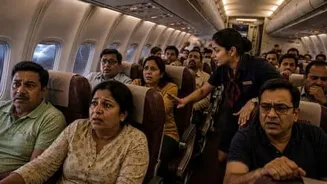
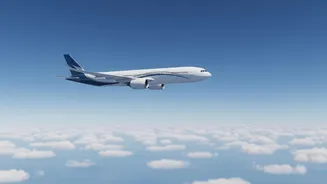
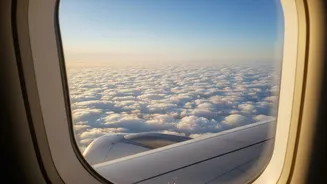
To a passenger, any sudden descent feels like falling. What is almost always occurring is a 'sudden altitude loss', often lasting just a few seconds. This is typically a deliberate and controlled action by the pilots or the result of encountering an air
current. The most common culprit is turbulence. When a plane hits a downdraft, it will descend with the column of air, creating a sensation of weightlessness or falling. Pilots may also initiate a descent to find a smoother altitude to improve passenger comfort or as instructed by air traffic control to avoid other aircraft or weather systems. Though it can feel like a drop of thousands of feet, these altitude deviations are often only 10 to 50 feet and are well within the aircraft's operational capabilities. The feeling is dramatic, but the situation is under control.
The Pilot's Perspective: A Controlled Maneuver
In the cockpit during turbulence-induced altitude loss, the atmosphere is one of procedure, not panic. Pilots are trained to manage these events. Their primary focus is to maintain the aircraft's attitude—its orientation relative to the horizon—rather than a specific altitude. They may slow the aircraft to its designated 'turbulence penetration speed' to reduce stress on the airframe and ensure a smoother ride. Modern aircraft are engineered with flexible wings and advanced control systems designed to absorb and respond to turbulence. Pilots also use weather reports, radar, and communication with air traffic control to anticipate and avoid the worst areas. An altitude change is often the safest and most proactive measure they can take.
The Real Danger: An Uncontrolled Plunge
An 'uncontrolled plunge' or 'uncontrolled descent' is a fundamentally different and exceptionally rare event. This signifies that the flight crew has partially or completely lost the ability to command the aircraft. The causes are catastrophic and could include a severe structural failure, a failure of multiple engines, or a critical flight control malfunction. In this scenario, the aircraft is not simply descending through a rough patch of air; it is in a state of crisis where pilots are actively fighting to regain control. Procedures for this type of emergency are drilled relentlessly in simulators, but they represent a true life-or-death struggle, unlike the manageable task of navigating turbulence. The distinction is critical: one is a controlled response, while the other is a loss of control.
Cabin Pressurization and Emergency Descents
Another scenario that involves a rapid descent is a loss of cabin pressurization. Commercial jets fly at altitudes where the air is too thin to breathe. If the cabin's pressure is compromised, pilots must perform an emergency descent to a lower altitude (typically below 10,000 feet) where the air is breathable. While this is a rapid maneuver, it is still entirely controlled. Pilots will reduce engine thrust to idle and may use speed brakes to descend quickly but safely. For passengers, this event—often accompanied by the deployment of oxygen masks—is terrifying. However, it is a well-rehearsed procedure designed to protect everyone on board from the effects of hypoxia, or oxygen deprivation.
Designed for Safety, Trained for Response
The key takeaway is the difference between management and emergency. Modern airliners are incredibly robust, built to withstand forces far greater than those encountered in even severe turbulence. A 'sudden altitude loss' is almost always a case of pilots actively managing the flight for safety and comfort. An 'uncontrolled plunge' is a true emergency defined by the crew's inability to direct the aircraft. The latter is the subject of accident investigations precisely because it is so rare. The former is a normal, if uncomfortable, part of aviation that happens on flights around the world every day. So, the next time you feel that lurch in your stomach, remember that the pilots are in control, and the aircraft is performing exactly as it was designed to.