



Why Are Grapes and Raisins So Dangerous?
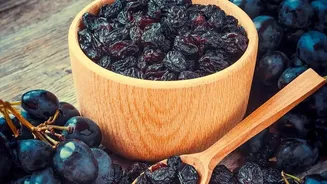
For years, the exact reason for grape and raisin toxicity in dogs was a mystery. However, recent veterinary research points to tartaric acid as the likely culprit. Grapes and their dried counterparts, raisins, contain high concentrations of this compound.
While humans can easily process it, dogs are uniquely sensitive. The concentration of tartaric acid can vary depending on the type of grape, its ripeness, and where it was grown, which is why the reaction is so unpredictable. One dog might eat a few and seem fine, while another could suffer acute kidney failure from a single grape. This unpredictability means there is no safe dose, and all varieties—red, green, seeded, or seedless—are considered toxic.
Spotting the Warning Signs of Toxicity
If your dog has ingested grapes or raisins, symptoms typically appear within a few hours, but can sometimes take up to 24 hours to manifest. The most common initial sign is vomiting. You might also notice lethargy, a loss of appetite, and diarrhoea. As the toxin begins to affect the kidneys, you may see more severe signs develop over the next 24 to 48 hours. These can include abdominal pain, increased thirst and urination followed by a sudden decrease or complete stop in urination, weakness, and an ammonia-like smell on their breath. These later signs indicate that acute kidney injury is already underway.
What to Do If Your Dog Eats Grapes
If you suspect your dog has eaten any amount of grapes or raisins, treat it as an emergency. The first and most crucial step is to contact your veterinarian immediately. Do not wait for symptoms to appear, as early intervention is key to a better outcome. Your vet will provide specific instructions based on your dog's size and the amount consumed. They may advise you on how to induce vomiting if the ingestion was recent, but this should only be done under professional guidance. At the clinic, treatment focuses on preventing the absorption of toxins and protecting the kidneys. This typically involves inducing vomiting, administering activated charcoal to bind any remaining toxins, and starting aggressive intravenous (IV) fluid therapy for 48 hours to help flush the kidneys and support their function.
Prevention Is the Only Cure
Given the serious risks, the only surefire way to keep your dog safe is through absolute prevention. Make it a household rule that grapes and raisins are never to be fed to dogs. Store them in secure containers or in the refrigerator, well out of your pet's reach. Be mindful of other foods that may contain these fruits, such as fruit cakes, trail mixes, and some baked goods. It is especially important to educate everyone in the home, including children and guests, about this danger. Ensure that waste bins are securely closed so a curious dog cannot rummage through them. In a country like India, where fresh fruit is a staple in many homes and sometimes included in religious offerings, vigilance is paramount to protecting your furry family member.