





The IMF's Vote of Confidence
The praise from the International Monetary Fund came after India posted a robust 7.8% GDP growth in the first quarter of the fiscal year 2026-27, outperforming expectations. IMF spokesperson Julie Kozack noted that this growth, driven by a strong services
sector and healthy exports, demonstrated the Indian economy's resilience despite the significant pressure from global energy price shocks. This assessment from a leading global financial institution underscores that India remains a crucial engine for global growth, even when facing external headwinds.
Pillar 1: A Diversified Energy Strategy
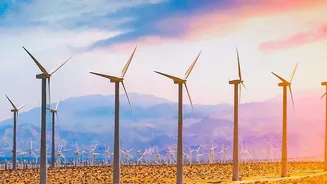
A key reason for this newfound stability is India's concerted effort to diversify its energy sources. For years, the economy's fate was closely tied to the volatile price of imported crude oil. Today, the country is aggressively expanding its renewable energy capacity, particularly in solar and wind power. In fact, India has already reached a significant milestone where its installed capacity from non-fossil fuel sources has surpassed that of fossil fuels. Government initiatives promoting everything from solar-powered agriculture to green hydrogen and ethanol blending are steadily reducing the country's over-reliance on a single energy source, creating a more balanced and shock-absorbent system.
Pillar 2: The Strategic Oil Buffer
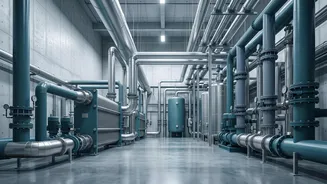
India has also built a critical safety net in the form of Strategic Petroleum Reserves (SPR). These are massive underground rock caverns storing millions of tonnes of crude oil, acting as an insurance policy against sudden supply disruptions or price spikes. The current SPR capacity across sites in Visakhapatnam, Mangaluru, and Padur can cover nearly 10 days of the nation's crude oil requirement. When combined with the commercial stocks held by oil marketing companies, India effectively has a buffer of several weeks. Recognizing the importance of this cushion, the government is already implementing a second phase of expansion that will significantly increase this storage capacity, further strengthening the country's energy security.
Pillar 3: Calibrated Pricing and Fiscal Levers
The third pillar of resilience lies in the government's management of fuel prices. While India technically follows a dynamic pricing system where fuel costs can change daily based on international rates, the government retains significant influence through taxes. The central government's excise duty and states' Value Added Tax (VAT) make up a substantial portion of the retail price of petrol and diesel. This structure gives policymakers a lever to absorb a portion of the shock when global prices surge, preventing the full, immediate impact from being passed on to consumers and businesses. While not a perfect system, this fiscal management helps cushion the economy from extreme volatility.
The Road Ahead: Challenges Remain
Despite the positive assessment, challenges persist. India still imports over 85% of its crude oil, meaning its economy remains highly sensitive to global market fluctuations. A sustained rise in oil prices can still strain the nation's finances and fuel inflation. Furthermore, while the country has made strides in building oil reserves, it currently lacks a similar strategic reserve for natural gas, a notable vulnerability. The path forward requires continued investment in domestic energy production, accelerating the clean energy transition, and enhancing energy infrastructure to lock in the gains in resilience for the long term.