




Embrace a Varied, Cooked Diet
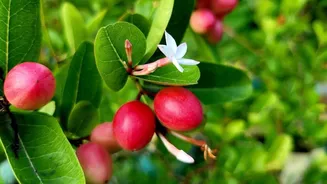
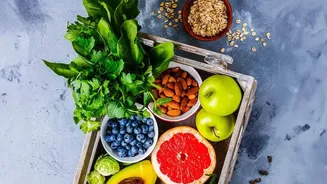
A strong immune system is your best defence during the rainy season, and a varied diet is crucial for building it. Instead of relying on a single 'superfood', focus on including a wide range of nutrients. Opt for seasonal fruits like jamun, pomegranate,
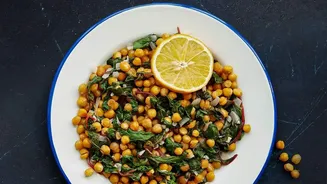
pears, and plums, which are packed with antioxidants and vitamins. For vegetables, gourds like lauki (bottle gourd) and karela (bitter gourd), along with pumpkin and sweet potatoes, are excellent choices. Incorporate immunity-boosting spices such as turmeric, ginger, and garlic into your daily cooking. These have anti-inflammatory and antimicrobial properties that help fight infection. Ayurveda also recommends light, warm, and freshly cooked meals like khichdi and soups, as the digestive system can be sluggish during this season. Steaming or lightly cooking vegetables is preferable to eating them raw.
Hygiene Is Your Highest Priority
The single most important rule for monsoon health is practising meticulous hygiene. The risk of contamination is significantly higher due to increased moisture and humidity. Always wash your hands thoroughly with soap and water before preparing or eating food. All fruits and vegetables must be washed rigorously under clean, running water. For leafy greens, which can harbour dirt and germs, it is a good practice to soak them in salt water or a vinegar solution before a final rinse. Be extremely cautious with street food, especially items like pre-cut fruits, salads, and anything served with unpurified water, as they are common sources of infections like typhoid and cholera. Ensure your drinking water is either boiled or properly filtered. It’s safest to avoid raw salads altogether; if you must have them, prepare them at home after thoroughly cleaning the ingredients and consider steaming them lightly.
Separate Fact from Common Myths
The monsoon is often accompanied by a flood of dietary advice, not all of which is accurate. One common myth is that you must completely avoid seafood. The concern is valid, as monsoon is a breeding season and fresh catch can be scarce, leading to the sale of improperly stored frozen fish. However, if you have access to a trusted source of fresh seafood, it is perfectly safe to eat when cooked thoroughly. Another myth is to avoid curd (yoghurt). In reality, curd contains beneficial probiotics that support gut health, which is essential for a strong immune system. There's no scientific reason to avoid it unless you are personally sensitive. Similarly, the idea that one specific food, like a fruit rich in Vitamin C, can single-handedly prevent all illnesses is an oversimplification. While Vitamin C is a vital immunity booster, overall health depends on a balanced diet and consistent healthy habits, not a magic bullet.
Smart Habits for a Healthy Gut
Since the digestive system is considered weaker during the monsoon, supporting your gut is key. Opt for lighter meals over heavy, oily, and fried foods, which are difficult to digest and can lead to bloating and indigestion. While the craving for hot pakoras is understandable, indulging in them frequently can tax your system. Consider healthier alternatives like baked snacks. Including probiotic foods like homemade curd is beneficial. Staying hydrated is also crucial, as people often drink less water in cooler weather. Warm water or herbal teas with ginger or tulsi can be both comforting and healthy. Finally, avoid keeping cooked food at room temperature for long periods, as bacteria multiply rapidly in humid conditions. It is best to eat freshly prepared meals whenever possible.