





India's electric vehicle revolution hit a new gear in October 2026. Despite a slight dip from September, the electric car segment posted a massive year-on-year surge, showcasing a fundamental shift in consumer preference.
The Big Picture: A 76% Leap
Retail sales of electric passenger
vehicles in India soared to around 37,000 units in October 2026. This represents a staggering year-on-year (YoY) growth of approximately 76% compared to the 21,000 units sold in October 2025. While these figures marked a slight month-on-month slowdown compared to September 2026, the annual growth underscores the robust and accelerating adoption of EVs across the country. This performance is particularly noteworthy as the overall passenger vehicle market saw a decline in the same period, partly due to the different timing of the festive season compared to the previous year. As a result, EVs commanded a 7.3% share of the total car market in October, more than double their 3.5% share from a year prior.
Tata Motors: Still in the Driver's Seat
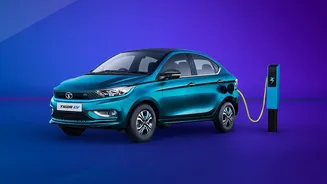
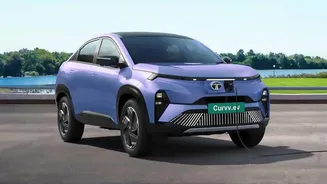
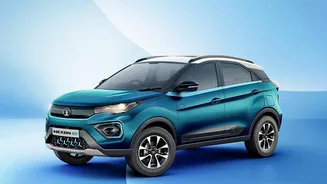
Tata Motors continues its reign as the undisputed leader in India's EV space. The company sold approximately 14,600 electric vehicles in October, capturing a formidable market share of around 40%. This figure represents a remarkable 77% YoY growth for the automaker, demonstrating its sustained momentum. Although sales saw a minor dip compared to September, Tata's broad portfolio—spanning from the entry-level Tiago EV to the popular Nexon EV and the newer Punch, Curvv, and Harrier EVs—ensures its presence across multiple price points, catering to a wide array of buyers. This multi-pronged strategy has been crucial to fending off growing competition and maintaining its leadership position.
The Challengers: Mahindra and MG Gain Ground
While Tata leads, the competition is intensifying. Mahindra has firmly established itself as the number two player, with retail sales of over 8,500 units in October. This marks an impressive 85% YoY growth, allowing Mahindra to increase its market share to over 23%. Models like the BE 6 and XEV 9e are strengthening its hold in the electric SUV segment. Following closely is MG Motor, which secured the third spot with nearly 6,000 units sold. Backed by innovative offerings like the Windsor EV, MG recorded healthy monthly and annual growth, proving that its focus on tech-forward and comfortable vehicles resonates with urban buyers. Together, Tata and Mahindra control nearly two-thirds of the entire Indian EV car market.
Drivers of the EV Surge
Several factors are powering this electric surge. The festive season, including Navratri, has historically been a strong period for vehicle sales, with increased consumer spending and attractive offers. More fundamentally, rising fuel prices have made the lower running costs of EVs a compelling proposition for many families, shifting the perception of electric cars from a niche green choice to a practical, cost saving alternative. A wider availability of models across different segments and price points from various manufacturers is also giving consumers more choice than ever before. This increased consumer interest is creating a self sustaining momentum, where demand often outstrips supply for popular models.
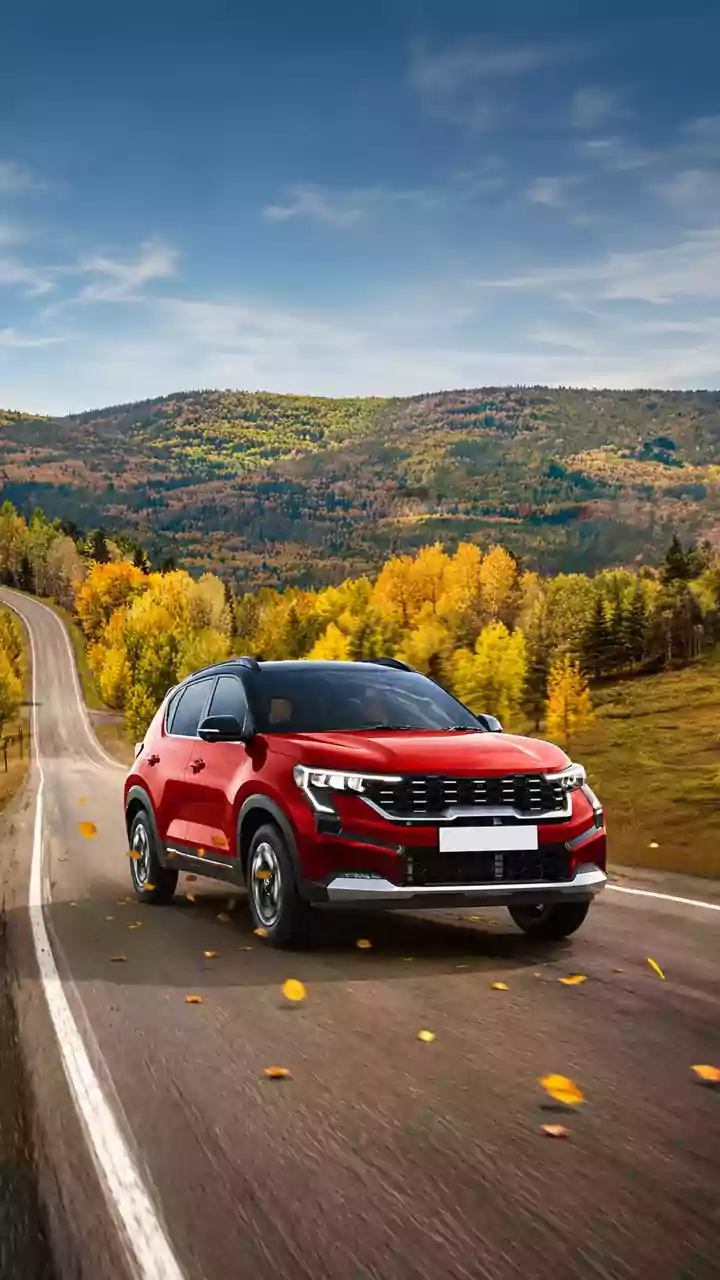
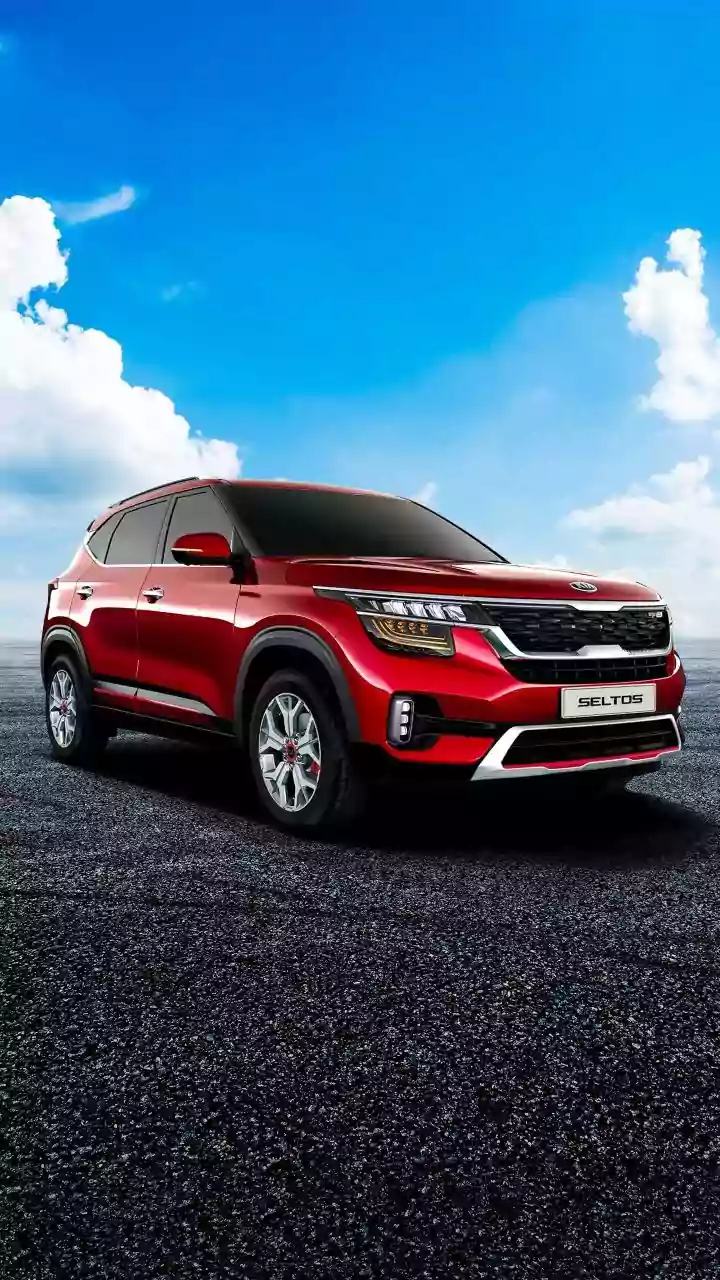
The market dynamics are becoming increasingly competitive. While homegrown players Tata and Mahindra dominate, international brands are making their presence felt. Vietnamese automaker VinFast, for example, ranked fourth despite a monthly sales dip, showing incredible YoY growth from a low base. Other established players like Kia, Maruti Suzuki, and Hyundai are also ramping up their EV offerings and registering significant sales volumes. Kia's sales grew over 85% YoY, while Maruti Suzuki is steadily building its presence. The collective performance indicates a healthy, expanding market where multiple brands are finding their footing, promising even more options and innovation for Indian consumers in the months to come.