




A Land Forged by Tectonic Power
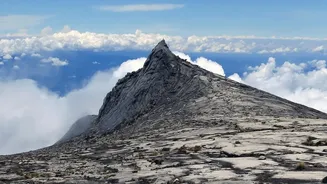
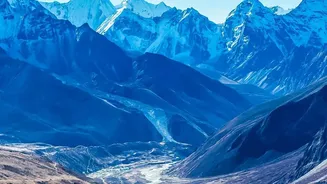
Nepal's existence is defined by immense geological forces. The country sits where the Indian and Eurasian tectonic plates collide, a process that continues to push the Himalayas upward. This makes the region one of the most seismically active in the world,
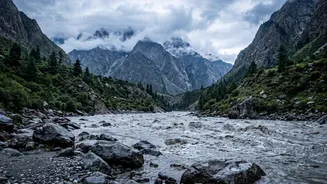
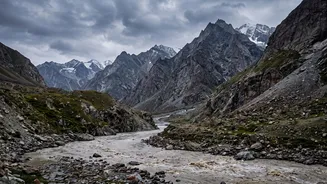
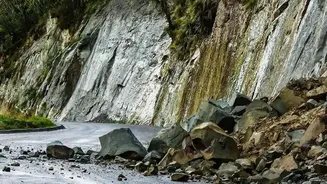
ranking 11th globally for earthquake risk. The devastating 7.8-magnitude Gorkha earthquake in 2015 was a stark reminder of this, claiming nearly 9,000 lives and triggering tens of thousands of landslides. But the risks are not just seismic. The country's dramatic topography, rising from low plains to the world's highest peaks over a short distance, creates a landscape prone to disaster. Steep slopes and young, fragile geology mean that land can give way with terrifying speed, especially during the intense June to September monsoon season which swells over 6,000 rivers and streams.
The Human Imprint: Unplanned Growth
Natural hazards become disasters when they intersect with human populations. In Nepal, this intersection is becoming increasingly dangerous due to rapid and often unplanned urbanization. The Kathmandu Valley, one of South Asia's fastest-growing metropolitan areas, is a prime example. Haphazard growth has led to construction on vulnerable land, often with poor enforcement of building codes. This creates a landscape of fragile buildings and reduced open spaces, which are critical for safety during an earthquake. The rush to build infrastructure, such as roads cut into steep slopes without proper engineering, further destabilizes the terrain and increases landslide risk, a factor acknowledged in Nepal's own disaster assessments. Riverbeds are often encroached upon for development, placing communities directly in the path of potential floods.
Rural Risks and Difficult Choices
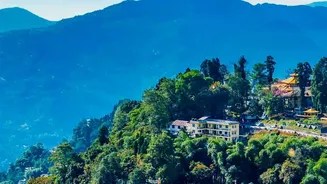
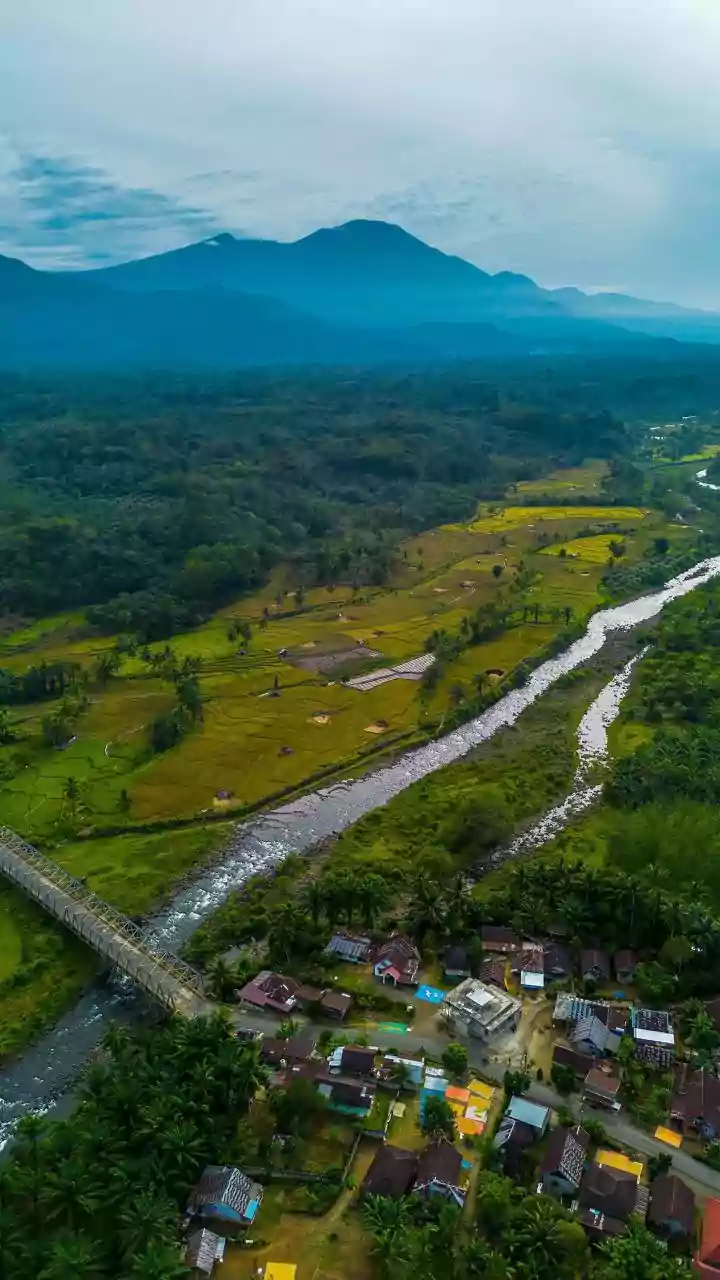
Beyond the bustling cities, vulnerability takes a different shape. In rural and mountainous regions, flat, safe land is a scarce commodity. This scarcity forces communities to build homes and farm on steep hillsides or along river valleys, exposing them to landslides and flash floods. In places like the Karnali Province, over half the land is steep terrain, and thousands of landslides are recorded annually, with hundreds of settlements identified as highly vulnerable. Development projects, meant to improve lives, can sometimes introduce new risks. Poorly planned rural road construction is a major trigger for landslides. Hydropower projects, vital for Nepal's economy, are by necessity built on rivers, making them and the surrounding areas susceptible to floods and debris flows.
Climate Change as a Threat Multiplier
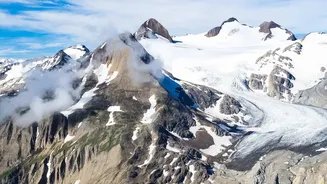
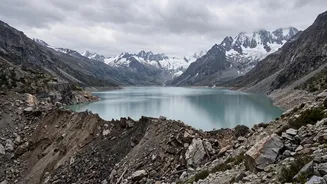
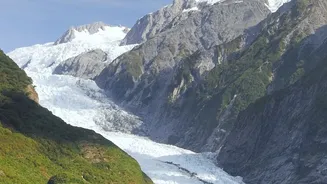
A warming climate is amplifying Nepal's existing vulnerabilities. Rising temperatures are accelerating glacier melt in the Himalayas. As glaciers retreat, they can leave behind vast lakes dammed by unstable walls of rock and debris. A breach in one of these dams can unleash a Glacial Lake Outburst Flood (GLOF), a catastrophic torrent of water and debris. Climate change is also altering monsoon patterns, leading to more erratic and intense rainfall events. These downpours saturate the already fragile slopes, increasing the frequency and severity of landslides and flash floods. Events in recent years, where extreme rainfall triggered devastating floods and landslides, illustrate how climate change acts as a force multiplier, turning predictable seasonal hazards into unprecedented disasters.
Forging a Path to Resilience
Recognizing this complex web of risk, Nepal has been shifting its approach to disaster management. Following the 2015 earthquake, the country enacted the Disaster Risk Reduction and Management Act in 2017, moving from a purely reactive stance to one focused on preparedness and mitigation. This involves creating a more structured framework for disaster response from the national to the local level. The strategy includes comprehensive risk assessments, strengthening infrastructure to be more resilient, and developing early warning systems to give communities time to evacuate. However, significant challenges remain, including resource limitations, coordinating among various government agencies, and enforcing land use and construction regulations, particularly at the local level where implementation is most critical.