


The Non-Negotiable: Solar Filters
This is the most critical item on your list. You cannot point a camera at the sun without a proper solar filter securely attached to the front of your lens. Doing so will instantly cause severe damage to your camera's sensor and can cause severe eye injury
if you look through an optical viewfinder. Regular Neutral Density (ND) filters are not strong enough; you need a dedicated solar filter designed for photography, often rated at 16 stops (ND100000) or higher. Make sure the filter is attached to the front of the lens, not as a drop-in rear filter, which won't protect your lens elements from concentrated heat.
Essential Eye Protection
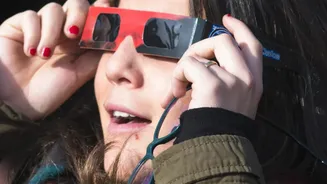
Just as your camera needs a filter, your eyes need protection. Pack certified solar eclipse glasses or a handheld solar viewer. These must comply with the ISO 12312-2 international safety standard. Regular sunglasses, no matter how dark, are completely unsafe for looking at the sun. Never look through your camera's lens, binoculars, or a telescope while wearing eclipse glasses; the concentrated solar rays will burn through the filter and cause serious eye injury. The only time it is safe to look at the sun without protection is during the brief period of totality, when the moon completely blocks the sun's face.
Your Core Camera Kit
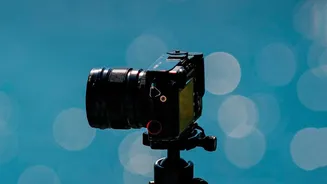
A DSLR or mirrorless camera that allows manual control is ideal. When it comes to lenses, a telephoto is key to making the sun appear large in your frame. A focal length between 400mm and 600mm is excellent for capturing details like solar prominences. A wider lens, around 100mm to 200mm, can be great for capturing the sun's wispy outer corona during totality. Don't forget to pack extra batteries and memory cards. Long sessions and using the live view screen can drain power quickly, and you don’t want to run out at the crucial moment.
The Support System
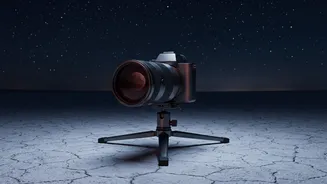
A sturdy tripod is essential for keeping your camera stable and producing sharp images, especially with a heavy telephoto lens. The sun moves surprisingly fast across the sky, and a good tripod head will allow you to make smooth adjustments to track it. To avoid camera shake from pressing the shutter button, bring a remote shutter release or cable release. If you don't have one, you can use your camera's built-in two-second timer as an alternative.
Personal Comfort and Safety
An eclipse event can mean being outdoors for several hours, so pack for a long wait. Bring a portable chair or blanket for seating. Pack plenty of water and snacks to stay hydrated and energized. Weather can change, so layered clothing is a smart choice. Even during an eclipse, the sun is bright, so you'll need sunscreen, a wide-brimmed hat, and regular sunglasses for when you're not actively viewing the sun. A basic first-aid kit is also a wise addition to any outdoor excursion.
Planning and Practice
Your most valuable packed item might be your plan. Before you go, research the exact timing of the eclipse for your specific location. It's a great idea to visit your chosen viewing spot a day before at the same time to check for obstructions like trees or buildings. Practice setting up your gear and using your solar filter. You should be able to remove it quickly and smoothly right as totality begins, and put it back on the moment it ends. Finally, switch your camera to shoot in RAW format to capture the most image data for later editing.