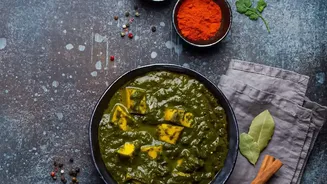






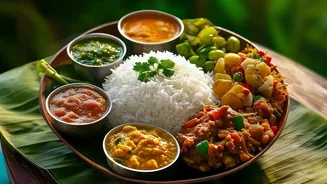
What Exactly Is Saag?
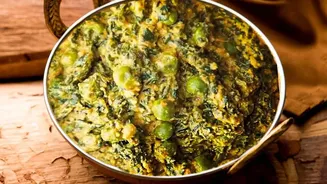
In Hindi and Punjabi, the word 'saag' simply means leafy greens. While many associate it with 'Sarson ka Saag', made from mustard greens, the term actually refers to a culinary technique for slow-cooking greens with spices. Traditional saag is often a blend
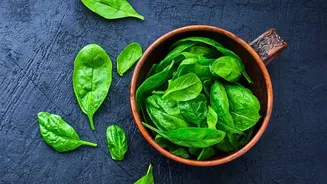
of multiple greens, each contributing a unique texture and flavour. Common choices include pungent mustard greens (sarson), earthy spinach (palak), and tender lamb's quarters (bathua). This combination creates a dish with a complex flavour profile and a rich array of nutrients that a single green cannot provide.
A Treasure Trove of Vitamins
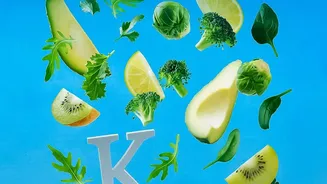
Dark green leafy vegetables are celebrated for being rich in essential vitamins, and saag is no exception. It is particularly high in Vitamin K, which is vital for bone health and proper blood clotting. In fact, a single serving of cooked mustard greens can provide more than the daily recommended amount. Saag is also an excellent source of Vitamin A and Vitamin C. Vitamin A is crucial for good vision and a strong immune system, while Vitamin C, a powerful antioxidant, helps protect the body from cell damage and supports immunity, especially during the winter months.
Packed with Essential Minerals
Saag provides a good dose of essential minerals like calcium, iron, potassium, and magnesium. Mustard greens, for example, are a better source of bioavailable calcium than spinach because they have lower levels of oxalates, which are compounds that can inhibit mineral absorption. While spinach is famously rich in iron, these same oxalates can also bind to iron, making it less available to the body. A helpful tip is to pair saag with a source of Vitamin C, like a squeeze of lemon juice, as this significantly enhances the absorption of plant-based (non-heme) iron.
The Importance of Healthy Fat
The traditional dollop of ghee or white butter on top of saag is not just for flavour; it serves a crucial nutritional purpose. Vitamins A and K, which are abundant in saag, are fat-soluble. This means your body needs fat to absorb them effectively. Adding a healthy fat like ghee acts as a delivery system, helping your body unlock and utilize these essential vitamins. Cooking the greens also helps lower cholesterol by improving the bile-binding process in your digestive system.
Building a Balanced Vegetarian Meal
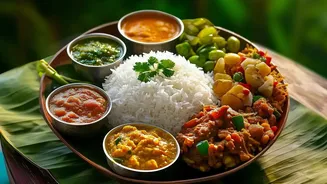
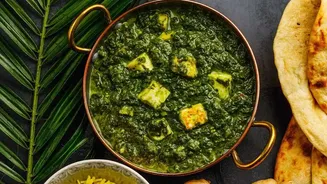
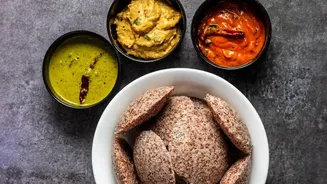
On its own, saag is a low-calorie, high-fibre dish, but it is not a complete meal. To make it balanced, you need to add sources of protein and complex carbohydrates. The classic pairing with 'makki ki roti' (maize flatbread) is a perfect example, providing sustained energy from complex carbs. To boost the protein content, adding cubes of paneer (Indian cottage cheese) is a popular and delicious option, transforming the dish into Saag Paneer. For a plant-based alternative, adding chickpeas (to make Chana Saag) or lentils to the dish also works wonderfully to create a complete protein profile.
Making Your Saag Even Healthier
While traditional saag is incredibly nutritious, modern preparations can sometimes be heavy on cream and butter, increasing the calorie count. For a healthier version, be mindful of the amount of fat you add; a teaspoon of ghee per serving is often enough to aid nutrient absorption without adding excess calories. Avoid overcooking the greens to preserve their delicate nutrients, particularly Vitamin C. Finally, you can enhance the dish further by incorporating other vegetables like broccoli or kale, or adding protein sources like tofu or soya chunks to make it a more satisfying and complete meal.