






The Heart of the Proposal
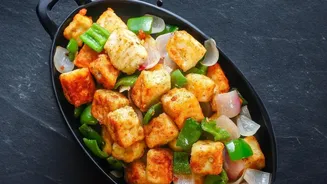
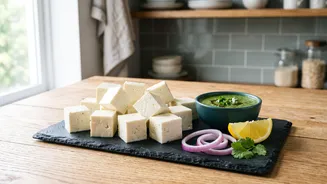
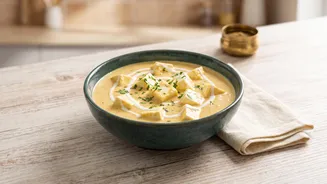
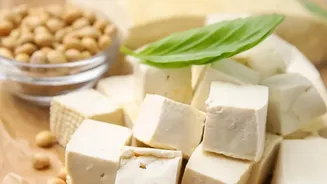
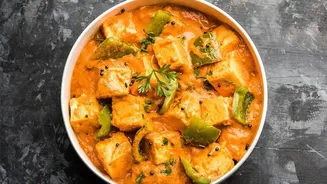
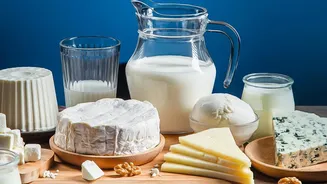
The Food Safety and Standards Authority of India (FSSAI) has released draft regulations aimed at reserving the term 'paneer' exclusively for products made from milk. This means that items made from non-dairy ingredients, often called 'soya paneer' or 'vegan
paneer', would no longer be allowed to use the word 'paneer' in their name, labelling, or marketing. The proposed amendment to the Food Safety and Standards (Prohibition and Restrictions on Sales) Regulations, 2011, would require any product currently licensed as an 'Analogue in a Dairy Context' to drop the term. The move isn't an outright ban on these products, but a significant restriction on how they are presented to the public.
A Push for Consumer Clarity
The primary motivation behind FSSAI's proposal is to prevent consumers from being misled. The regulator's notification states that the goal is to avoid confusion regarding the nature and composition of the product a consumer is buying. Officials are concerned that when products made from ingredients like vegetable oil, starches, and plant proteins are sold as 'paneer', shoppers might mistakenly believe they are purchasing a traditional dairy product. This also has nutritional implications; consumers, especially vegetarians who rely on paneer as a protein source, may not be getting the nutritional profile they expect from a non-dairy analogue. The proposal aims to ensure that labels accurately reflect a product's composition, allowing for more informed purchasing decisions.
Concerns from a Growing Industry
While the rule aims to protect consumers, it poses a challenge for India's burgeoning plant-based food sector. For many start-ups and established companies in this space, using familiar terms like 'paneer' is a crucial marketing tool. It immediately communicates the product's texture, function, and how it can be used in cooking, effectively acting as a bridge for consumers looking to try dairy-free alternatives. A forced name change could create a significant hurdle, requiring businesses to invest heavily in re-educating consumers about what their products are. This could potentially slow the growth of an industry that is responding to increasing demand for vegan and health-conscious options.
The Bigger Picture for Shoppers
For the average shopper, the outcome of this debate will directly impact their grocery aisle experience. On one hand, stricter naming conventions could bring much-needed transparency, ensuring that when you buy paneer, you are unequivocally getting a milk-based product. This aligns with other FSSAI initiatives, like the introduction of a standardised vegan logo, to reduce consumer confusion. On the other hand, shoppers looking for plant-based substitutes might find it harder to locate these products if they are rebranded with unfamiliar, technical-sounding names. The challenge lies in finding a balance that protects the integrity of traditional food terms without stifling innovation or making it harder for consumers to find the alternatives they seek.
A Global Debate on Food Naming
This isn't just an Indian issue. Around the world, similar battles are being fought over the names of plant-based products. Debates have raged in Europe and the United States over terms like 'veggie burger', 'almond milk', and 'vegan cheese'. Dairy and meat industry groups often argue that using traditional terms for plant-based analogues is inherently misleading, while plant-based producers contend that these names are essential for consumer understanding. FSSAI's proposal places India at the heart of this global conversation about how we define the foods of the future, even as several Indian states have already imposed their own restrictions on the sale of analogue paneer.
What Happens Next and How You Can Participate
This proposal is not yet a final rule. FSSAI has published the draft amendment to invite objections and suggestions from the public, including consumers, food businesses, and other stakeholders. The regulator will consider the feedback received over a 60-day period before making a final decision. This public consultation phase is a critical part of the regulatory process, giving everyone a chance to weigh in on a decision that will shape food labels for years to come. The final outcome will determine whether 'paneer' remains a term exclusive to dairy or if its definition will expand to include a new generation of plant-based alternatives.