






A Look Inside the Nashpati
To understand the Nashpati’s role in a healthy diet, we first need to look at its nutritional makeup. A single medium-sized pear contains around 100 calories. The majority of these calories come from its approximately 27 grams of carbohydrates. However,
that's not the whole story. This fruit is also about 84% water, which is great for hydration, and contains virtually no fat. Crucially, within those carbohydrates, you get a significant amount of dietary fibre — about 6 grams, which is a substantial portion of your daily requirement. It also provides essential nutrients like Vitamin C, Vitamin K, and potassium.
The Two Faces of Carbohydrates
The word 'carbohydrate' often gets a bad rap, but not all carbs are created equal. Your body needs them for energy. The key is to distinguish between different types. Simple carbohydrates, like those in processed sugars and sweets, are absorbed quickly and can cause blood sugar to spike. On the other hand, complex carbohydrates, which include the dietary fibre found abundantly in Nashpati, are different. The body digests fibre much more slowly. This distinction is vital for understanding why a fruit like a pear behaves very differently in your body compared to a sugary drink with the same carb count.
Fibre: The Unsung Hero
The fibre in a Nashpati is its secret weapon. This high fibre content, particularly a soluble fibre called pectin, creates a gel-like substance in your gut. This process slows down the digestion and absorption of the sugars also present in the fruit. The result? A much slower, more gradual rise in blood sugar levels instead of a sharp spike. This is why pears have a low Glycemic Index (GI), a measure of how quickly a food raises blood sugar. Foods with a low GI are preferred for sustained energy and better blood sugar management, making Nashpati a surprisingly smart choice.
Benefits Beyond the Carbs
The combination of high fibre and high water content does more than just manage blood sugar. It also helps you feel full and satisfied for longer after eating. This feeling of satiety can be a powerful tool for weight management, helping to prevent overeating or snacking on less healthy options. Studies have even linked regular consumption of whole fruits like pears with a lower risk of obesity. Furthermore, the fibre promotes excellent gut health by feeding beneficial bacteria and ensuring regular digestion. For maximum benefits, it is always recommended to eat the pear with its skin on, as the peel contains a high concentration of its fibre and valuable antioxidants.
Making Nashpati Part of Your Diet
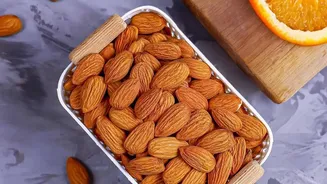
So, how can you enjoy Nashpati without worry? The key is mindfulness and moderation. One medium-sized pear is a perfect serving size. If you have diabetes or are particularly sensitive to carbohydrates, pairing the fruit with a source of protein or healthy fat—like a handful of nuts or a scoop of yoghurt—can further help to stabilize your blood sugar levels. Avoid pear juice, which strips away the beneficial fibre and concentrates the sugar, and steer clear of canned pears in sugary syrup. Sticking to the whole, fresh fruit allows you to get the complete package of nutrients exactly as nature intended.