





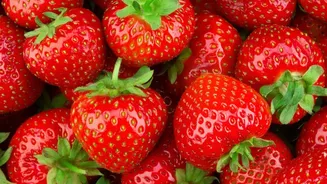


The Seasonal Strawberry Challenge
Traditionally, strawberries in India have been a winter crop, thriving in the cool, temperate climates of hilly regions like Mahabaleshwar and Himachal Pradesh. This specific climate requirement means that for most of the country, fresh strawberries are
only available for a few months, typically from December to April. This short window creates a market flood where prices can crash for farmers, while for the rest of the year, consumers are left with either no supply or expensive imports. The crop's vulnerability to unpredictable weather, like heavy rain, further complicates open-field cultivation, making it a risky venture for many farmers.
Enter the Semi-Open Polyhouse
A game-changing solution is emerging in the form of semi-open polyhouses. Unlike fully enclosed, climate-controlled greenhouses, these structures offer a more balanced and cost-effective approach. A polyhouse is essentially a frame covered with polyethylene film that protects crops from the elements. The 'semi-open' design allows for natural ventilation, which is crucial for preventing overheating and managing humidity, while still providing protection from rain, frost, and pests. This setup gives farmers significant control over the growing environment without the massive expense of a fully automated, high-tech system.
A Perfect Climate on Demand
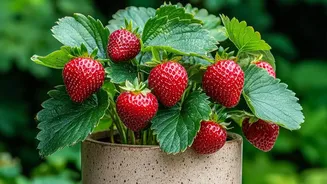
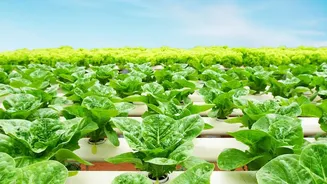
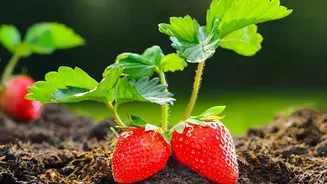
The magic of the polyhouse lies in creating a stable, optimized environment. By shielding the plants from harsh external conditions, farmers can maintain the ideal temperature range of 15 to 25 degrees Celsius that strawberries love. This controlled environment also dramatically reduces the risk of fungal diseases, which often thrive in damp, uncontrolled conditions. Technologies like drip irrigation and fertigation can be integrated seamlessly, delivering precise amounts of water and nutrients directly to the plant roots. This not only conserves resources but also promotes healthier plants and higher-quality fruit that doesn't touch the soil, reducing spoilage.
The Economic Equation for Farmers
While setting up a polyhouse requires a significant initial investment, the returns are proving to be compelling. Farmers can achieve much higher plant density and yields per acre compared to open-field farming. More importantly, the ability to cultivate strawberries during the off-season allows them to command premium prices when market supply is low. A well-managed polyhouse can turn strawberry farming from a seasonal gamble into a predictable, year-round revenue stream. Reports from farmers who have adopted this technology show substantial increases in net profit, justifying the upfront cost and making it a viable business model for modern agriculture.
Beyond Mahabaleshwar's Hills
Perhaps the most exciting aspect of this technology is its potential to decentralize strawberry production. While Mahabaleshwar remains the heartland, accounting for a vast majority of India's output, polyhouses are enabling farmers in non-traditional regions like Gujarat, Karnataka, Haryana, and even the plains of Uttar Pradesh to successfully cultivate the crop. This expansion means that fresh, locally-grown strawberries can reach more markets across the country, reducing transportation costs and improving freshness for consumers far from the traditional strawberry belt.
What This Means for Strawberry Lovers
For the average consumer, this agricultural shift translates into a simple, delicious benefit: more strawberries, more often. The expansion of year-round production promises a more stable supply in supermarkets and local fruit stalls. With increased availability, prices may become more consistent throughout the year, making this premium fruit more accessible to a wider audience. The controlled growing conditions also often lead to better-quality, more flavourful berries, elevating the consumer experience. The era of waiting all year for strawberry season may soon be a thing of the past.