



The Golden Rule of Scale
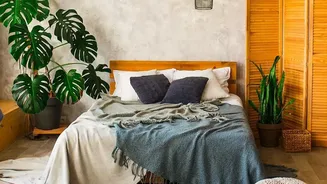
In interior design, scale refers to how the size of one object relates to another. When it comes to plants, there are two relationships that matter: the planter-to-plant scale and the planter-to-room scale. Getting this right is the difference between
a plant that looks like a thoughtful accent and one that feels like a random afterthought. An oversized plant can overwhelm a space, while a tiny one can get lost. The goal is to create balance. The planter acts as the bridge between the organic, living plant and the structured, man-made furniture and architecture of your room. Its size, shape, and style can make a plant feel either grounded and intentional or completely out of place.
Matching the Planter to the Plant
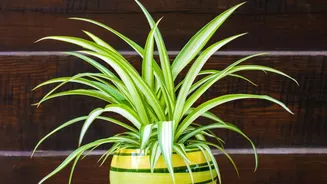
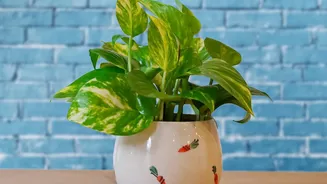
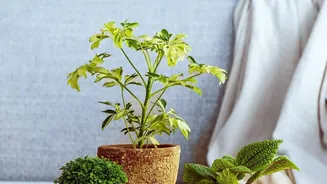
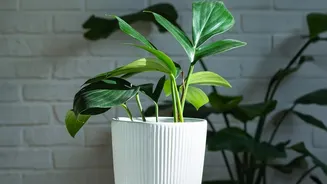
Before you can think about the room, you need to think about the plant's health and proportions. A pot that is too small will restrict root growth and dry out too quickly. A pot that is far too large holds excess soil and water, which can lead to root rot. A good rule of thumb is to choose a pot that is about two inches wider in diameter than the plant's current pot or root ball. This gives the roots enough space to grow without leaving them in a swamp. Aesthetically, the planter should complement the plant's form. Tall, columnar plants often look great in shorter, wider pots that provide a stable base, while trailing plants like ivy or pothos can be showcased in taller planters or hanging baskets that allow their foliage to cascade.
Matching the Planter to the Furniture
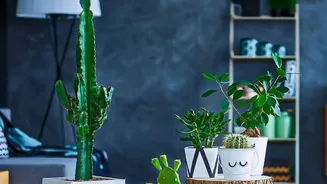
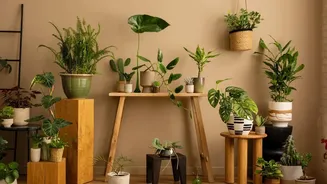
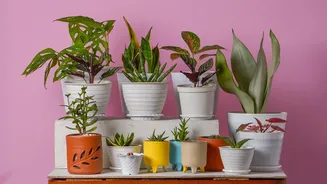
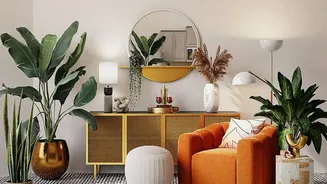
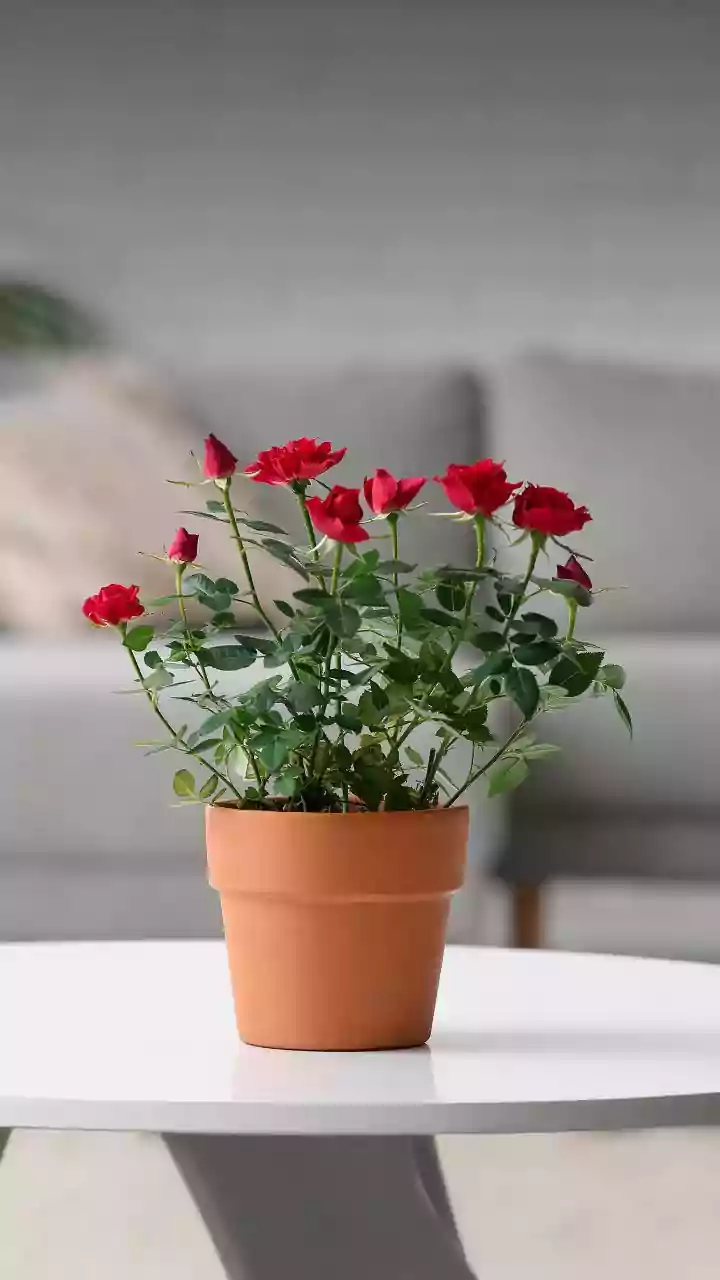
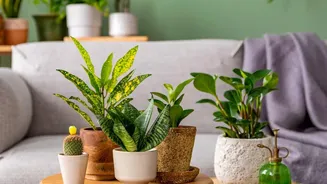
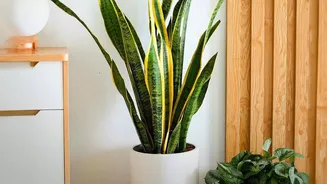
This is where many people miss an opportunity. A planter should be in proportion to the furniture it’s placed on or near. A tiny 4-inch pot on a large dining table or next to a bulky sofa will look insignificant. Conversely, a massive floor planter can easily overpower a delicate side table. For floor plants meant to anchor a corner or flank a doorway, you need a planter with enough visual weight to hold its own. For tabletop or shelf displays, the planter should feel like part of the arrangement, not an isolated object. Consider grouping planters of varying heights and sizes in odd numbers—like three or five—to create a more dynamic and professionally styled look.
Why Ceramic Is a Design Game-Changer
This brings us to ceramic planters. While materials like plastic or metal have their place, ceramic offers a unique combination of aesthetic versatility and practical benefits that make it ideal for interior design. Ceramic planters come in a vast array of colours, textures, and finishes, from minimalist matte neutrals to ornate, hand-glazed patterns. This variety allows them to function as decorative objects in their own right, capable of complementing any interior style from Scandinavian modern to traditional or bohemian. Their weight and durability also provide stability for top-heavy plants that might tip over in a lightweight plastic pot. This substance gives them the presence needed to stand up to substantial pieces of furniture.
Beyond Function: Health and Style
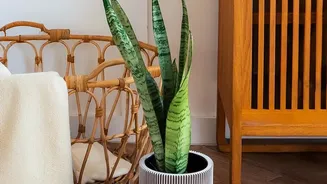
Ceramic planters are also excellent for plant health. Unglazed ceramic is porous, allowing for air and moisture to move through the pot's walls, which helps prevent overwatering. Glazed ceramic planters are better at retaining moisture, which is ideal for houseplants that prefer consistently damp soil and reduces your watering frequency. The thick walls also insulate the plant's roots from sudden temperature changes. When selecting a ceramic planter, think about how its style connects to your decor. A sleek, cylindrical pot in white or black can enhance a contemporary room, while a rustic, textured pot might be perfect for a farmhouse look. You can use the planter’s colour to either blend in with your neutral palette or provide a bold pop of colour that draws the eye and turns your plant into a true focal point.