




A New Milestone for an Old Icon
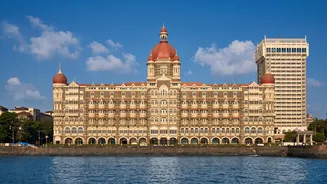
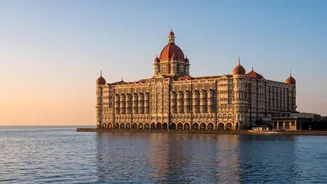
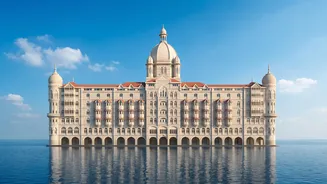
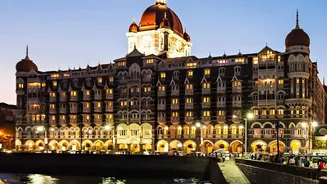
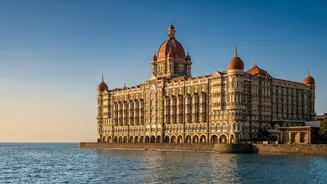
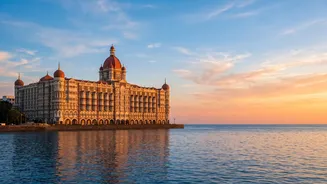
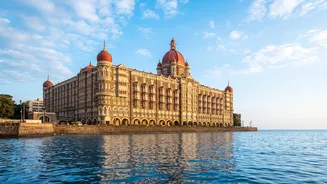
In a glittering ceremony in Paris, the world of luxury travel turned its eyes to Mumbai. The Taj Mahal Palace secured the No. 30 spot on the prestigious World's 50 Best Hotels 2026 list, a significant leap from its position at No. 38 last year. As the only
Indian hotel to make the top 50, this achievement isn't just a win for the hotel but a moment of immense pride for the nation. The list, decided by over 800 anonymous global experts ranging from hoteliers to travel journalists, is considered one of the highest honors in the hospitality industry. While the hotel has always been a symbol of luxury, its ascent in the rankings points to a deeper appreciation of what makes it truly special.
The Overlooked Detail: Its Living Soul
So, what changed? The hotel didn't just get a new coat of paint. Instead, it seems the world is finally looking beyond the perfectly polished marble and crystal chandeliers. The 'overlooked detail' that this award brings forward isn't a physical feature, but the hotel's intangible soul. For years, the Taj has been celebrated for its grandeur and location. Now, voters are recognizing its role as a living museum and a cultural custodian. It’s an acknowledgment that the hotel’s true luxury lies in its ability to make guests feel like part of a century-old story, a narrative woven into the fabric of Mumbai itself. This ranking celebrates not just a place to stay, but a place that stays with you.
A Witness to Mumbai's History
The hotel's legacy is inseparable from the city's own. Opening its doors in 1903, it famously predates its famous neighbour, the Gateway of India. Founded by Jamsetji Tata, it was built as a statement of Indian pride and capability. Since then, its corridors have hosted royalty, world leaders, and cultural icons, making it a silent observer of over a century of change. This rich history is not confined to textbooks; it's felt in the heritage wing's architecture, the art on the walls, and the stories shared by its staff. The hotel’s resilience, particularly the courage shown by its staff during the 26/11 attacks, cemented its place not just as a landmark, but as a symbol of Mumbai's unbreakable spirit.
The Secret Ingredient Called 'Tajness'
If the hotel's history is its foundation, then its legendary hospitality is the lifeblood. Known globally as 'Tajness', this philosophy of service is something that cannot be replicated. It's an ethos of anticipatory service and genuine warmth that has consistently earned the Taj brand global recognition. The staff are more than employees; they are storytellers and guardians of a legacy. It is this human element that transforms a stay from a simple transaction into a memorable experience. The voters for the World's 50 Best list are well-travelled individuals who can distinguish between manufactured luxury and authentic hospitality. Their verdict is clear: the personal touch and deep-rooted service culture at the Taj are what elevate it into the global elite.
What This Means for Indian Hospitality
The Taj Mahal Palace's rise in the rankings is a victory for the entire Indian hospitality industry. It proves that our unique brand of service—rooted in tradition, warmth, and a deep sense of place—is a powerful force on the world stage. In an era of cookie-cutter hotel chains, the Taj stands as a testament to the power of individuality and heritage. This recognition puts a global spotlight on Mumbai as a premier luxury destination and reinforces the idea that India's greatest offering to the world of travel is its incredible history and the warmth of its people. It's a signal that the world is not just ready for, but is actively seeking, the kind of soulful luxury that India has perfected.