


Starting Point: The Heart of the Renaissance
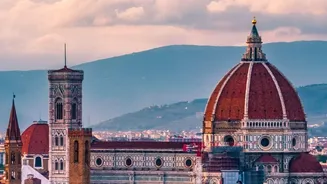
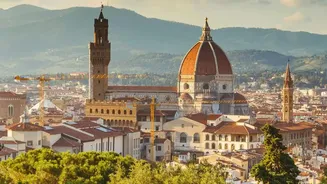
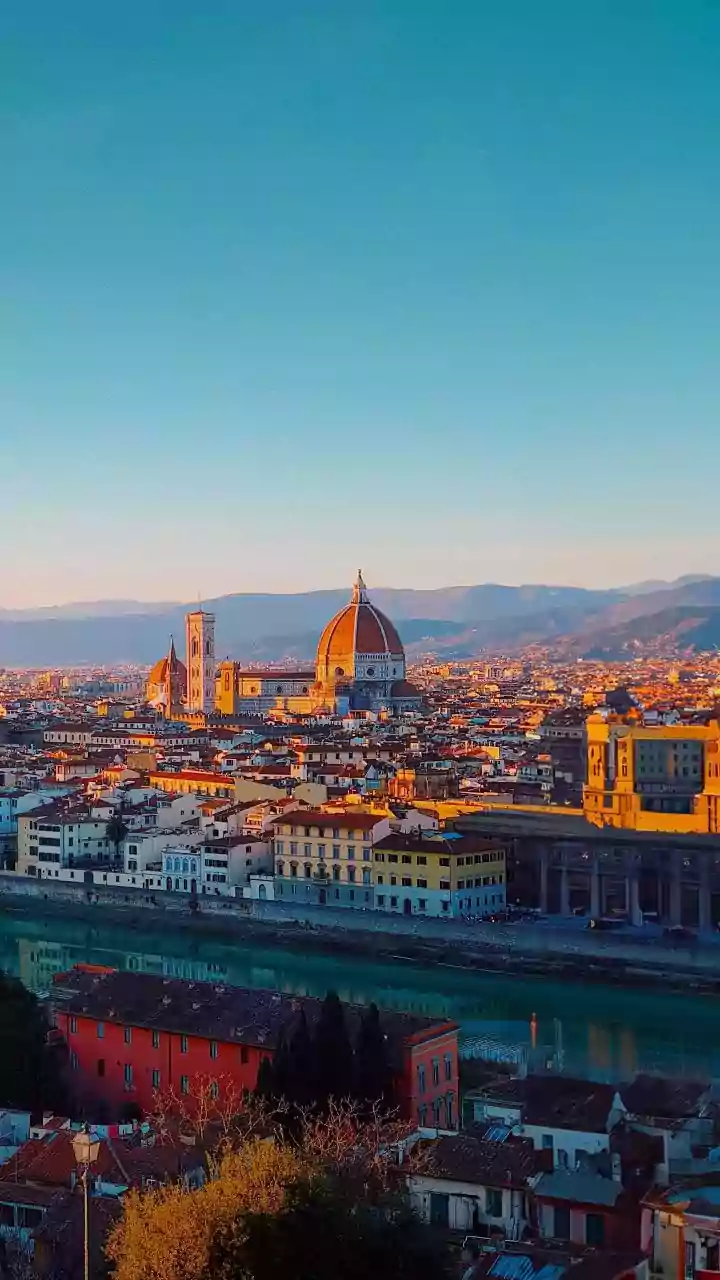
Your journey begins in Florence, a city that is itself a living museum. Before you even think about picking up a rental car, give yourself a few days to explore its treasures on foot. The Uffizi Gallery, the Duomo, and the Ponte Vecchio are best experienced
without the stress of navigating Florence's notoriously tricky streets. Once you've had your fill of Renaissance art and architecture, arrange to pick up your vehicle on the outskirts of the city. This allows you to avoid the restricted traffic zones (ZTLs) and sets you up for a smooth departure into the countryside that awaits.
The Chianti Classico Route: Strada Regionale 222
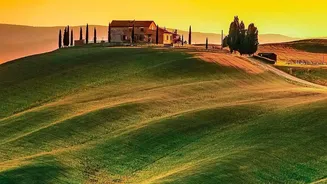
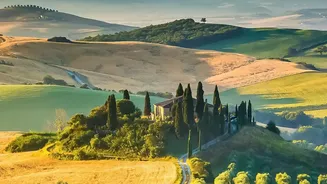
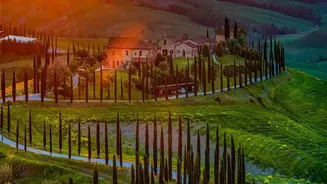
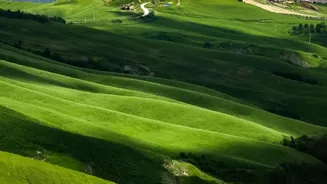
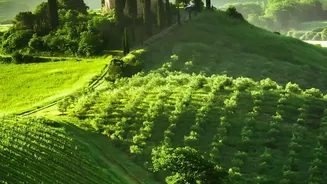
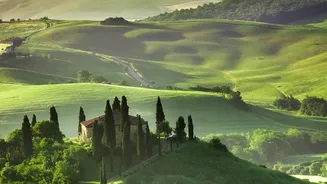
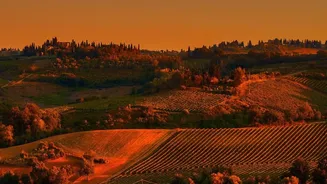
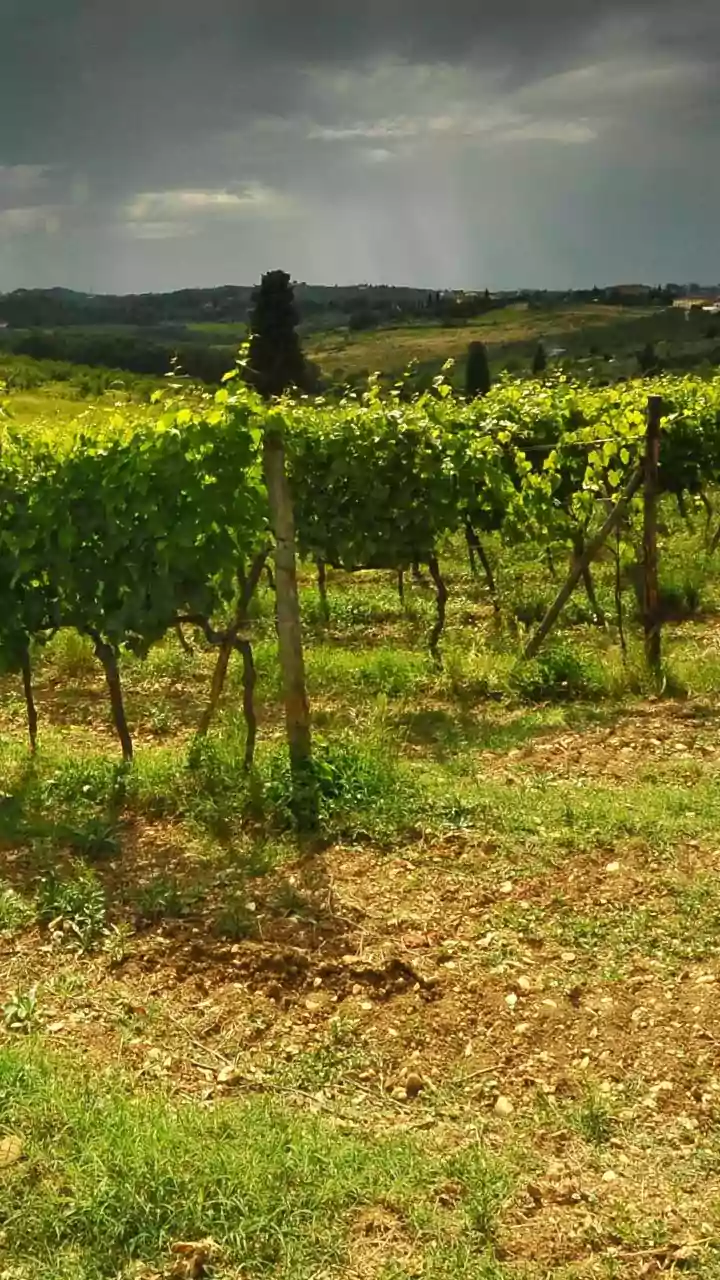
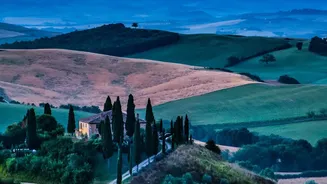
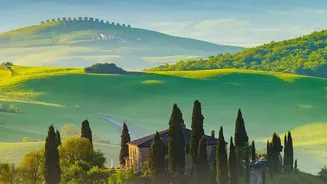
The legendary Strada Regionale 222, or 'Chiantigiana', is the backbone of this road trip. This 70-kilometre scenic road winds its way from Florence to Siena, cutting through the heart of the Chianti Classico wine region. This is not a journey to be rushed. The road twists and turns through a landscape of vineyards and olive groves, punctuated by medieval hamlets and breathtaking vistas at every bend. The symbol of the region, the 'Gallo Nero' (Black Rooster), will become a familiar sight, adorning signs and wine bottles, signifying that the products are from this legally defined territory.
Iconic Hill Towns Along the Way
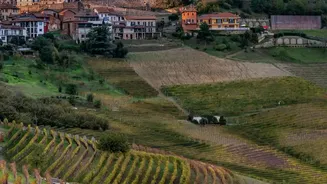
The Chiantigiana is dotted with picturesque towns worth exploring. Greve in Chianti, often called the gateway to the region, is a must-stop with its unique triangular piazza surrounded by arcades and local shops. Further south, Panzano offers panoramic views, while Castellina in Chianti reveals its past as a military outpost for Florence. A worthy detour is the town of Monteriggioni, an incredible example of a medieval walled fortress that looks as if it has been frozen in time. Walking its intact walls offers a true sense of its historical importance as a defensive bastion against Siena.
Vineyards, Olive Oil, and Culinary Delights
A road trip through Chianti would be incomplete without indulging in its world-famous food and wine. Many wineries, from grand castles like Castello di Brolio to smaller family-run 'agriturismos', offer tours and tastings. Booking in advance is often a good idea, especially in peak season. Beyond the celebrated Chianti Classico wine, look for locally produced extra virgin olive oil, which has a distinct peppery flavour. Don't miss the chance to try other local specialties like Vinsanto, a sweet dessert wine traditionally served with almond biscuits, or dishes featuring wild boar and Chianina beef.
Practical Tips for Driving in Tuscany
Driving in Tuscany is a joy, but some preparation helps. Rent a smaller vehicle if possible, as it will make navigating narrow village streets and parking much easier. Be mindful of ZTL zones (Zona a Traffico Limitato), which are restricted traffic areas in the historic centres of most towns and cities, including Florence and Siena. Parking is usually found in designated lots outside the ancient walls. An International Driving Permit (IDP) is legally required for non-EU drivers and can be obtained in your home country before you travel. The best times to visit are in the spring (May-June) and fall (September-October) for pleasant weather and fewer crowds.
Arrival in Siena: A Gothic Masterpiece
As the SR222 nears its end, you arrive in Siena, Florence's historic rival. The city offers a dramatic contrast to the Renaissance grandeur of your starting point. Its identity is forged in Gothic architecture, with narrow brick alleys that all lead to the magnificent Piazza del Campo, a shell-shaped main square that is one of the finest in Europe. This is the site of the famous Palio horse race and the heart of Sienese life. Spend time wandering its car-free streets, climbing the Torre del Mangia for a panoramic view, and absorbing the proud, medieval spirit of this captivating city.