




Why Sweet Potato Chaat for Fasting?
During Navratri, the diet shifts towards 'sattvic' foods, which are light and pure. Sweet potatoes, or 'shakarkandi', fit perfectly within these guidelines. They are a nutritious root vegetable, naturally sweet, and provide sustained energy, making them
a healthier alternative to deep-fried snacks. Unlike regular potatoes, sweet potatoes are packed with fibre, vitamins, and minerals, helping you feel full and energised throughout the day. A simple chaat made from this superfood is low-fat, easy to digest, and incredibly flavourful, striking the perfect balance between a fulfilling snack and a light meal that aligns with the spiritual observance of the festival.
Gathering Your Vrat-Friendly Ingredients
To prepare this chaat, you will need ingredients specifically permitted during Navratri fasting. The core component is sweet potatoes. For the seasoning and dressing, ensure you use vrat-compliant spices. Here is a typical list: 2-3 medium sweet potatoes, 1 tablespoon of ghee or oil, sendha namak (rock salt) to taste, and 1 teaspoon of black pepper powder. For the toppings, you can use ½ cup of thick curd (dahi), 1 tablespoon of lemon juice, finely chopped green chillies, and a handful of pomegranate seeds for garnish. Roasted peanuts can also be added for a welcome crunch. Remember, regular table salt, onion, and garlic are strictly avoided.
Permitted Spices for Flavour
While many spices are avoided during Navratri, several are permitted to add flavour to your dishes. For this chaat, roasted cumin powder (bhuna jeera) is essential for an earthy aroma. You can also use dry mango powder (amchur) for tanginess if your family traditions allow it. Other permitted spices include green cardamom, cloves, and cinnamon, though they are more commonly used in sweets. The key is to stick to spices that are 'sattvic' or pure in nature and avoid overly heating ones like red chilli powder, which is generally replaced with black pepper.
Step 1: Cooking the Sweet Potatoes
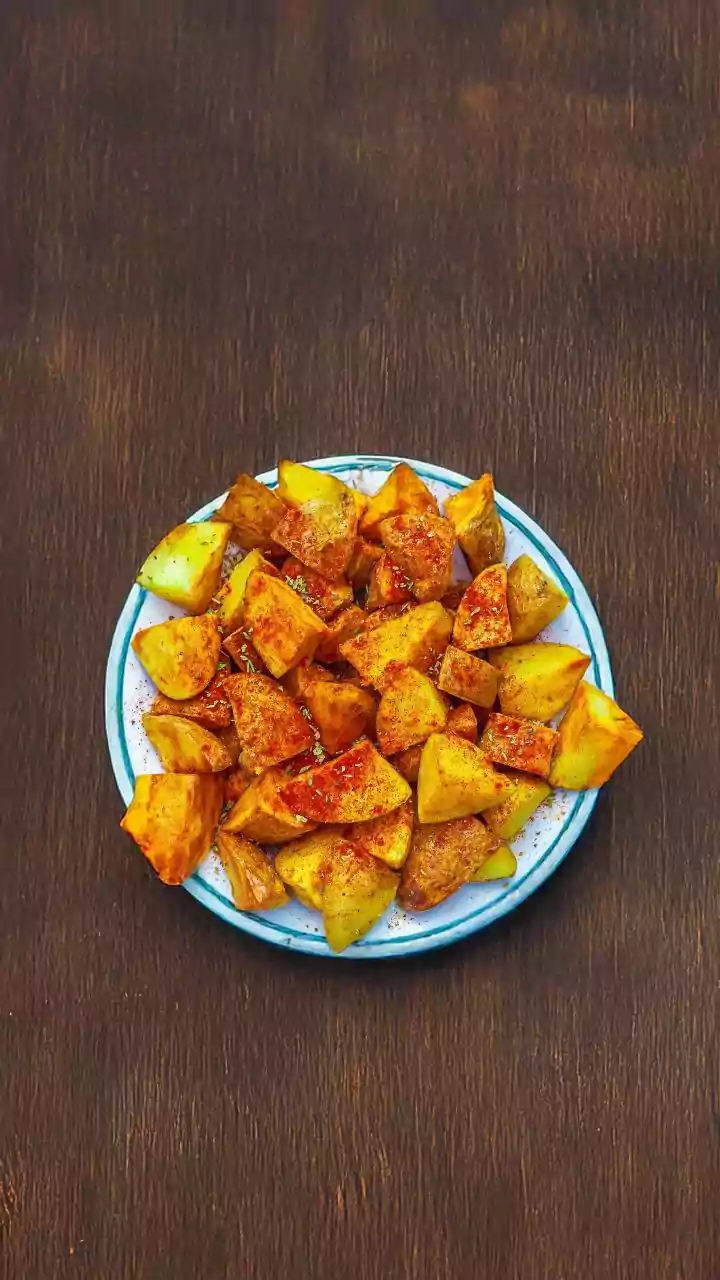
The first step is to cook the sweet potatoes until they are tender but not mushy. You can do this by boiling, steaming, or pressure cooking them. To boil, wash the sweet potatoes thoroughly, place them in a pot, and cover them with water. Cook for about 15-20 minutes until a fork can be easily inserted. Once cooked, allow them to cool down slightly before peeling off the skin and cutting them into bite-sized cubes. For a crispier texture, some recipes suggest slicing the boiled sweet potatoes into rounds and then pan-frying them in ghee until golden brown or using an air fryer for a healthier alternative.
Step 2: Assembling Your Snack Bowl
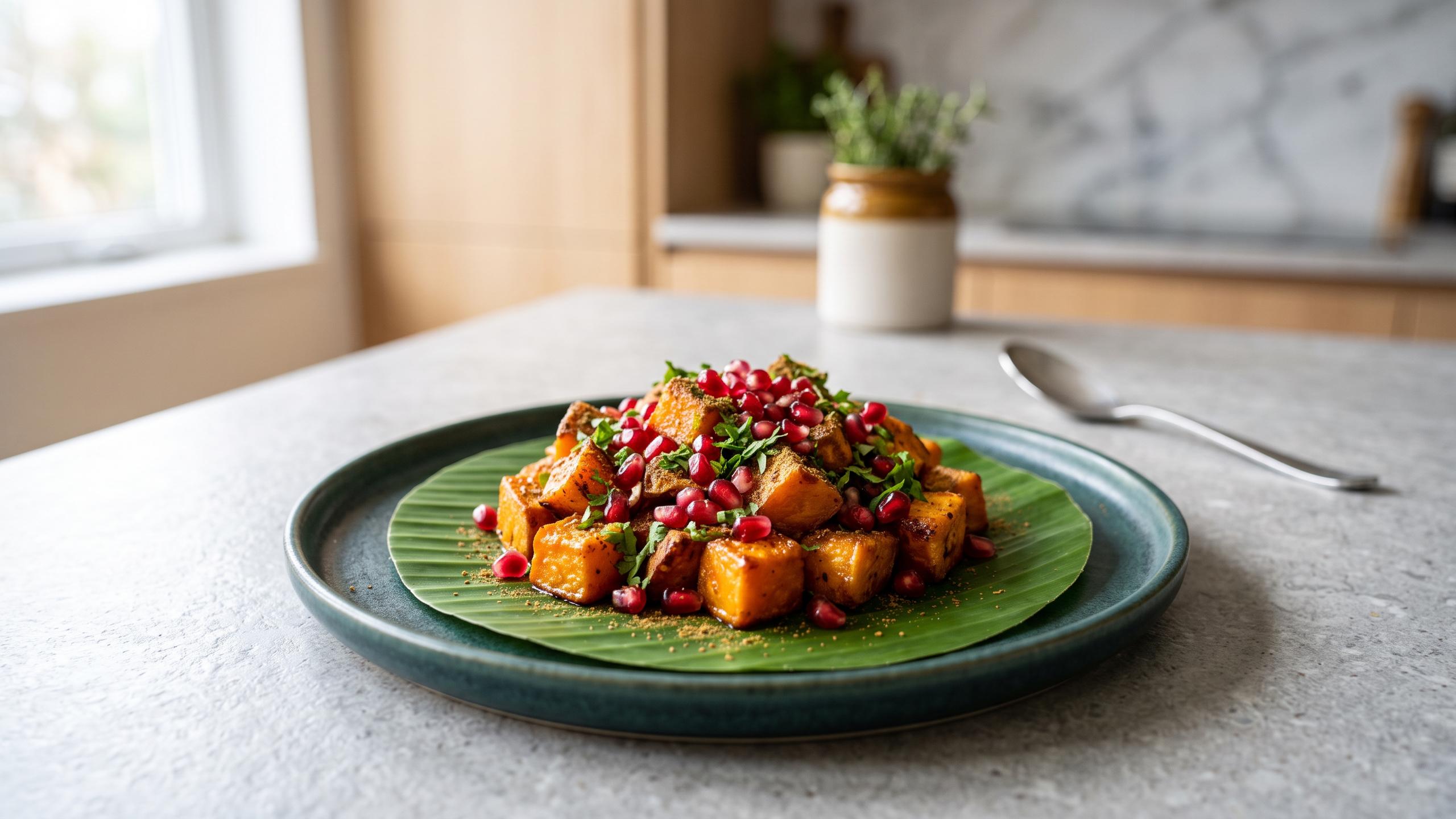
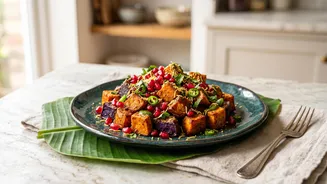
Once your sweet potato cubes are ready, the final assembly is quick and easy. In a mixing bowl, gently combine the warm sweet potato pieces with sendha namak, black pepper powder, and roasted cumin powder. Drizzle fresh lemon juice over the top and give it a gentle toss. To serve, arrange the seasoned sweet potatoes on a plate. Top with a generous dollop of whisked curd, followed by vrat-friendly green coriander chutney and sweet tamarind chutney, if using. Finally, garnish with a sprinkle of vibrant pomegranate seeds, chopped fresh coriander, and roasted peanuts for extra texture. Your delicious Navratri snack bowl is now ready to be enjoyed.