





Where Does This Number Come From?
The $750 billion figure isn't from a single government budget announcement or one specific law. Instead, it’s an estimated investment requirement that has been widely cited by analysts and experts in reference to India’s ambitious clean energy transition.
Various reports and studies have calculated that India needs an investment in this range to achieve its climate goals by 2030, particularly the target of installing 500 gigawatts (GW) of non-fossil fuel energy capacity. Think of it less as a formal government allocation and more as a comprehensive price tag for a nationwide transformation, covering everything from solar and wind farms to grid infrastructure and energy storage solutions. It represents the total capital, from both public and private sectors, required to build a green energy future.
Planned Ambition vs. Money in the Bank
Herein lies the crucial distinction. This figure represents a financial target, not money that has already been collected and set aside. When policymakers and experts talk about this sum, they are referring to the total investment needed over several years to meet specific objectives. It’s a roadmap, a signal to global and domestic investors about the scale of opportunity in India's green sector. The actual funding is expected to come from a variety of sources: central and state government budgets, public sector undertakings, foreign direct investment (FDI), and, most significantly, the private sector. The government's role is often to create policies, like Production-Linked Incentive (PLI) schemes, that de-risk these investments and attract private capital.
What Sectors Will This Investment Target?
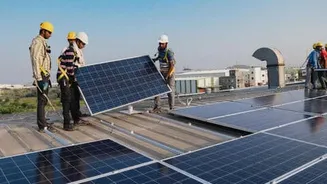
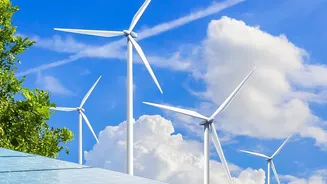
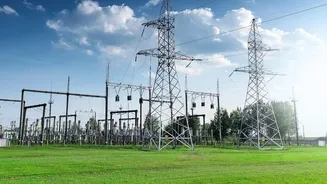
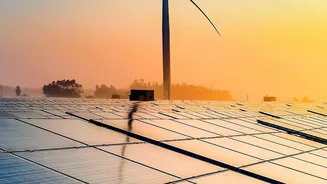
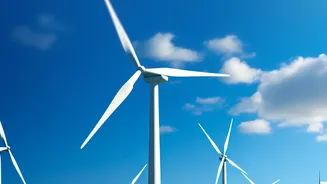
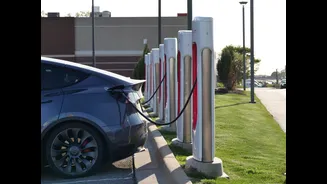
The investment is aimed at a wholesale transformation of India's energy landscape. The primary target is the massive expansion of renewable energy generation, chiefly solar and wind power. To reach 500 GW of non-fossil capacity by 2030, India needs to consistently add tens of gigawatts of new capacity each year. But generating green power is only half the battle. A huge portion of the planned investment must go into supporting infrastructure. This includes building a robust national grid to transmit electricity from renewable-rich states to demand centers, and massive investments in energy storage, such as batteries and pumped hydro, to ensure power is available even when the sun isn't shining or the wind isn't blowing. Other key areas include electric mobility, green hydrogen production, and making heavy industries like steel and cement less carbon-intensive.
The Timeline and Hurdles Ahead
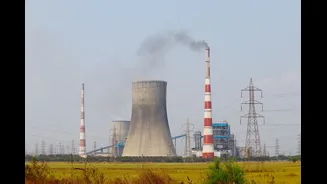
This is not a short-term spending spree. The investment is projected over the period leading up to 2030 and beyond. India has already achieved some of its climate targets ahead of schedule, such as reaching over 50% of its installed electricity capacity from non-fossil sources. However, the journey ahead is challenging. One of the biggest hurdles is the gap between installed capacity and actual power generation, as renewables are intermittent. Coal still dominates actual electricity production. Mobilising the required level of private and international finance remains a significant challenge, with current investment flows covering only a fraction of the estimated need. Furthermore, building out the necessary infrastructure, from transmission lines to battery factories, requires overcoming logistical and regulatory bottlenecks.