





The Vande Bharat Revolution
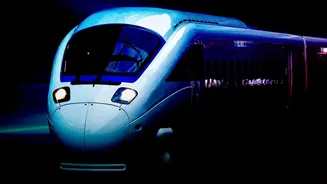
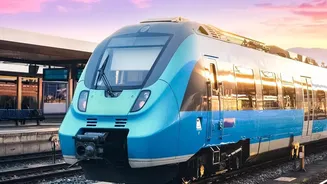
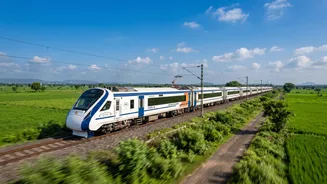
The Vande Bharat Express, initially known as Train 18, represents a significant leap in India's public transport infrastructure. Designed and manufactured in India at the Integral Coach Factory in Chennai, these trains are a cornerstone of the 'Make in India' initiative.
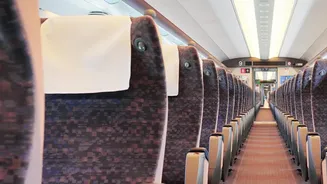
They are self-propelled electric multiple units (EMUs), meaning they don't require a separate locomotive, which allows for faster acceleration and deceleration. With features like automatic doors, onboard Wi-Fi, GPS-based passenger information systems, and bio-vacuum toilets, they offer a comfortable and modern travel experience. While capable of hitting speeds of up to 180 km/h in trials, their operational speed is typically capped at around 160 km/h due to track limitations, with average speeds being lower. Still, they have significantly reduced travel times on many key routes.
Delhi: The Northern Nexus
As the national capital, Delhi serves as a primary hub for the Vande Bharat network. The very first Vande Bharat Express was launched from New Delhi to Varanasi in 2019, drastically cutting the journey time to just eight hours for the 759-kilometre trip. This route remains one of the fastest in the country. Another crucial service connects New Delhi to Shri Mata Vaishno Devi Katra, a major pilgrimage route, completing the 655-kilometre journey in about eight hours. Other services link Delhi to cities like Bhopal, Amb Andaura in Himachal Pradesh, and Ajmer, making it the most connected city in the Vande Bharat network and a critical node for travel across North India.
Mumbai: Connecting the West Coast
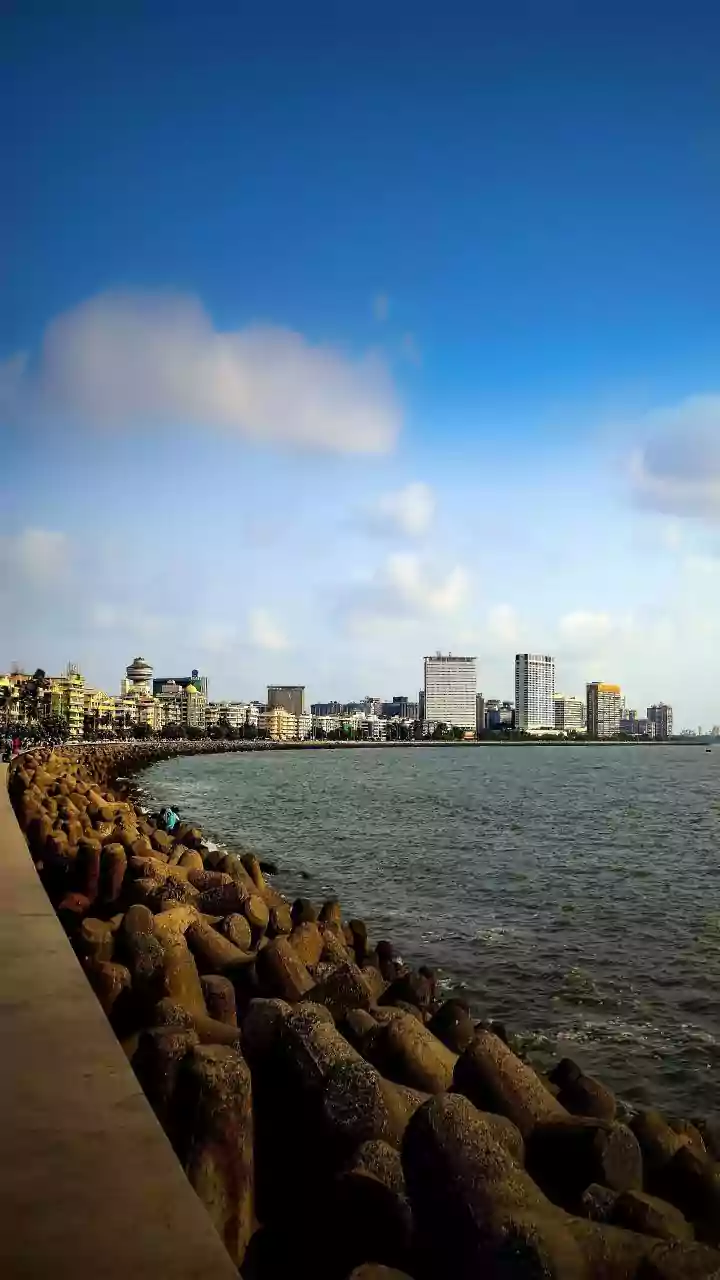
Mumbai, the financial capital, boasts several key Vande Bharat services that enhance connectivity along the western corridor. One of the most prominent routes connects Mumbai Central with Gandhinagar Capital, a vital link for business travellers that covers the distance in about six and a half hours. Indian Railways has also launched services from Mumbai's Chhatrapati Shivaji Maharaj Terminus (CSMT) to Solapur and Sainagar Shirdi, catering to both business and pilgrimage traffic. More recently, a much-anticipated sleeper version of the Vande Bharat has been approved for the Mumbai-Bengaluru route, promising to transform overnight travel between these two tech hubs.
Chennai: A Gateway to the South
Manufactured in Chennai, it's fitting that the city is also a key hub for Vande Bharat services in the South. The MGR Chennai Central to Mysuru route, passing through Bengaluru, is a flagship service, connecting three major cities in Southern India and covering the 500-kilometre distance in about six and a half hours. Another popular service links Chennai with Coimbatore, praised for its speed and efficiency over the nearly 500-kilometre journey. Further routes connect Chennai Egmore to southern cities like Tirunelveli, solidifying the train's role in boosting regional trade, tourism, and travel convenience across Tamil Nadu and neighbouring states.
Patna: Boosting Eastern Connectivity
Patna has emerged as a vital link in the Vande Bharat network for Eastern India. The service connecting Patna to Ranchi has been a game-changer, reducing travel time between the capitals of Bihar and Jharkhand to just six hours for the 379-kilometre journey. Another service connects Patna with Howrah, creating a fast and efficient corridor between Bihar and West Bengal. There is also a service linking Patna to New Jalpaiguri, which serves as a gateway to the Northeast. These routes are crucial for improving connectivity in a region where faster train services can significantly boost economic activity and make travel more accessible for millions.