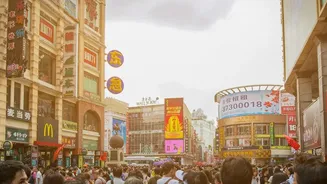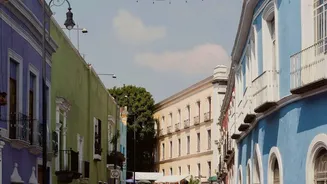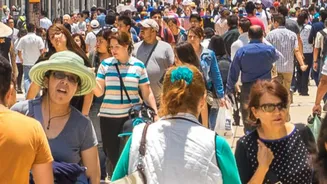



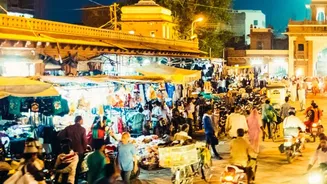
In a world built for cars, there's a unique magic to reclaiming the streets for people. Pedestrian-only shopping areas offer more than just retail—they create vibrant hubs for culture, community, and connection. Here's why they work so well.
The Modern Blueprint in Copenhagen
Copenhagen's
Strøget is often hailed as a pioneer in modern pedestrianization. In 1962, the city made the then-controversial decision to ban cars from this central artery, transforming it from a traffic-clogged road into one of Europe's longest pedestrian shopping areas. Initially a temporary experiment, the move was met with skepticism from shopkeepers who feared losing customers. However, the opposite happened: business thrived, foot traffic soared, and the 'experiment' was made permanent. Today, Strøget isn't just one street but a network of interconnected, car-free zones linking City Hall Square to the King's New Square. It serves as a powerful example of how prioritizing people over cars can create a more pleasant and prosperous urban environment.
Medieval Charm in the Heart of York
For a journey back in time, few places compare to The Shambles in York, England. Often cited as one of the best-preserved medieval streets in the world, its origins are mentioned in the Domesday Book of 1086. The street's name comes from 'fleshammels', the Anglo-Saxon term for the shelves butchers used to display meat. For centuries, it was the city's main street for butchers, with some buildings dating back to the 14th century. Its distinctive timber-framed houses feature jettied upper floors that overhang the narrow, cobbled lane—a design that helped keep the sun off the meat in an era before refrigeration. Today, the butcher shops are gone, replaced by quaint cafes, boutiques, and bookshops, but walking through The Shambles still feels like stepping into another century.
Europe's Longest Retail Artery
Stretching over 1.2 kilometers, the Rue Sainte-Catherine in Bordeaux, France, holds the title of Europe's longest pedestrian shopping street. Following the path of an ancient Roman road, this bustling thoroughfare connects the Place de la Comédie with the Place de la Victoire. It was fully pedestrianized in 1984 and has since become the commercial heart of the city, attracting locals and tourists alike. The street is a blend of major international brands and smaller, independent shops, particularly in the student-friendly southern section. Its sheer length and variety of stores make it a paradise for shoppers, while its numerous cafes and historic side arcades, like the 19th-century Galerie Bordelaise, offer plenty of reasons to linger.
The Energetic Hub of Seoul
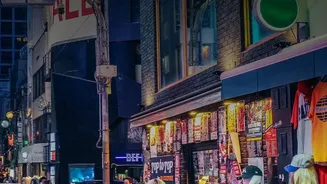
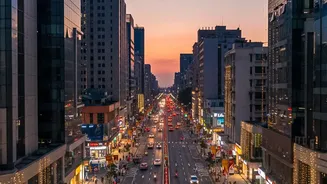
Myeongdong in Seoul captures the vibrant energy of modern South Korea. This district is not a single street but a grid of pedestrian-friendly lanes packed with cosmetic shops, global fashion brands, and department stores. Known as the epicenter of K-beauty, shoppers flock here for the latest skincare and makeup innovations. But the appeal goes beyond retail. As day turns to night, the streets come alive with the glow of neon signs, the sound of Kpop, and the irresistible aroma of street food from countless stalls selling everything from grilled skewers to sweet pancakes. It's a true sensory experience, blending commerce, culture, and cuisine in a way that feels distinctly Seoul.
The Benefits of Going Car Free
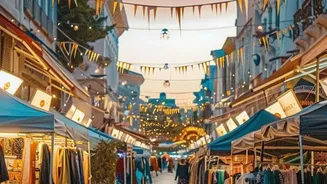
The success of these streets isn't accidental. Pedestrian only zones deliver tangible benefits for cities and their residents. Economically, they consistently boost retail sales by increasing foot traffic and encouraging shoppers to linger and explore. Socially, they transform streets from simple transit corridors into public living rooms, fostering community interaction and creating a safer, more relaxed atmosphere. Environmentally, removing cars reduces noise and air pollution, contributing to a healthier urban setting. By turning shopping into an experience rather than a task, these streets demonstrate a powerful lesson in urban design: when you build cities for people, they thrive.