

Bengaluru Takes Centre Stage
In April 2026, Bengaluru hosted the second edition of the International Conference on Spacecraft Mission Operations, or SMOPS-2026. Jointly organised by the Indian Space Research Organisation (ISRO), the Astronautical Society of India (ASI), and the International Academy
of Astronautics (IAA), the event brought together the brightest minds from global space agencies like NASA and ESA, along with industry leaders and startups. The theme, “Innovative Operations for Smart and Sustainable Space Mission Management – Next Generation,” set a clear agenda: the future of space exploration is intelligent, automated, and collaborative. The choice of Bengaluru, India's space and tech capital, was a fitting backdrop for discussions on the next frontier.
The Old Way: A Room Full of Geniuses
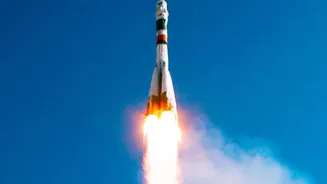
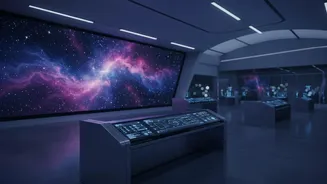
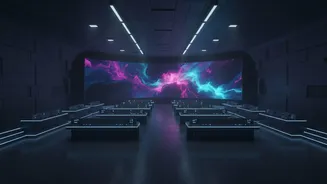
Traditionally, mission control is a scene of intense human focus. Think of a large room filled with rows of consoles, each screen displaying torrents of data, with dozens of engineers monitoring every single aspect of a spacecraft's journey. From launch to orbital insertion, every manoeuvre has been managed by highly skilled but human teams. This model, which took humanity to the Moon and Mars, has served us well. However, as space ambitions grow, with plans for satellite constellations, space stations, and more frequent interplanetary missions, this human-centric approach is reaching its limits.
The New Way: AI in the Co-Pilot's Seat
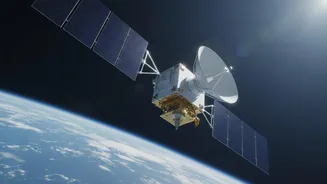
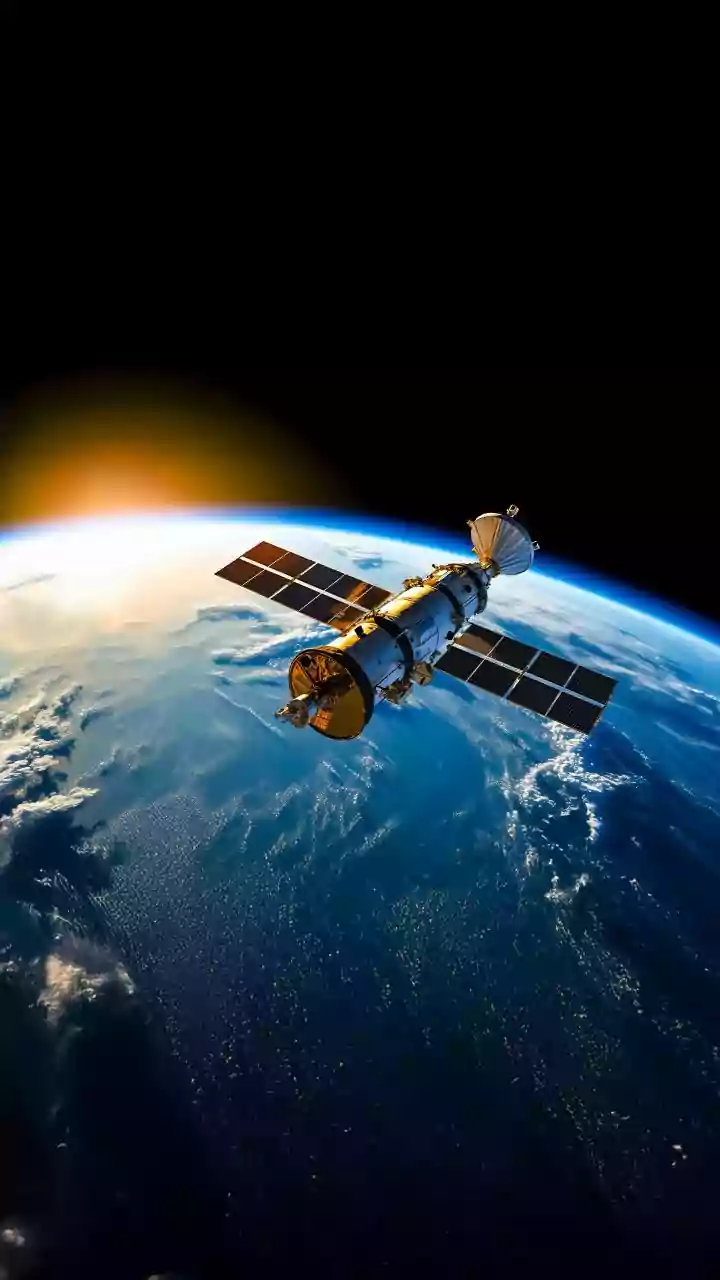
Automated mission control represents a fundamental paradigm shift. It involves leveraging Artificial Intelligence (AI) and machine learning to handle many of the routine and complex tasks of spaceflight. Instead of engineers manually monitoring telemetry data, AI algorithms can sift through terabytes of information in real-time, predict anomalies before they become critical, and even execute routine manoeuvres autonomously. This doesn't mean removing humans from the equation. Instead, it elevates their role from operators to overseers, allowing them to focus on critical decision-making and scientific objectives, while the AI handles the cognitive heavy lifting.
Why ISRO Is Embracing Automation
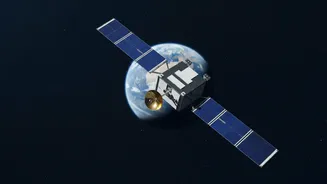
For ISRO, the push towards automation is a strategic necessity. The organisation's roadmap is packed with ambitious projects, including the Gaganyaan human spaceflight mission, the Bharatiya Antariksh Station (BAS), and further exploration of the Moon and Mars. Managing this expanding portfolio with the traditional mission control model is simply not scalable. Automation will allow ISRO to operate more missions simultaneously, improve the efficiency and safety of operations, and reduce the chances of human error. It is also crucial for complex, long-duration missions where constant communication with Earth is not feasible, requiring the spacecraft to make its own decisions. Projects like the SpaDeX automated docking experiment are critical steps in building this capability.
The Road Ahead: Building Trust in Machines
The transition to automated systems is not without its challenges. Developing AI that is robust, reliable, and trustworthy enough for mission-critical applications is a monumental task. The systems must be validated through rigorous testing and simulation before they can be deployed on multi-crore missions. Furthermore, as India's space sector opens up to private players, establishing clear policies and standards for AI in space becomes paramount. Conferences like SMOPS-2026 are vital for fostering the global collaboration needed to address these challenges and build a shared framework for a safe and sustainable automated future in space.