


Our Sun's Invisible Shield
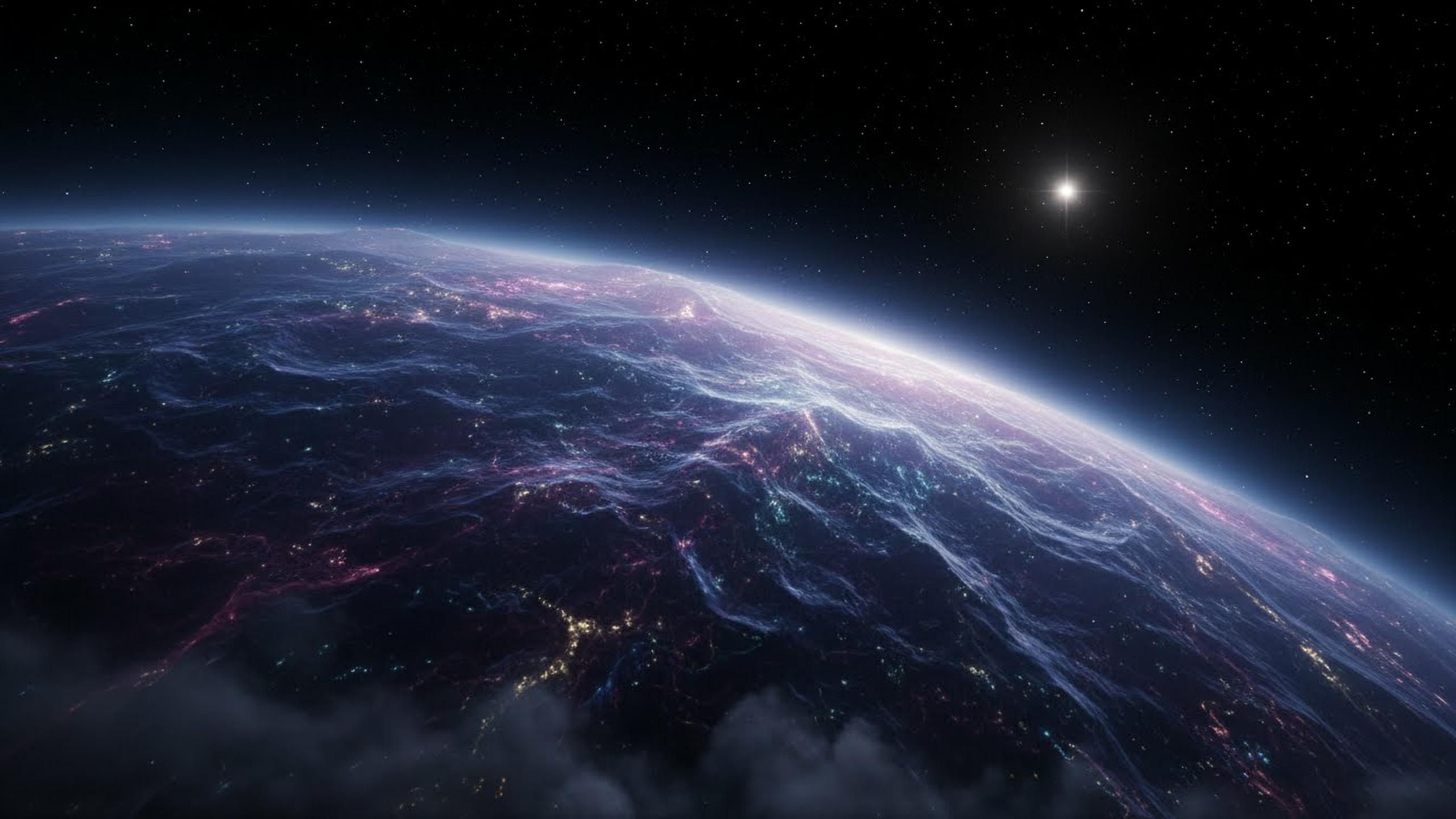
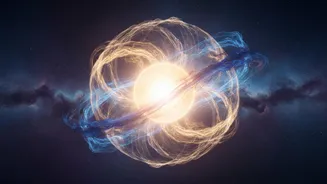
Imagine the entire solar system, from the Sun to beyond Pluto, enclosed in a massive, invisible bubble. This isn't science fiction; it's the heliosphere. This vast bubble is continuously inflated by the solar wind, a constant stream of charged particles
flowing outward from the Sun at hundreds of kilometers per second. As this wind travels into deep space, it pushes against the interstellar medium—the gas and dust that fills the space between stars. The boundary where the solar wind's push balances the pressure from the galaxy is the edge of our solar system's sphere of influence. This protective layer is crucial; it shields us from a significant portion of dangerous galactic cosmic rays, high-energy particles that could damage DNA and disrupt technology.
Meet NASA's New Cosmic Cartographer
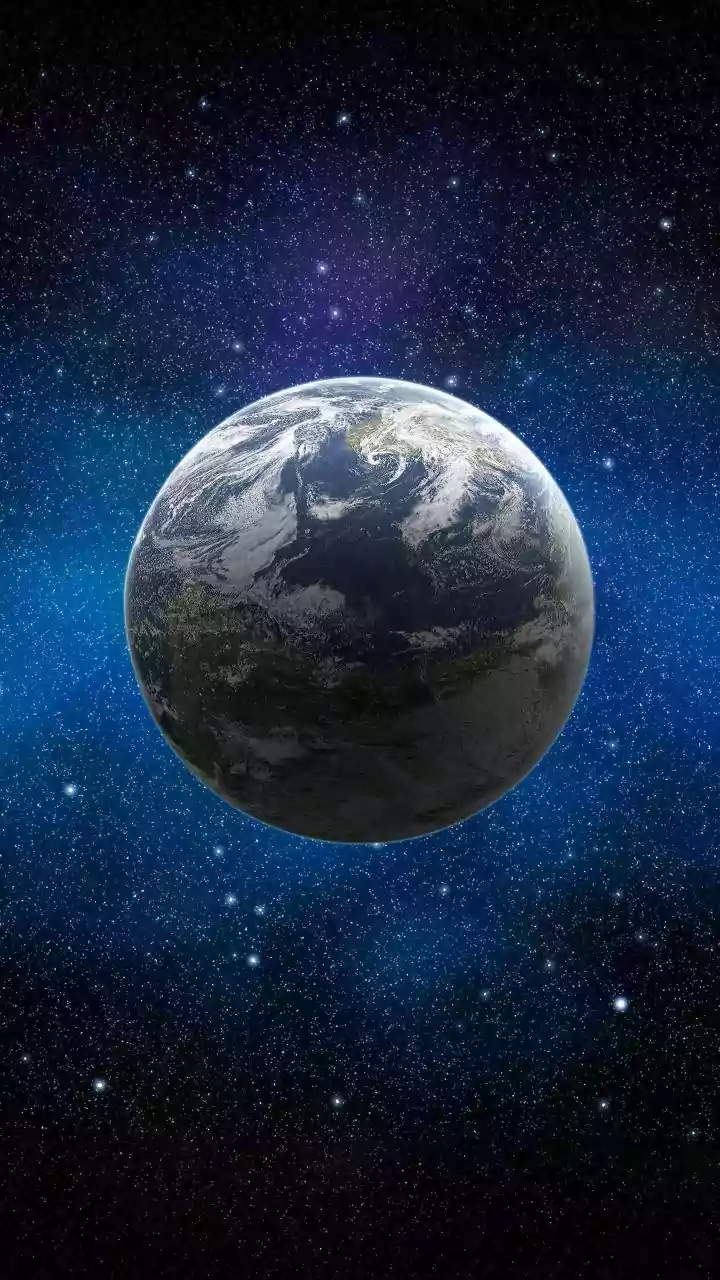
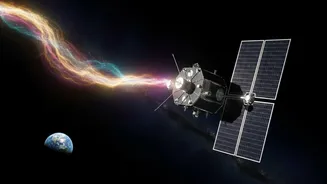
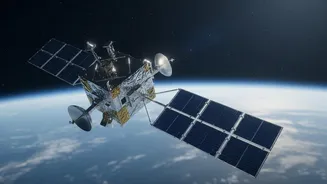
For decades, our only direct information from the edge of the heliosphere came from the legendary Voyager spacecraft, which took decades to reach it. Now, we have a dedicated mapmaker: the Interstellar Mapping and Acceleration Probe, or IMAP. Launched in September 2025, IMAP is a state-of-the-art observatory stationed about 1.5 million kilometers from Earth in the direction of the Sun. From this strategic vantage point, its suite of ten sophisticated instruments can simultaneously sample particles coming from the Sun and those arriving from the interstellar medium. IMAP’s mission is to create the first comprehensive map of the heliosphere's boundaries and understand how it interacts with the galaxy around it.
The First Data Release is Here
The exciting news for scientists and space enthusiasts is that the first major batch of IMAP's science data has just been made public. While the probe has been collecting information since late 2025, this release, announced in early August 2026, makes data from seven of its ten instruments available to the global scientific community. This initial dataset includes measurements of the solar wind’s speed, temperature, and density, as well as the strength and direction of the Sun's magnetic field that flows through space. It also contains information on energetic particles from both solar events and deep space. This isn't just a trickle of information; it's the opening of a firehose that will reshape our understanding of our home in the cosmos.
What the Data Can Tell Us
So, how do we 'read' this data? Scientists interpret these streams of numbers by looking for patterns and connections. For instance, by comparing the data from different instruments, they can see how a gust in the solar wind affects the flow of particles at the edge of the heliosphere. This helps them understand how the heliosphere 'breathes'—expanding and contracting in response to the Sun’s 11-year activity cycle. They can also analyze the composition of interstellar atoms that penetrate the heliosphere, essentially sampling material from outside our solar system without having to travel light-years to get it. These initial readings provide a baseline, a snapshot of the current state of our cosmic environment that will be built upon for years to come.
Why This Shield Matters for Our Future
Understanding the heliosphere is not just an academic exercise. This protective bubble is what makes the solar system habitable. A stronger heliosphere means better protection from galactic radiation, while a weaker one could increase risks for life and technology. As humanity plans for long-duration space missions, like trips to Mars, knowing the radiation environment is critical for astronaut safety. IMAP's data also feeds into real-time space weather forecasting, providing advance warning of solar storms that could threaten satellites, power grids, and communications systems on Earth. By reading the secrets of our solar system's shield, we are not only learning about the universe but also safeguarding our future within it.