



What Exactly Happened?
On Friday, November 13, the FAA ordered a nationwide ground stop that lasted for more than four hours, halting all departing flights across the United States. The decision was made out of an abundance of caution after a critical telecommunications system
began to fail. Officials reported that intermittent communications and radar gaps appeared at 17 of the nation's 22 air traffic control centers. This meant controllers could not reliably communicate with pilots, creating a significant safety risk and forcing the agency to prevent more planes from entering the sky. While thousands of flights already in the air were able to land safely, the unprecedented stoppage immediately began to snarl the nation's complex aviation network.
The Cause: An Upgrade Gone Wrong
The massive system failure appears to have stemmed from routine maintenance. According to Transportation Secretary Sean Duffy, a federal contractor, L3Harris, was in the process of upgrading the FAA's telecommunications network, switching old copper wires to modern fiber optic cables. The investigation has focused on newly installed routers at remote facilities in Arkansas and Texas. These new routers began flooding the FAA network with massive amounts of data—reportedly a thousand connection attempts every few seconds—overwhelming the legacy equipment and causing system-wide instability. While there is no evidence of a cyberattack, officials are investigating whether the issue was caused by faulty equipment or contractor error during the installation.
Immediate Chaos and Cancellations
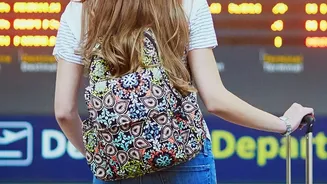
The impact on travelers was immediate and severe. The ground stop, the longest of its kind in 25 years, resulted in more than 9,000 flight cancellations on Friday alone, with thousands more delays. Airports across the country devolved into scenes of chaos as departure boards turned red with cancellations and terminals swelled with stranded passengers. With planes unable to take off, gates quickly filled up, leading to further logistical nightmares for incoming flights. Many travelers were left scrambling for rental cars, hotels, or any alternative means of reaching their destinations, with some facing waits of a day or more for a new flight.
The Ripple Effect: Why Delays Continue
Even after the FAA lifted the ground stop and stabilized the system Friday evening, the problems were far from over. The initial disruption created a massive 'ripple effect' that continued through the weekend, with thousands of additional flights cancelled on Saturday and Sunday. The U.S. aviation system is a tightly choreographed dance of aircraft and personnel. When a multi-hour shutdown occurs, planes and crews are left out of position across the entire country. An aircraft that was supposed to fly from Chicago to Denver and then on to Los Angeles might still be stuck on the ground in Chicago. Its flight crew may then 'time out', meaning they have reached their legal limit for work hours and cannot fly again until they have had a mandatory rest period. Repositioning thousands of planes and crews is a monumental logistical challenge for airlines, leading to a cascade of cancellations and delays that can take days to fully resolve.