






The Undeniable Allure of Green Exercise
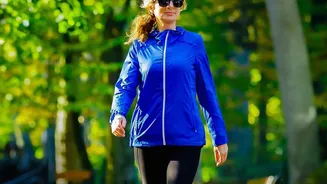
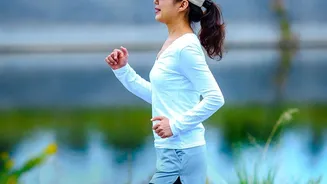
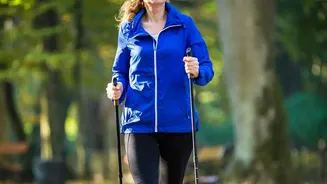
The concept of 'green exercise'—any physical activity performed in a natural environment—is backed by compelling science. Research consistently shows that taking your workout outdoors amplifies its benefits. Exercising in parks, on trails, or even on tree-lined
streets can lead to greater feelings of revitalisation, reduced stress, and improved mood. Studies have found that it can lower blood pressure, enhance focus, and even make physical activity feel less strenuous than the same workout performed indoors. In fact, some researchers suggest the biggest psychological boost happens within the first five minutes of activity, highlighting an immediate mental health benefit. In a world of high-stress jobs and digital overload, the promise of green exercise feels like a natural, accessible remedy—a way to connect with nature while improving both physical and mental well-being.
Aspirational Wellness vs. Ground Reality
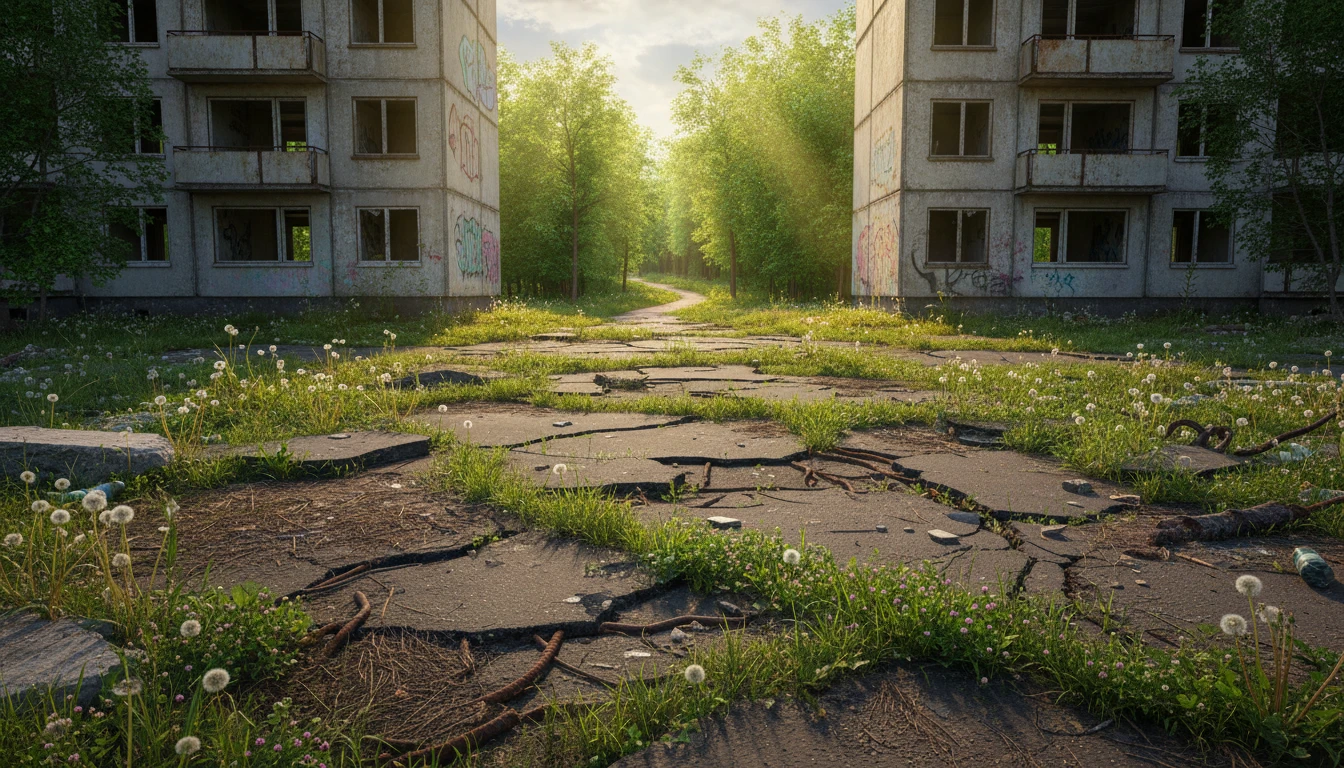
This idyllic vision, however, evaporates when faced with the condition of public spaces in many Indian cities. For a large portion of the population, the neighbourhood park is not a serene sanctuary. It is often a poorly lit, ill-maintained area with little to no security. Surveys have revealed a stark reality where basic amenities like functional toilets and clean drinking water are absent, and parks become unusable after dark due to safety concerns. A study in Delhi found that even when security guards were present, they were sometimes the source of harassment. This problem is not just about comfort but fundamental safety. With crime against women showing a concerning upward trend, the fear of violence is a powerful deterrent. For many, especially women, the calculation of risk far outweighs the potential wellness benefits, turning the simple act of a morning run into a source of anxiety.
The Privilege of a Walk in the Park
The ability to participate in green exercise is, therefore, not a universal option but a privilege. It is a privilege of geography, afforded to those living in well-funded neighbourhoods with secure and well-maintained parks. It is also a privilege of gender. Studies and surveys repeatedly show that women in India feel a heightened sense of fear in public spaces and modify their behaviour accordingly. Many feel their presence in public is only tolerated for a specific purpose, like commuting or shopping, not for leisure. Data from 2025 indicated that 40% of women in urban India do not feel completely safe in their city. This pervasive sense of vulnerability means their access to public life, including recreational spaces, is severely restricted. When a woman has to constantly look over her shoulder, clutch her phone, and weigh the risks of harassment or assault, the restorative benefits of green exercise become a distant dream.
First Things First: Safe Spaces Before Wellness Trends
Promoting green exercise without first addressing the crisis of public safety is putting the cart before the horse. The responsibility for public well-being cannot be offloaded onto individuals as a lifestyle choice when the foundational infrastructure for that choice is broken. The solution is not to build more exclusionary 'pink parks' or female-only carriages, which only reinforce the idea that the public sphere belongs to men. Instead, the focus must be on systemic change. This involves investing in basics: adequate and consistent lighting, clean and accessible facilities, and professionally trained security. It requires urban planning that prioritises equitable access, ensuring that low-income areas are not left behind. More importantly, it means fostering a culture of inclusivity by designing spaces that encourage activity from diverse groups at all hours, making them safer through a sense of community ownership and constant, positive use. The right to the city does not end at sunset.