




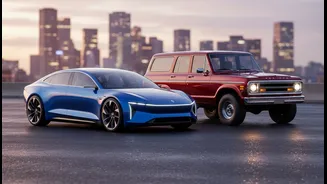
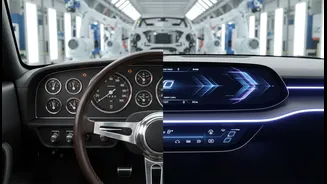


First, What Are CAFE Standards?
Corporate Average Fuel Economy, or CAFE, standards are US regulations that require automakers to meet a certain average fuel efficiency level across their entire fleet of vehicles sold each year. First enacted in 1975 to reduce energy consumption after
the oil crisis, the goal is straightforward: push car companies to build and sell more fuel-efficient cars. Think of it not as a rule for a single car, but as a fleet-wide average. A company can still sell a gas-guzzling truck, but it must be balanced out by selling enough high-efficiency sedans, hybrids, or electric vehicles (EVs) to meet its overall target. These standards get stricter over time, forcing continuous innovation in engine technology, vehicle weight reduction, and the adoption of alternative fuels.
The Currency of Compliance: Efficiency Credits
So what happens if a carmaker does better than the required average? They generate credits. If they fall short, they create a deficit and face penalties. This has created a flexible, market-based system. Automakers who over-comply, often those with strong EV or hybrid lineups, can sell their surplus credits to other manufacturers who are struggling to meet their targets. For example, a company focused on trucks and SUVs might buy credits from a company that sells a lot of EVs. Currently, companies can also carry forward credits they've earned for up to five years to offset a future shortfall. This system provides a crucial buffer, allowing for flexibility in product planning and technological development.
The New Proposal: Banking Credits for a Rainy Day
The upcoming CAFE III regulations, proposed to take effect around fiscal year 2027-28, aim to further tighten efficiency targets significantly. Within this proposal is a key change to the credit system: potentially allowing automakers to 'bank' or carry forward their surplus credits for a longer period. While the specifics are still being debated, the core idea is to give manufacturers who invest heavily in efficiency and electrification now more breathing room in the future. This would allow them to stockpile credits during years of over-performance and use them later, potentially a decade or more down the line, when standards are even tougher or their product mix changes.
The Automaker Argument for Flexibility
Automakers argue that this enhanced banking ability is essential for stability in a volatile market. The transition to electric vehicles is incredibly expensive and unpredictable. Consumer demand for EVs can fluctuate, supply chains can be disrupted, and new technologies take years to develop and scale. Proponents say that allowing them to bank credits provides a predictable cushion. It incentivizes them to over-invest in highly efficient technologies today, knowing that the credits earned won't expire before they can be used to offset the production of other profitable, but less efficient, vehicles that customers may still demand in the coming years. Without this flexibility, they argue, the risk of falling short of increasingly steep targets could force them to limit vehicle choices or raise prices significantly.
Environmental Concerns and Weaker Incentives
On the other side, environmental groups and policy analysts worry that extended credit banking could undermine the very purpose of the CAFE standards. The regulations are designed to force consistent, year-over-year improvements in fuel economy. If a company can build up a massive bank of credits, critics fear it could allow them to coast for several years without making meaningful new investments in efficiency. An automaker could, in theory, continue selling a profitable but less-efficient fleet of trucks and SUVs for longer than intended, simply by drawing down its savings account of old credits. This could slow the overall pace of emission reductions and delay the broader market transition to cleaner vehicles.
What It Means for Car Buyers
The final decision on credit banking will have a direct impact on the cars available in showrooms and their prices. More flexibility for automakers could help keep the prices of popular gasoline-powered vehicles more stable, as manufacturers wouldn't be forced into costly, last-minute measures to meet annual targets. However, it could also mean that the push toward a wider variety of affordable hybrids and EVs slows down. The stricter the annual enforcement, the more pressure there is on carmakers to innovate and market their most efficient models. The outcome of this regulatory debate will help determine the speed of the auto industry's evolution and the balance between corporate strategy and climate goals.