





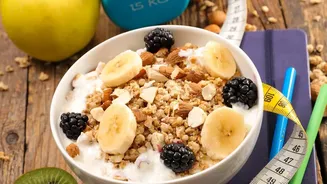


The Foundation: Calories and Protein
Before we talk about specific meals, let's cover the two most important rules. First, you need to be in a slight calorie surplus. This means consuming slightly more calories than your body burns, providing the energy needed for muscle growth. Second,
and most critically, is protein. Protein provides the amino acids that are the literal building blocks for repairing and growing muscle tissue. Current research suggests a daily intake of 1.6 to 2.2 grams of protein per kilogram of your body weight is optimal for muscle gain. For an 80kg person, this means consuming between 128 and 176 grams of protein daily. The key is not just hitting the total number, but distributing it evenly throughout the day to keep muscle protein synthesis consistently elevated.
The Power Breakfast (7-9 AM)
Starting your day with a protein-rich meal kickstarts your metabolism and replenishes nutrients after an overnight fast. Skewing protein intake towards the end of the day is a common mistake; a balanced distribution is far more effective for muscle synthesis. Aim for at least 25-40 grams of protein in your first meal. This sets a strong foundation for meeting your daily goal. Excellent choices include masala egg bhurji (scrambled eggs) with whole-wheat toast, a moong dal or besan chilla stuffed with paneer, or a bowl of Greek yoghurt (chakka dahi) with fruit and nuts. Soya chunks, one of the highest vegetarian protein sources, can also be incorporated into a morning pulao or upma.
The Midday Refuel (1-3 PM)
Your lunch should be a balanced plate of lean protein, complex carbohydrates, and plenty of vegetables. Carbohydrates are essential as they replenish the glycogen stores that fuel your workouts. Don't be afraid of rice or rotis; they are your primary energy source. A practical lunch could be a generous portion of chicken or fish curry with brown rice and a side salad. For vegetarians, a combination of rajma or chana with rice, or a large bowl of thick dal with roti and a side of paneer sabzi, provides a complete amino acid profile. The goal is a substantial meal that leaves you energised, not lethargic.
Workout Nutrition and Smart Snacking
Nutrient timing becomes most relevant around your workout. About 1-2 hours before training, have a small meal rich in carbohydrates with some protein, like a banana with a scoop of peanut butter or a sweet potato. This ensures you have readily available energy. The post-workout window is crucial for recovery. Within 1-2 hours of finishing your workout, consume a fast-digesting protein and carbohydrate meal. This is where a whey protein shake excels, but whole food options like a few boiled eggs, grilled chicken, or a bowl of curd are also effective. Smart snacking between main meals with options like roasted chana, a handful of nuts, or a serving of paneer can help you hit your protein targets without feeling overly full at mealtimes.
Dinner for Overnight Repair (7-9 PM)
Your final meal of the day is all about providing your body with the nutrients it needs to repair and grow muscle tissue while you sleep. There's no need to avoid carbohydrates at night; they help with recovery and can improve sleep quality. A balanced dinner supports the anabolic (muscle-building) process overnight. A great option is grilled fish or chicken with sautéed vegetables and quinoa. Vegetarians can opt for a paneer tikka platter, a high-protein dal like dal makhani with rotis, or a tofu stir-fry. Including a serving of curd with your meal can also add a valuable protein boost before bed.
Hydration and Consistency Are Key
While food is the focus, proper hydration is non-negotiable. Water is essential for nutrient transport, digestion, and overall performance. Dehydration can significantly impair your ability to train hard and recover effectively. Finally, remember that consistency trumps perfection. You don't need to eat perfectly every single day. The best meal pattern is one you can stick to consistently over weeks and months. Building muscle is a marathon, not a sprint. Focus on hitting your calorie and protein goals with whole foods you enjoy, and the results will follow. The most effective diet is one that becomes a seamless part of your lifestyle, not a source of stress.