





What is Vehicle-to-Vehicle (V2V) Communication?
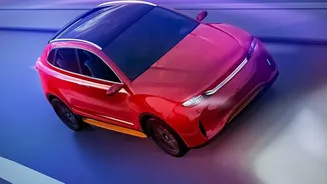
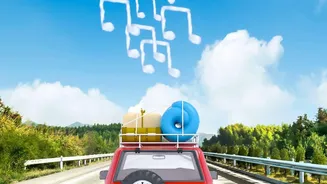
At its core, V2V technology allows vehicles to 'talk' to each other wirelessly, sharing real-time data about their speed, position, direction, and braking status. This isn't about connecting your phone for music; it's a dedicated safety system. Using
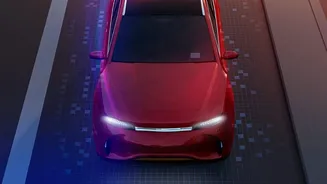
short-range radio signals in a specific frequency band, cars can constantly broadcast and receive messages, creating a 360-degree awareness of the surrounding traffic. Unlike cameras or radar, which can only see what's in their direct line of sight, V2V can warn a driver about a car that has suddenly braked several vehicles ahead or a vehicle approaching an intersection from a hidden angle. The technology is designed to complement, not replace, other safety systems like Advanced Driver Assistance Systems (ADAS).
The Government's Decisive Push
The latest context comes from a draft notification issued by the Ministry of Road Transport and Highways (MoRTH) in August 2026. This proposal outlines a clear roadmap to make V2V communication systems mandatory for all new vehicles manufactured from October 1, 2028. This mandate would apply across all major vehicle categories, including two-wheelers (Category L), passenger vehicles (Category M), and goods carriers like trucks and buses (Category N). A phased implementation is planned, with a voluntary compliance stage starting from October 1, 2027, for vehicles fitted with V2V systems to adhere to the new Automotive Industry Standard (AIS-230). This push was enabled by a crucial move in June 2026, when the Department of Telecommunications exempted the required 5.875-5.925 GHz spectrum from licensing, clearing a major regulatory hurdle for deployment.
Real-World Impact on Indian Roads
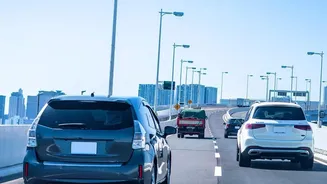
The potential applications for India's unique and challenging road environment are immense. The system can provide alerts for a wide range of scenarios common in the country, from forward collision risks and unsafe lane changes to warnings about wrong-way drivers. Consider a common highway scenario: a vehicle stalled just around a sharp bend. A V2V-equipped car would automatically broadcast a hazard warning to all approaching vehicles, giving them precious seconds to slow down and avoid a collision. It could also alert drivers to approaching emergency vehicles, helping to clear a path more efficiently. The underlying technology, Cellular Vehicle-to-Everything (C-V2X), also allows for communication with road infrastructure (V2I) and pedestrians (V2P), opening future possibilities like smart traffic signals that prioritise ambulances. With India recording a high number of road fatalities annually, this technology is seen as a proactive tool to prevent accidents rather than just mitigate their impact.
The Road Ahead: Challenges and Opportunities
Despite the clear benefits, the path to a fully connected vehicle ecosystem has its challenges. One of the biggest hurdles is the transition period. For the system to be most effective, a high density of V2V-equipped vehicles is needed on the roads. In the initial years, new cars with this tech will share the road with millions of older, non-connected vehicles, pedestrians, and animals. This means traditional sensors will remain critical. Furthermore, the cost of these onboard units (OBUs), ensuring they are secure from cyberattacks, and achieving seamless interoperability between systems from different manufacturers are significant considerations for the automotive industry. The government's phased rollout is designed to give manufacturers and the broader tech ecosystem, including software firms, time to adapt, develop, and integrate these complex systems. This mandate is a powerful catalyst for innovation in India's automotive and tech sectors, pushing them towards a future of smarter, safer, and more connected mobility.