





The Golden Rule of Ingredient Lists
In India, the Food Safety and Standards Authority of India (FSSAI) mandates that all ingredients must be listed in descending order by weight. This means the ingredient that makes up the majority of the product is always listed first. The second ingredient is the second-most
plentiful, and so on. This simple rule is your most powerful tool. If the first ingredient on a cereal box is a whole grain like 'whole wheat flour' or 'oats', that’s a good sign. But if the first or second ingredient is 'sugar' or refined flour ('maida'), then you know that the product is primarily made of those, no matter what the health claims on the front say.
Spotting Sugar in Disguise
Sugar is rarely just listed as 'sugar'. Food manufacturers use dozens of different names, making it harder to spot on a label. Be on the lookout for words ending in '-ose', such as dextrose, fructose, maltose, and sucrose, which are all forms of sugar. Other common aliases include corn syrup, high-fructose corn syrup (HFCS), agave nectar, cane juice, fruit juice concentrate, and malt syrup. If you see several of these scattered throughout the ingredient list, even if none of them are the very first ingredient, they can collectively add up to a significant amount of added sugar. The FSSAI now requires 'added sugars' to be listed in the nutrition information panel, making it easier for consumers to see exactly how much sugar has been put in during processing.
The Whole Grain Promise
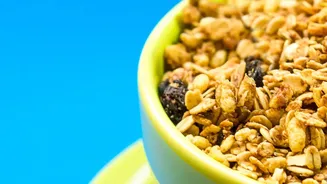
Many cereals boast about being made with 'multigrain' or 'whole grains'. But what is the difference? A whole grain contains all three parts of the grain kernel: the bran, the germ, and the endosperm. This means it's packed with fibre, vitamins, minerals, and antioxidants. Look for ingredients like 'whole wheat flour', 'whole grain oats', or 'brown rice'. Refined grains, like 'wheat flour' (maida) or 'white rice', have had the bran and germ removed, stripping away much of their nutritional value. A biscuit labelled 'multigrain' might still have maida as its first ingredient, with only a small percentage of actual whole grains added. Always check the list to see if the 'whole' part is at the top.
Looking Beyond the First Ingredient
While the first few ingredients tell most of the story, the rest of the label holds important clues too. A very long list of ingredients with chemical-sounding names can be a sign that a product is highly processed. Also check the nutrition panel for fibre content; a good breakfast cereal should provide a healthy dose of it to keep you full and aid digestion. Pay attention to the declaration of food additives, which will be listed with their class name and specific number (e.g., Preservative (INS 202)). Finally, FSSAI makes it mandatory to declare allergens like nuts, gluten, or dairy, so you can easily spot them.