





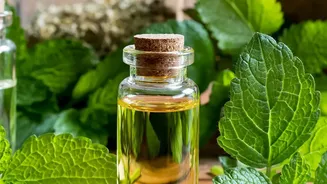
The Science Behind the Soothe
When a tension headache strikes, the appeal of a simple, natural remedy is undeniable. Peppermint has been used for centuries for its medicinal properties, and modern science helps explain why it can be effective for headache relief. The magic lies in its main
active compound: menthol. When applied topically, menthol creates a cooling sensation on the skin. This sensation acts as a 'counter-irritant', effectively distracting your brain from the underlying pain signals of the headache. Furthermore, menthol may help relax the tense muscles in the forehead and neck that often contribute to tension headaches, improving blood flow and easing discomfort. Studies have shown that topical peppermint oil can be comparable to common pain relievers for some people with tension headaches.
How to Make a Peppermint Compress
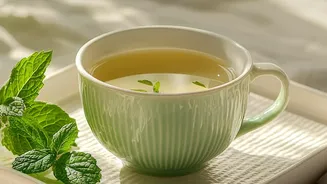
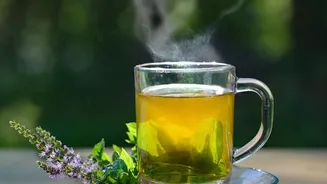
Creating a peppermint tea compress is a simple process. You don't need expensive essential oils, just high-quality peppermint tea. First, brew a strong cup of peppermint tea using two or three tea bags or a few tablespoons of loose dried leaves in boiling water. Let it steep for at least 10 minutes to ensure the beneficial compounds are fully released. The next step is crucial for safety: allow the tea to cool down significantly. You want it to be cool or lukewarm, not hot. Applying a hot compress can be uncomfortable and won't provide the cooling sensation you're after. Once cooled, soak a clean, soft cloth in the tea, wring out the excess liquid, and apply the damp cloth to your forehead, temples, or the back of your neck. Lie back and relax, leaving the compress on for 15-20 minutes.
When 'Natural' Causes Irritation
Here is the critical part of the story: while peppermint is a plant, it is not entirely harmless for everyone. The very same menthol that provides the cooling relief can also be a significant skin irritant. This is a form of irritant contact dermatitis, where a substance directly causes a reaction on the skin. Symptoms can include redness, itching, a burning sensation, or even small blisters in sensitive individuals. It's important to distinguish this from an allergy. An irritant reaction can happen to almost anyone if the substance is too concentrated or left on the skin for too long. However, a true peppermint or menthol allergy is also possible, which involves the immune system and can cause more severe reactions.
The Patch Test Rule for All Herbal Remedies
Because you can't know how your skin will react, the 'patch test' is a non-negotiable first step before using any new herbal preparation on your face. It's a simple safety check that can save you from widespread irritation. After preparing your cooled peppermint tea, dab a small amount onto a discreet patch of skin, like your inner wrist or the crook of your elbow. Let it dry and wait for at least a few hours, though 24 hours is ideal. If you notice any redness, itching, burning, or other signs of irritation, your skin is telling you that this remedy is not for you. Do not proceed with applying a full compress to your forehead. This simple test should be standard practice for any new skincare product or home remedy, especially those containing potent plant compounds.
Who Should Be Extra Cautious?
While anyone can experience irritation, some people are at a higher risk. Individuals with a history of sensitive skin, eczema, rosacea, or other inflammatory skin conditions should be particularly careful with topical peppermint. Likewise, anyone with a known allergy to mint, menthol, or other related plants should avoid this remedy entirely. It is also generally advised not to use peppermint oil or strong peppermint preparations on the skin of infants and young children, as their skin is much more delicate and absorbent. If you have any doubts about whether a topical remedy is safe for you, especially if you have pre-existing conditions or take other medications, it's always best to consult with a healthcare professional.