





What Happened in Nepal
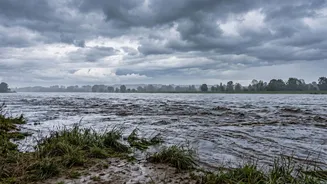
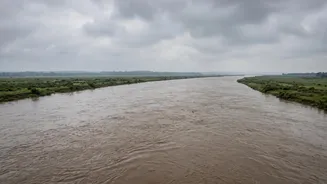
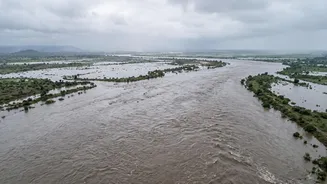
On August 26, 2026, a devastating event unfolded near the Nepal-Tibet border. A suspected glacial lake outburst flood (GLOF) or a massive glacier collapse triggered a flash flood, sending a powerful wall of water, rock, and debris down the Bhote Koshi
and Trishuli river systems. The surge was exceptionally fast, with reports of river levels rising by several metres in just half an hour, catching communities completely off guard. The destruction in Nepal has been immense, with entire settlements inundated, bridges swept away, and a tragic loss of life, leaving hundreds dead or missing.
The Downstream Threat to India
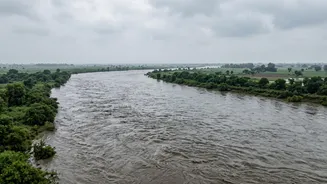
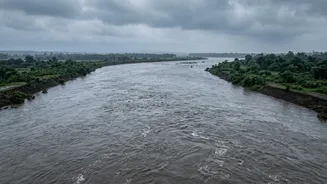
The geography of the Himalayan rivers means that a disaster in Nepal often becomes a critical concern for India. The affected river systems in Nepal all feed into the Gandak River, known as the Narayani in Nepal, which flows directly into the plains of northern India. This places dozens of districts in Bihar and Uttar Pradesh in the direct path of the downstream floodwaters. Authorities are on high alert in several districts, including West and East Champaran, Gopalganj, and Muzaffarpur in Bihar, as well as Maharajganj and Kushinagar in Uttar Pradesh. The Central Water Commission (CWC) is closely monitoring the Valmiki Nagar barrage on the Gandak river in Bihar, the first point of control for the floodwaters entering India.
A Test of India's Preparedness
In response to the imminent threat, India has activated a multi-layered preparedness strategy. The National Disaster Response Force (NDRF) has proactively deployed 20 teams across the two states: 11 in Uttar Pradesh and nine in Bihar. These highly trained teams are equipped for evacuation, rescue, and relief operations, positioning themselves in vulnerable areas before the flood surge arrives. In addition to the NDRF, state disaster response forces (SDRF) are also on standby. Local authorities have begun evacuating residents from low-lying villages along the riverbanks to safer locations. Police chowkis have been established in high-risk areas to ensure continuous monitoring and assist with the orderly movement of people.
Coordination and Early Warning
This massive mobilization is underpinned by a system of coordination between the two countries. While there have been diplomatic frictions in the past over water data, the current crisis relies on established protocols for sharing information about river flows. This data is critical for the CWC to model the flood's potential impact and issue timely warnings. Based on these advisories, state governments have been able to take preemptive measures, such as cancelling the leave of engineers and officials in the water resources department to ensure embankments are monitored around the clock. As of late August 27, the NDRF confirmed that there had been no adverse impact in Indian territory yet, but the vigil remains extremely high as the water continues its journey downstream.
India's Support for Nepal
While preparing for its own potential crisis, India has also extended support to its northern neighbour. The Indian Air Force has flown multiple sorties to deliver tonnes of humanitarian assistance and disaster relief (HADR) materials, including emergency shelters, medicines, and food packets to Nepal. Furthermore, the NDRF has kept additional teams on standby in Ghaziabad, ready to be airlifted into Nepal to assist with rescue operations as soon as an official request is made by Kathmandu. This dual approach of bolstering domestic defences while providing international aid highlights a comprehensive strategy for managing a regional disaster.