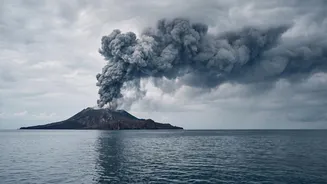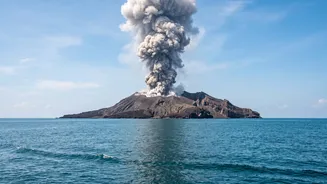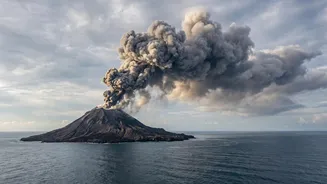






What is Happening at Anak Krakatau?
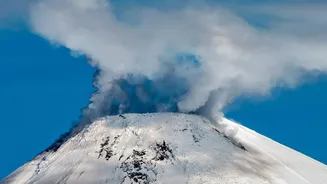
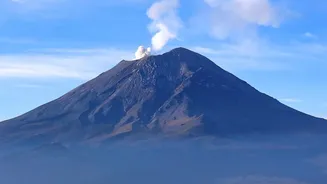
Located in the Sunda Strait between the islands of Java and Sumatra, Anak Krakatau, which translates to "Child of Krakatoa," began a series of intense eruptions starting around September 4, 2026. These events have spewed ash clouds tens of thousands of feet
into the atmosphere, reaching altitudes used by commercial airliners. Indonesian authorities have maintained a Level III alert status, the second-highest level, and established an exclusion zone around the active crater. The ash has spread over a wide area, with dust falling on the capital, Jakarta, prompting the closure of at least seven airports, including the city's main Soekarno-Hatta International Airport. The disruption has been immense, affecting over 2,300 flights and stranding more than 270,000 passengers.
Why is Volcanic Ash So Dangerous for Flights?
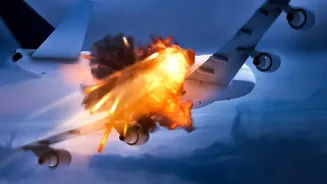
Volcanic ash is not like the soft, fluffy residue from a fire. It consists of microscopic particles of sharp, jagged rock and glass. For an aircraft, flying through an ash cloud is catastrophic. The abrasive particles act like a sandblaster, scouring cockpit windows until they become opaque and damaging the fuselage and wings. Even more critically, the ash poses an existential threat to jet engines. The inside of a modern turbofan engine operates at temperatures high enough to melt the silicate material in the ash. This molten glass then resolidifies on cooler components, such as turbine blades and fuel nozzles. The buildup chokes the engine, blocking airflow and cooling channels, which can lead to overheating, compressor stalls, and a complete loss of thrust.
How Authorities Track and Avoid the Threat
A global network is in place to protect aviation from this very danger. The world is divided into nine regions, each monitored by a Volcanic Ash Advisory Center (VAAC). The area including Indonesia is monitored by VAAC Darwin in Australia. These centers use satellite imagery, pilot reports, and complex computer models to detect, track, and forecast the movement of ash clouds. When a hazardous plume is identified, the VAAC issues advisories to air traffic control authorities and airlines. Based on this information, officials will close airspace, ground flights, and work with airlines to reroute aircraft around the danger zone, a process guided by strict safety protocols. Airlines like Singapore Airlines, AirAsia, and Garuda Indonesia have cancelled hundreds of flights based on these advisories.
The Impact on Indian Travellers and Global Routes
The shutdown of Jakarta's airport, a major international hub, creates a ripple effect that extends far beyond Indonesia. For Indian travellers, Southeast Asia is a critical transit point for flights to Australia and other destinations in the Asia-Pacific region. The cancellation of services to and from Jakarta by airlines like Singapore Airlines directly impacts passengers connecting through Changi Airport. With hundreds of flights grounded, passengers face long delays and the difficult task of rebooking. This disruption adds another layer of complexity to international travel, which is already navigating rerouting due to geopolitical tensions in other parts of the world, putting extra pressure on remaining open air corridors. While the immediate bottleneck is regional, the operational strain is felt across the interconnected global aviation network.
A Lesson from History
The extreme caution exercised by aviation authorities is rooted in experience. Perhaps the most famous modern example was the 2010 eruption of Iceland's Eyjafjallajökull volcano. The resulting ash cloud paralysed European airspace for nearly a week, leading to the cancellation of over 100,000 flights and affecting 10 million passengers. That event served as a stark reminder of the immense disruptive power of volcanic ash and reinforced the global commitment to the 'avoid-at-all-costs' policy. The current situation with Anak Krakatau, while regionally focused for now, is being managed with the lessons from that crisis firmly in mind. Passenger safety remains the absolute top priority, superseding all other commercial and logistical considerations.