






A Universal Craving
When the skies turn grey and the temperature drops, kitchens and street vendors across the country answer the call. The undisputed star of the season is the humble pakora, or bhaji. Whether it's the onion and potato pakoras of the north, the Kanda Bhaji
of Maharashtra, or the Parippu Vada of Kerala, the ritual is the same: something crisp, fried, and savoury served alongside a steaming cup of adrak chai. This craving isn't just imagined; it's a physiological response. Cooler, damp weather nudges our bodies toward warm, energy-dense foods. The combination of fat, salt, and heat in fried snacks provides a quick, satisfying comfort against the chill. It's a sensory contrast—the crunchy, dry texture of a pakora against the damp, humid air is a simple, satisfying pleasure.
The Street-Side Ritual
Beyond the pakora, the monsoon landscape is dotted with other iconic snacks. The sight of a bhutta-wallah roasting corn over hot coals is a quintessential rainy-day scene. The corn, rubbed with lemon, salt, and chilli powder, offers a smoky, tangy flavour that is synonymous with the season. This simple street food is more than just a snack; it's a social experience, enjoyed while walking with friends or taking a break from shopping. In Delhi, you might find Ram Ladoos—crispy lentil fritters topped with grated radish and chutney—while Mumbai champions the Vada Pav as its king of rainy days. Each city and region offers its own unique contribution to this nation-wide celebration of seasonal street food.
The Comfort of Home
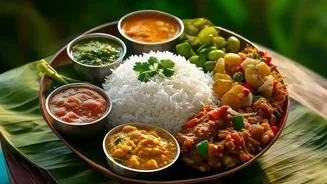
While streets buzz with fried delights, home kitchens turn to more nourishing, soulful preparations. When the rain becomes relentless, many families turn to Khichdi. This one-pot dish of rice and lentils, often served with a dollop of ghee, is the ultimate comfort food—warm, easy to digest, and deeply satisfying. In Bengal, a moong dal Khichuri paired with fried brinjal slices (Beguni) is a cherished meal. Down south, a bowl of hot, peppery Rasam serves a similar purpose, warming the body and clearing the sinuses. These meals are steeped in family tradition, with recipes passed down through generations. They represent care, warmth, and the feeling of being home while the rain pours outside.
Seasonal and Regional Wisdom
These traditions are also rooted in seasonal wisdom, much of which aligns with Ayurvedic principles for Varsha Ritucharya (the monsoon season). Traditional wisdom advises favouring warm, freshly cooked meals and avoiding raw vegetables, which are more susceptible to spoilage and contamination in humid weather. This is why steamed dishes are also popular, like the Patra of Gujarat or Pathrode in Karnataka, made from colocasia leaves which are abundant during the rains. Regional cuisines showcase an incredible diversity of monsoon-specific dishes using local produce. In Meghalaya, a smoky fish soup called Nakham Bitchi is a favourite, while Rajasthan enjoys Gatte ki Sabzi and the sweet Ghewar, a porous, disc-shaped cake. These dishes are a testament to how different cultures adapt their culinary practices to the climate and available ingredients, creating a rich tapestry of flavours across the country.