


The Core Experience: Mindful Flow vs. Rhythmic Roll
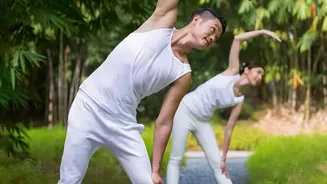
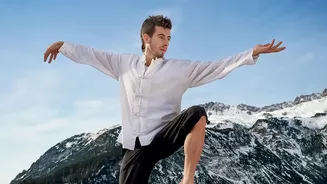
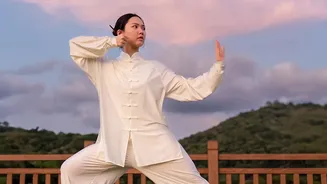
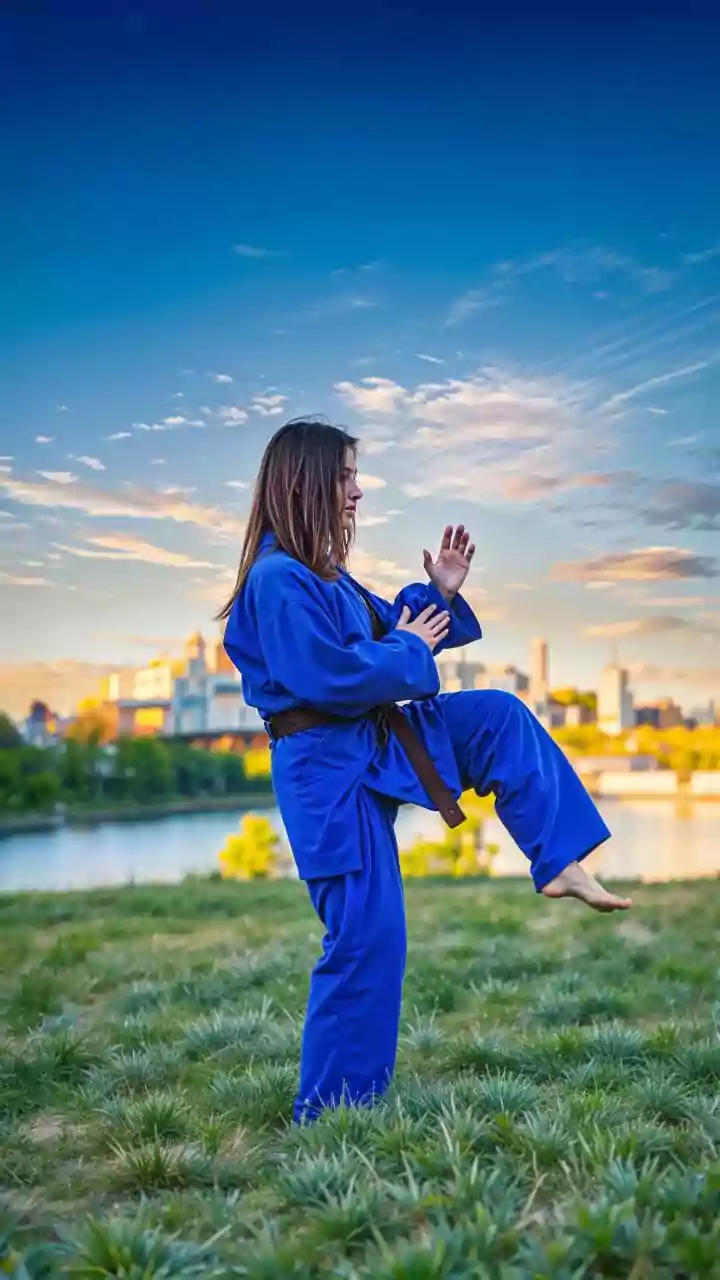
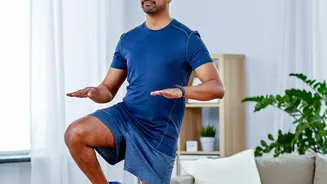
Tai Chi is often described as 'meditation in motion'. It involves slow, deliberate, and flowing sequences of movements coordinated with deep breathing. The focus is internal, promoting a strong mind-body connection, balance, and mental calm. In contrast,
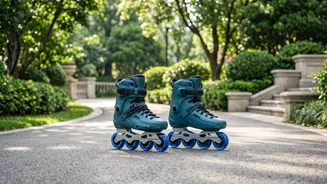
roller skating is a dynamic, high-energy activity. It’s about propulsion, momentum, and finding a rhythm, often set to music. The experience is more external and expressive, delivering a sense of freedom and fun that can make you forget you're even exercising.
Cardio and Calorie Burn
If shedding calories is a primary goal, roller skating has a clear edge. An hour of moderate roller skating can burn between 300 and 600 calories, depending on your intensity and body weight. It provides a robust aerobic workout that strengthens the heart, with heart rates reaching 140–160 beats per minute during a moderate session. Tai Chi is a much gentler form of exercise. An hour-long session typically burns around 200 to 300 calories, similar to a brisk walk. While it does offer cardiovascular benefits, especially for those who are deconditioned, it's considered a low-to-moderate intensity workout.
Strength and Balance
Both activities are exceptional for improving balance, but they achieve it in different ways. Tai Chi is renowned for its ability to enhance stability, particularly in older adults, by training your body to sense its position in space (proprioception) through slow, controlled weight shifts. It improves lower and upper body strength in a manner comparable to resistance training. Roller skating builds dynamic balance, requiring your core, abdominal, and lower-back muscles to work constantly to keep you upright while in motion. It is a full-body workout that effectively strengthens the glutes, quads, hamstrings, and core.
Impact on Joints
For those with joint concerns, this is a critical distinction. Tai Chi is a zero-impact exercise, with its gentle, circular movements that keep joints from being fully extended or bent. This makes it an ideal and safe long-term option for people with arthritis or those recovering from certain injuries. Roller skating is considered a low-impact activity. Studies have shown that skating generates less than 50% of the impact shock to joints compared to running, making it a great alternative for a cardio workout without the harsh pounding. The fluid, gliding motion is much kinder to the knees and hips.
The Mental Game
The mental health benefits of each practice are profound but different. Tai Chi is a meditative practice designed to reduce stress, lower anxiety, and improve mood by calming the mind and focusing on the present moment. Studies show it can lower levels of the stress hormone cortisol. Roller skating provides a different kind of mental boost: joy and stress relief through exhilarating movement. The combination of physical activity, music, and often a social setting releases endorphins, the body's 'feel-good' hormones, leading to an improved mood.
Cost and Accessibility
Tai Chi is one of the most accessible forms of exercise available. You can start with no equipment at all, simply wearing loose, comfortable clothing. While classes are recommended to learn proper form, many free or donation-based groups practice in public parks. Roller skating requires an initial investment in skates and protective gear (helmet, wrist guards, and pads). While you can skate for free in parks or on paved trails, access to a smooth surface is essential, and rink admission comes with a fee. The learning curve for skating can also involve a few tumbles, whereas Tai Chi is gentle from the very start.